Unveiling the Secrets Behind Keeping Your Koi Happy and Healthy
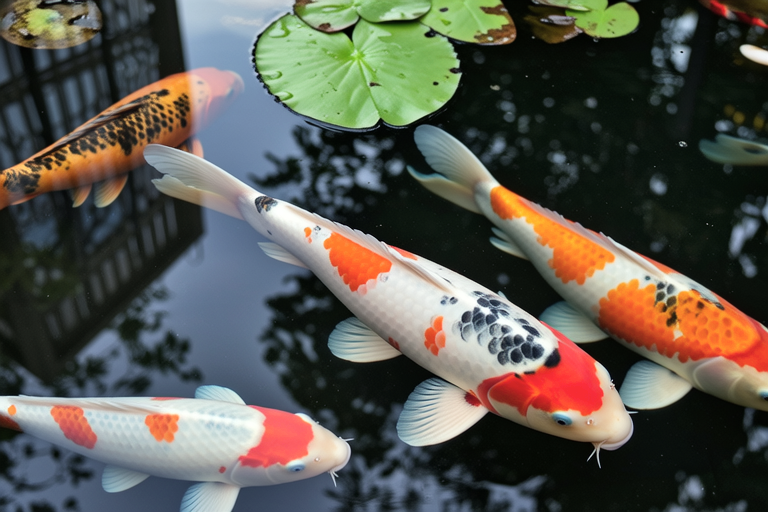
Welcome to the enchanting world of koi fish! These vibrant, colorful creatures have captivated aquarium enthusiasts and pond owners alike for centuries. Originating from Japan, koi are selectively bred varieties of common carp, known for their striking patterns and graceful movements. Their popularity has surged globally, thanks to their beauty, longevity, and the serene ambiance they bring to any setting. Whether you’re a seasoned aquarist or a novice pond owner, understanding the secrets behind keeping your koi happy and healthy is crucial.
The Basics of Optimal Water Quality
One of the most critical aspects of koi care is maintaining optimal water quality. Just like humans, koi fish thrive in environments that are clean and well-balanced. Let’s delve into the essentials: temperature, pH levels, and filtration systems.
Temperature
Koi are cold-water fish, meaning they prefer cooler temperatures ranging between 68°F and 77°F (20°C and 25°C). However, they can tolerate a broader range, from 50°F to 86°F (10°C to 30°C). Maintaining stable temperatures within this range is vital for their health and metabolism. Extreme fluctuations can stress the fish, leading to various health issues. To achieve this stability, consider using heaters during colder months and shade or coolers in hot weather.
pH Levels
Water’s acidity or alkalinity, measured as pH, greatly affects koi health. The ideal pH range for koi ponds is between 7.2 and 8.0, slightly alkaline. Regular testing and adjustments are necessary to maintain these levels. If the pH drops too low (acidic), it can cause respiratory problems and stress. Conversely, if it rises too high (alkaline), it can lead to ammonia toxicity. Using pH buffers and regular water changes help in stabilizing these levels.
Filtration Systems
An efficient filtration system is the backbone of any successful koi pond. It helps remove waste, debris, and harmful chemicals, ensuring clean water. There are three main types of filtration: mechanical, biological, and chemical. Mechanical filtration traps large particles, biological filtration breaks down ammonia and nitrite, and chemical filtration removes dissolved pollutants. A combination of these systems provides comprehensive protection for your koi. Regular cleaning and maintenance of the filters are essential to prevent clogging and ensure optimal performance.
Proper Nutrition: The Key to Koi Health
Just like us, koi need a balanced diet to stay healthy and active. Understanding the different types of food and appropriate feeding schedules is crucial.
Types of Food
Koi require a variety of nutrients, including protein, carbohydrates, fats, vitamins, and minerals. High-quality commercial koi food is available in pellets, flakes, and sticks. These foods are formulated to meet the nutritional needs of koi at different life stages. Additionally, offering supplementary foods such as freeze-dried shrimp, algae wafers, and fresh vegetables can enhance their diet. Ensure that the food is appropriate for the size and age of your koi to avoid overfeeding or undernourishment.
Feeding Schedules
Establishing a consistent feeding schedule helps regulate digestion and prevent overfeeding. Feed your koi two to four times daily, depending on the season. During warmer months when their metabolism is higher, feed them more frequently. In colder periods, reduce the frequency to avoid digestion issues. Always observe your koi’s eating habits; if they stop eating or show signs of illness, it might be time to consult a veterinarian.
Common Health Issues and Prevention
Despite your best efforts, koi may still encounter health challenges. Identifying and addressing these issues promptly is essential for their well-being.
Common Diseases
Some common diseases affecting koi include fin rot, ich, and bacterial infections. Fin rot manifests as frayed or discolored fins, while ich appears as tiny white spots on the body. Bacterial infections often result in red sores or lesions. Early detection and treatment are key to preventing the spread of these ailments. Quarantine new additions to the pond for a few weeks before introducing them to the main population. This practice helps identify and treat any potential illnesses before they infect other fish.
Prevention Strategies
To minimize the risk of disease, focus on maintaining pristine water conditions, providing a nutritious diet, and practicing good hygiene. Regularly clean the pond, remove uneaten food, and perform partial water changes to eliminate toxins. Avoid overcrowding the pond, as it increases the likelihood of stress and disease transmission. Implementing these strategies will significantly reduce the chances of health issues in your koi.
Creating a Stimulating Environment
Providing a stimulating environment is crucial for the mental and physical well-being of your koi. Incorporating plants and structures enhances their habitat and encourages natural behaviors.
Plants
Submerged and floating plants play a dual role in koi ponds. They not only add aesthetic appeal but also contribute to oxygen production and filtration. Plants like water lettuce, water hyacinth, and hornwort help absorb excess nutrients, reducing algae growth. Additionally, they provide hiding spots and breeding grounds for beneficial microorganisms. Ensure a balance between plant coverage and open water areas to allow adequate swimming space for your koi.
Structures
Adding structures such as rocks, logs, and artificial caves creates diverse habitats within the pond. These structures offer shelter, spawning sites, and resting places for koi. They also stimulate natural behaviors, such as exploring and interacting with their surroundings. Consider the size and shape of the pond when placing structures to maximize space and functionality.
Maintenance and Monitoring for Long-Term Health
Regular maintenance and monitoring are essential for ensuring the long-term health and happiness of your koi. Establishing a routine allows you to catch potential issues early and maintain optimal conditions.
Water Testing
Testing the water regularly is one of the most important aspects of koi care. Conduct tests for pH, ammonia, nitrite, and nitrate levels at least once a week. Any deviations from the ideal ranges should prompt immediate action, such as water changes or adjustments to the filtration system. Consistent monitoring ensures that your koi are always living in the best possible environment.
Pond Cleaning
Scheduling periodic cleanings helps remove accumulated debris, sludge, and harmful substances. Use a pond vacuum or skimmer to clear out leaves, algae, and other organic matter. Be cautious when handling your koi during cleaning to avoid causing stress. Regular cleaning promotes healthier water conditions and reduces the risk of disease outbreaks.
Consultation with Experts
If you’re unsure about certain aspects of koi care or notice unusual behavior in your fish, don’t hesitate to seek professional advice. Consulting with a veterinarian specializing in aquatic animals or joining local koi clubs can provide valuable insights and support. These resources offer a wealth of knowledge and experience that can help you address specific concerns and improve your koi-keeping skills.
In conclusion, keeping your koi happy and healthy requires attention to detail and a commitment to their well-being. By focusing on water quality, proper nutrition, disease prevention, and creating a stimulating environment, you can ensure your koi live long, vibrant lives. Remember, the joy of watching these beautiful creatures thrive in their pond is a reward in itself. With dedication and care, you’ll be able to enjoy the splendor of koi for many years to come.
