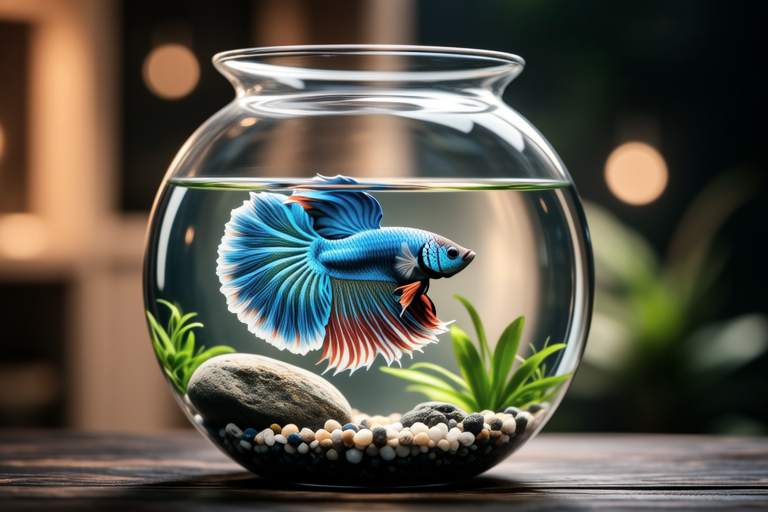
Tank Talk: Essential Tips for Happy Betta Living Spaces
Welcome to Tank Talk, your go-to guide for creating the perfect living space for your beloved betta fish! Whether you’re a first-time betta owner or a seasoned enthusiast, this comprehensive article will provide you with all the essential tips to ensure your betta lives a long, healthy, and happy life. From selecting the right tank size to understanding water conditions and choosing the best decorations, we’ve got you covered.
The Right Tank Size for Your Betta
One of the most common mistakes made by new betta owners is keeping their fish in tanks that are too small. Bettas are active swimmers and need ample space to move around comfortably. A tank that’s at least 2.5 gallons (10 liters) is ideal for a single betta. This size provides enough room for swimming and allows for proper filtration and oxygenation.
If you’re planning to add more fish to your aquarium, make sure each additional betta has at least 3 gallons (12 liters) of water. Larger tanks also make it easier to maintain stable water parameters and prevent overcrowding, which can lead to stress and health issues.
Water Conditions: The Key to a Healthy Environment
Water quality is paramount for your betta’s health. Regularly testing the water for pH, ammonia, nitrite, and nitrate levels is crucial. Bettas prefer slightly acidic water with a pH between 6.8 and 7.4. Ammonia and nitrite levels should be zero, while nitrates should remain below 20 ppm. To achieve these conditions:
- Use a high-quality water conditioner: This removes harmful chemicals like chlorine and chloramines from tap water.
- Perform regular water changes: Replace 25% of the water every week to keep toxins at bay.
- Monitor temperature: Bettas thrive in temperatures between 76°F and 82°F (24°C and 28°C). Use a heater if necessary to maintain a consistent temperature.
Filtration Systems: Keeping the Water Clean
A good filtration system is vital for maintaining clean water. Choose a filter that’s appropriate for the size of your tank. Filters help remove waste, excess food, and debris, promoting better water quality. However, avoid filters with strong currents as bettas are sensitive to strong water flow. Opt for filters with gentle flow rates or add a sponge to reduce the current if needed.
Decorations: Functionality Meets Aesthetics
While it’s tempting to fill your tank with numerous ornaments, it’s important to strike a balance between aesthetics and functionality. Decorations not only enhance the appearance of your tank but also provide hiding spots and resting places for your betta. Consider the following when selecting decor:
- Plants: Real or artificial plants offer hiding spots and mimic natural habitats. Ensure any real plants are non-toxic to fish.
- Shelters: Provide caves, castles, or other structures where your betta can retreat.
- Substrate: While not necessary, adding gravel or sand can improve the look of your tank and provide a more natural environment.
Maintaining Water Quality
To maintain water quality, follow these steps:
- Perform weekly water changes.
- Test water parameters regularly.
- Ensure the filter is functioning properly.
- Feed your betta a balanced diet and avoid overfeeding.
Suitable Tank Mates
Bettas are generally peaceful fish, but they have specific preferences when it comes to tank mates. Avoid aggressive or fin-nipping species like tiger barbs and certain tetras. Instead, opt for compatible tank mates such as:
- Ghost shrimp
- Rummy nose tetras
- Corydoras catfish
Remember, even peaceful companions may not always get along, so always observe your betta’s behavior and be prepared to separate them if necessary.
Feeding Habits: A Balanced Diet
Proper nutrition is key to your betta’s well-being. Feed your betta a varied diet that includes high-quality flakes, pellets, and occasional treats like bloodworms or brine shrimp. Feed your betta twice daily, offering only what they can consume within a few minutes. Overfeeding can lead to poor water quality and health problems.
Common Mistakes to Avoid
Even experienced aquarists can sometimes overlook critical aspects of betta care. Here are some common mistakes to avoid:
- Overcrowding: Provide enough space for each fish.
- Improper filtration: Choose a filter that matches your tank size.
- Inconsistent water changes: Maintain a regular schedule for water maintenance.
- Ignoring signs of illness: Watch for unusual behaviors or physical symptoms.
Conclusion
Creating a thriving environment for your betta fish requires attention to detail and commitment to their well-being. By providing the right tank size, maintaining optimal water conditions, selecting appropriate filtration systems, and choosing functional and aesthetically pleasing decor, you can ensure your betta leads a healthy and happy life. Remember, the more you learn about betta care, the better equipped you’ll be to meet their needs and enjoy their vibrant presence in your home.
