The Ultimate Guide to Owning a Playful and Energetic Bengal Cat
Welcome to the world of owning a Bengal cat! Known for their striking appearance and playful nature, Bengal cats can be a delightful addition to your family. This guide will provide you with all the essential information you need to understand and care for these unique felines.
Unique Characteristics of Bengal Cats
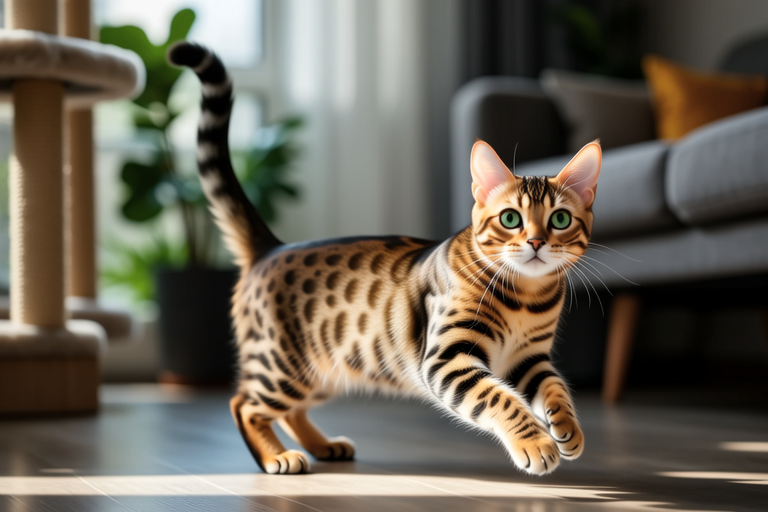
Bengal cats are a relatively new breed, developed through selective breeding between domestic cats and Asian leopard cats. Their wild appearance, combined with their friendly temperament, makes them stand out. Bengal cats have a sleek, muscular build and a coat that can range from golden to charcoal, often marked with spots or marbling. Their eyes, usually green or gold, add to their exotic allure. They are highly intelligent and curious, which can lead to some interesting behaviors, but also makes them great companions.
Dietary Needs
Bengal cats require a balanced diet rich in protein and nutrients to maintain their health and energy levels. High-quality commercial cat food, either dry or wet, formulated for adult cats is recommended. Ensure the food contains at least 30% animal-based protein. Fresh water should always be available. You can also supplement their diet with occasional treats, but avoid feeding them table scraps as they can be harmful. For optimal nutrition, consider consulting with a veterinarian who can recommend specific brands and amounts based on your cat’s age, weight, and activity level.
Exercise Requirements
Bengals are known for their high energy levels and love for play. Providing ample opportunities for physical activity is crucial to keep them healthy and happy. Interactive toys such as feather wands, laser pointers, and puzzle feeders can engage their minds and bodies. Encourage climbing by setting up cat trees and shelves. Regular play sessions can help burn off excess energy and prevent destructive behavior. Aim for at least two 15-minute play sessions daily. Remember, Bengal cats are social creatures, so playing with them can strengthen your bond.
Grooming Tips
Bengal cats have short, dense coats that require minimal grooming. However, regular brushing helps remove loose hair and prevents matting. Use a soft-bristled brush or a rubber grooming mitt to gently stroke their fur. Pay special attention to areas prone to matting, like behind the ears and under the legs. Bathing is generally unnecessary unless your cat gets into something messy. When bathing, use a mild, unscented shampoo specifically designed for cats. Always dry them thoroughly after washing to prevent skin irritation.
Training Techniques
Training Bengal cats can be both rewarding and challenging due to their intelligence and curiosity. Positive reinforcement, using treats or praise, is the most effective method. Teach basic commands like ‘sit’ and ‘stay’ through repetition and rewards. Bengals can also learn tricks such as fetching or walking on a leash. Start training early when they are kittens, as this is when they are most receptive to learning. Consistency and patience are key, as Bengals may test boundaries and require gentle guidance.
Common Health Issues
Bengal cats are generally healthy, but like all breeds, they can be prone to certain health conditions. Hypertrophic cardiomyopathy (HCM), a heart disease, is one concern. Regular veterinary check-ups can help detect and manage this condition early. Dental problems, including periodontal disease, are also common. Maintaining good oral hygiene through brushing and providing dental chews can reduce the risk. Obesity is another issue, especially if the cat doesn’t get enough exercise. Monitor your cat’s weight and adjust their diet accordingly. Early detection and treatment of these issues can significantly improve your cat’s quality of life.
Advice for Creating an Enriching Environment
Creating a stimulating environment for your Bengal cat is essential for their mental and physical well-being. Provide a variety of toys and puzzles to keep them engaged. Consider setting up a designated play area where they can explore safely. Bengals enjoy climbing, so include vertical spaces like cat trees and shelves. Ensure your home is safe by securing loose wires and covering small openings. Bengal cats are social animals, so spending quality time with them daily is important. Engage in interactive play, petting, and cuddling to strengthen your bond.
First-Time Owners and Seasoned Cat Lovers
This guide offers valuable insights for both first-time owners and experienced cat lovers. For newcomers, understanding the unique needs and behaviors of Bengal cats can help you prepare for their arrival. Seasoned cat owners might find new ideas for enriching their Bengal’s environment or improving training techniques. Regardless of your experience level, the key is to provide consistent love, care, and attention. By following these guidelines, you can ensure your Bengal cat leads a happy, healthy, and fulfilling life.
In conclusion, owning a Bengal cat is a rewarding experience. With their striking appearance, playful nature, and intelligence, they make wonderful companions. By understanding their unique characteristics, meeting their dietary and exercise needs, and creating an enriching environment, you can provide the best possible care for your Bengal cat. Whether you’re a first-time owner or a seasoned cat lover, this guide will help you navigate the joys and challenges of raising a Bengal cat.
