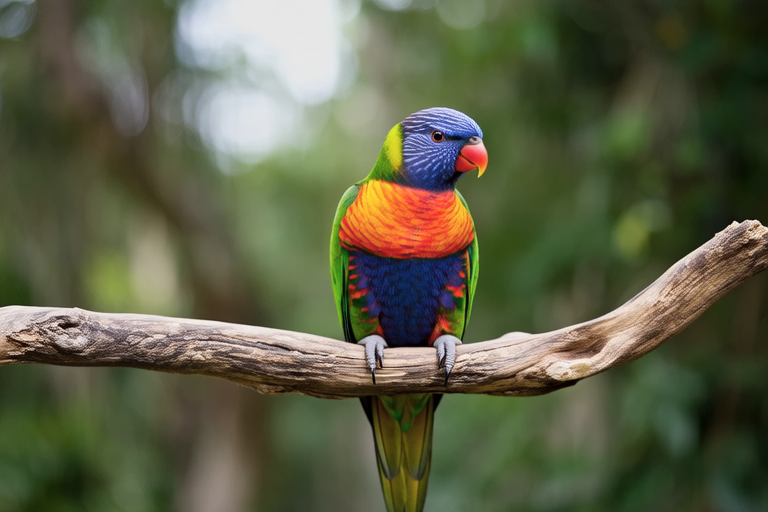
Splendid Japalure Care Guide: Tips for Happy and Healthy Birds
Welcome to your comprehensive guide on caring for Japalura geckos, also known as crested geckos. These delightful creatures have become increasingly popular among reptile enthusiasts due to their striking appearance and relatively easy care requirements. This guide will cover everything you need to know about setting up their habitat, providing them with the right diet, monitoring their health, understanding their social behavior, and creating a stress-free environment.
Setting Up the Perfect Habitat
The first step in ensuring your Japalura gecko’s happiness and health is to create an optimal living environment. The enclosure should mimic their natural habitat, which includes tropical rainforests. Here’s how you can set it up:
- Enclosure Size: A minimum of 20 gallons for one adult gecko, but larger enclosures are recommended if housing multiple geckos or for breeding purposes.
- Substrate: Use coconut fiber, cypress mulch, or paper towels. Avoid sand or small particle substrates that could cause impaction.
- Hiding Spots: Provide ample hiding spots using cork bark, half logs, or commercially available hides.
- Vines and Branches: Add climbing vines and branches for exercise and mental stimulation.
- Humidity: Maintain humidity levels between 60% and 80%. Mist the enclosure daily or use a humidifier.
- Temperature: Daytime temperatures should range from 78°F to 82°F (25°C to 28°C), dropping slightly at night to around 70°F to 75°F (21°C to 24°C).
Dietary Needs for Optimal Health
Japalura geckos are omnivorous and require a balanced diet to thrive. Their diet should consist of a mix of commercial crested gecko diets and live insects. Here’s what you need to know:
- Commercial Diets: These are convenient and nutritionally complete, containing vitamins and minerals essential for your gecko’s health.
- Insects: Feed crickets, dubia roaches, or waxworms dusted with calcium and vitamin D3 supplements twice a week. Offer only as much as they can consume in 10-15 minutes to prevent obesity.
- Fruits: Occasionally offer small pieces of fruits like papaya, mango, or banana as treats.
- Hydration: Provide a shallow water dish for drinking and misting the enclosure to ensure they stay hydrated.
Health Indicators and Monitoring
Regularly monitoring your gecko’s health is crucial for early detection of any issues. Here are some key indicators to watch for:
- Activity Levels: Geckos should be active during the evening and nighttime hours. Reduced activity could indicate illness.
- Appetite: Monitor feeding habits; a sudden loss of appetite may signal health problems.
- Eyes and Skin: Clear eyes and smooth skin are signs of good health. Cloudy eyes or flaky skin could indicate dehydration or other issues.
- Bowel Movements: Regular bowel movements indicate proper digestion. Changes in frequency or consistency might suggest dietary imbalances.
Social Behavior and Interaction
Japalura geckos are generally solitary animals, preferring to live alone. However, they can be housed together under certain conditions:
- Single Housing: Keeping a single gecko per enclosure is ideal to avoid stress and potential aggression.
- Gender Pairings: If housing two geckos, make sure they are of opposite genders and introduce them gradually to minimize stress.
- Interaction: Handle your gecko gently and infrequently to reduce stress. Always wash your hands before and after handling.
Maintaining a Stress-Free Environment
A stress-free environment is essential for the well-being of your Japalura gecko. Here are some tips:
- Consistent Routine: Keep a regular schedule for feeding, cleaning, and handling to reduce stress.
- Noise Control: Minimize loud noises and sudden movements near the enclosure.
- Safe Handling: Support the gecko’s body fully when handling and avoid sudden movements.
- Environmental Enrichment: Provide toys, climbing structures, and hiding places to keep them mentally stimulated.
Common Challenges and Solutions
Even with proper care, you may encounter some challenges. Here are solutions to common issues:
- Overheating: Ensure the temperature gradient is correct and monitor temperatures closely.
- Underweight: Increase feeding frequency or consult a veterinarian for nutritional support.
- Behavioral Issues: Address by providing more hiding spots, increasing environmental enrichment, or consulting a specialist.
Conclusion
Owning a Japalura gecko can be a rewarding experience, offering companionship and joy. By following this care guide, you can ensure your gecko lives a long, healthy, and happy life. Remember, each gecko is unique, so observe and adjust care practices accordingly. With patience and dedication, you’ll enjoy many years of bonding with your splendid Japalura gecko.
