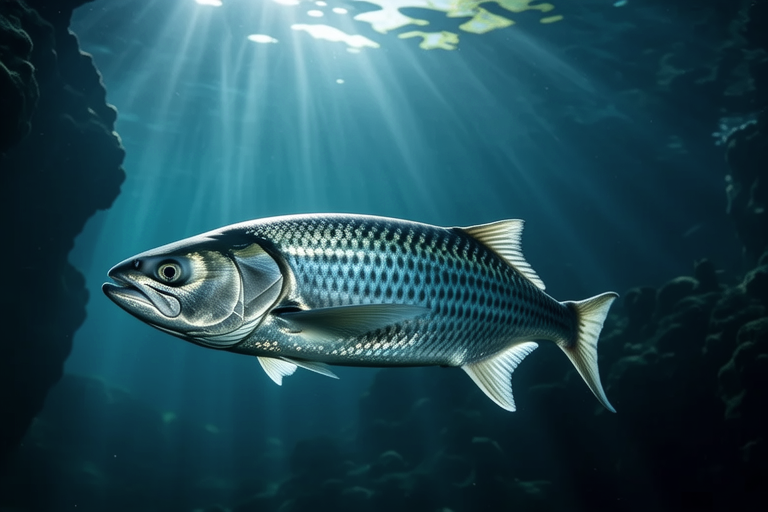
From Amazon to Aquarium: The Majestic Journey of the Arowana
The arowana, often referred to as the dragonfish, is one of the most majestic and sought-after freshwater fish species. This article will explore the journey of the arowana from its natural habitat in the Amazon to the confines of an aquarium, delving into its unique physical characteristics, behavior, and cultural significance. We will also discuss the challenges and considerations involved in keeping this species in captivity, highlighting conservation efforts and the importance of sustainable practices.
Natural Habitat in the Amazon
The arowana hails from the vast and diverse Amazon Basin, where it thrives in the warm, nutrient-rich waters of rivers and floodplains. This region, characterized by its dense rainforests and complex ecosystem, provides an ideal environment for these remarkable creatures. The Amazon River, the largest river system in the world, offers the perfect setting for arowanas to hunt and thrive. They prefer areas with dense vegetation, submerged roots, and branches that offer cover and hunting grounds.
In their natural habitat, arowanas are apex predators, feeding on insects, smaller fish, and even small birds and bats that they catch mid-flight. Their ability to leap out of the water to capture prey is one of their most fascinating behaviors. The Amazon’s rich biodiversity supports a variety of food sources, ensuring that these fish have ample sustenance throughout their lives.
Unique Physical Characteristics
Arowanas are known for their elongated bodies, which can reach lengths of up to three feet. They possess large, powerful pectoral fins that allow them to maneuver with precision and grace. One of the most striking features of the arowana is its mouth, equipped with sharp teeth designed for catching and holding onto prey. These fish have excellent eyesight, enabling them to spot potential meals even in low-light conditions.
Another unique characteristic of the arowana is its ability to breathe air. This adaptation allows them to survive in oxygen-depleted waters, a common occurrence in the Amazon during the dry season. The labyrinth organ, located near the gills, enables the fish to extract oxygen directly from the air, ensuring their survival in challenging environments.
Behavior and Cultural Significance
Arowanas are known for their territorial nature and aggressive behavior, especially towards other fish. In the wild, they establish and defend their territories with great vigor, often engaging in fierce battles with intruders. This behavior is also observed in captivity, making it important for aquarists to provide ample space and hiding spots to reduce stress and aggression.
Culturally, the arowana holds significant importance in many Asian countries, particularly in China, Malaysia, and Singapore. It is considered a symbol of good luck and prosperity, often featured in art, literature, and folklore. In Chinese culture, the arowana is associated with the dragon, a mythical creature revered for its strength and wisdom. As a result, owning an arowana is seen as a status symbol and a way to bring positive energy into one’s home.
Challenges and Considerations in Captivity
Keeping an arowana in an aquarium requires careful planning and attention to detail. The first consideration is the size of the tank, which must be large enough to accommodate the fish’s adult size and swimming patterns. A minimum tank size of 75 gallons is recommended for a single arowana, but larger tanks are preferable to provide more space for swimming and reducing stress.
Water conditions are another critical factor in maintaining a healthy arowana. The fish require clean, well-oxygenated water with a pH level between 6.0 and 7.5 and a temperature range of 78-84°F. Regular water changes and efficient filtration systems are essential to ensure optimal water quality. Additionally, arowanas are sensitive to sudden changes in water parameters, so gradual adjustments should be made when necessary.
Diet is another crucial aspect of arowana care. In the wild, arowanas are carnivorous, feeding on a variety of live foods such as insects, fish, and small mammals. In captivity, they can be fed a diet of high-quality pellets, frozen or live foods, and occasionally feeder fish. It is important to provide a varied diet to ensure proper nutrition and overall health. Feeding schedules should be consistent, with two to three feedings per week.
Conservation Efforts and Sustainable Practices
The demand for arowanas in the aquarium trade has led to overfishing and habitat destruction in their native regions. To address these issues, several conservation efforts have been implemented. Many countries have established regulations and quotas to control the number of arowanas that can be legally exported. Additionally, captive breeding programs have been developed to reduce pressure on wild populations and promote sustainable practices.
For those interested in owning an arowana, it is essential to research and choose reputable breeders who adhere to ethical and sustainable practices. Supporting captive-bred specimens helps ensure the long-term survival of the species while minimizing environmental impact. It is also important to educate oneself on the specific needs and care requirements of arowanas to provide them with the best possible living conditions.
Conclusion
The journey of the arowana from the Amazon to the aquarium is a testament to the beauty and complexity of nature. With their unique physical characteristics, fascinating behavior, and cultural significance, these fish captivate both enthusiasts and newcomers alike. However, keeping an arowana in captivity requires careful consideration and commitment to providing the right environment and care. By supporting conservation efforts and practicing sustainable ownership, we can help ensure the continued survival and well-being of these magnificent creatures.
