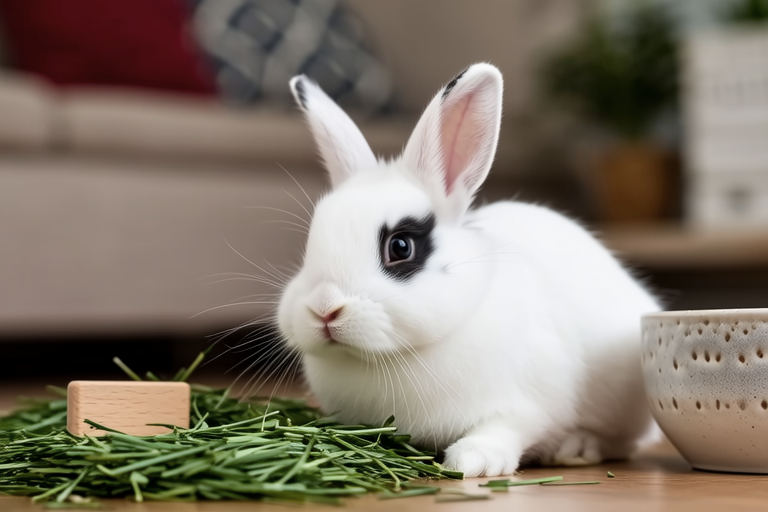
Caring for Dutch Dwarf Bunnies: A Comprehensive Guide
Welcome to your guide on how to care for Dutch Dwarf bunnies! These adorable, small-sized rabbits are popular pets due to their compact size and playful nature. This guide will walk you through everything from feeding them properly to ensuring they get enough exercise. Let’s dive right in!
Proper Diet for Dutch Dwarf Bunnies
Dutch Dwarfs require a balanced diet to maintain good health. Their diet should consist mainly of hay, which helps with digestion and keeps their teeth healthy. Fresh water should always be available.
- Hay: Timothy hay is ideal as it provides essential nutrients without excessive calcium. Alfalfa hay can be given occasionally but should not form the main part of the diet due to its high calcium content.
- Vegetables: Offer a variety of fresh vegetables daily. Carrots, broccoli, and spinach are good choices. Avoid feeding them too many root vegetables or those high in sugar.
- Fruits: Fruits can be offered sparingly as treats. They are high in sugar and should only make up about 10% of their diet.
- Commercial Feed: Choose a high-quality rabbit food that is appropriate for dwarf breeds. Look for pellets that are low in fat and protein.
Remember, sudden changes in diet can upset their digestive system, so introduce new foods gradually.
Housing Requirements
Dutch Dwarfs need safe, comfortable living spaces where they can feel secure. Here’s what you need to know about their housing:
- Size: While small, they still need ample space. The cage should be at least 4 square feet per bunny, allowing room for movement.
- Bedding: Use absorbent bedding like paper-based products or wood shavings. Avoid cedar and pine shavings as they can irritate respiratory systems.
- Shelter: Provide a cozy hideaway where they can retreat. Cardboard boxes with holes cut out work well.
- Temperature: Maintain a stable temperature between 60-70°F (15-21°C). Avoid direct sunlight and drafts.
Regular cleaning of the cage is crucial to prevent illness. Remove soiled bedding daily and thoroughly clean the entire cage weekly.
Exercise Needs
Dutch Dwarfs are active and need plenty of opportunities to move around. In addition to their cage, provide a safe area for them to explore outside.
- Playtime: Allow at least an hour of supervised playtime each day. Use toys designed for rabbits to keep them entertained.
- Safe Environment: Ensure any play areas are free from hazards. Remove electrical cords and secure any potential escape routes.
- Exercise Equipment: Consider purchasing tunnels, chew toys, and other enrichment items. These help stimulate their minds and bodies.
Exercise is vital for their physical and mental well-being. Regular activity helps prevent obesity and keeps them happy.
Grooming Tips
Grooming is important to keep your Dutch Dwarf looking and feeling great. Here’s how to care for their coat:
- Bathing: Bathe them infrequently; once every few months is sufficient. Use a mild shampoo specifically formulated for rabbits.
- Brushing: Brush their fur regularly to remove loose hair and prevent matting. This is especially important during shedding seasons.
- Nail Trimming: Trim their nails every few weeks if they don’t wear them down naturally. Use clippers designed for small animals.
- Tooth Care: Check their teeth regularly for signs of overgrowth. Overgrown teeth can cause discomfort and eating difficulties.
Regular grooming sessions also provide bonding time and allow you to monitor their overall health.
Health Care Basics
Keeping your Dutch Dwarf healthy involves regular check-ups and being aware of potential issues.
- Veterinary Visits: Schedule annual visits with a veterinarian who specializes in exotic pets. Early detection of problems is key.
- Vaccinations: Rabbits typically don’t require vaccinations, but consult your vet regarding local regulations.
- Parasite Control: Check for fleas and ticks regularly. Use flea treatments specifically made for rabbits.
- Common Health Issues: Watch for signs of illness such as lethargy, loss of appetite, or runny nose. Seek veterinary attention promptly if you notice any symptoms.
Healthy habits like a balanced diet, regular exercise, and proper hygiene contribute to longevity.
Socialization Techniques
Dutch Dwarfs thrive on interaction and enjoy forming bonds with their owners.
- Handling: Start handling them gently from a young age. Hold them securely but not too tightly.
- Play: Spend quality time playing together. This strengthens your bond and keeps them mentally stimulated.
- Training: Train them using positive reinforcement methods. Reward good behavior with treats or praise.
- Interaction: Encourage gentle interactions with family members. This helps them become sociable and confident.
A well-socialized rabbit is happier and more enjoyable to have around.
Common Mistakes to Avoid
Here are some common pitfalls to watch out for:
- Overfeeding: Resist the temptation to give them too many treats. Stick to a balanced diet.
- Poor Housing: Don’t skimp on the size or quality of their living space. They need adequate room to move.
- Lack of Exercise: Ensure they get enough physical activity. Limiting their movement can lead to health issues.
- Inadequate Grooming: Neglecting grooming can result in matted fur and dental problems. Make it a routine task.
Avoiding these mistakes will help ensure your Dutch Dwarf lives a long, healthy life.
