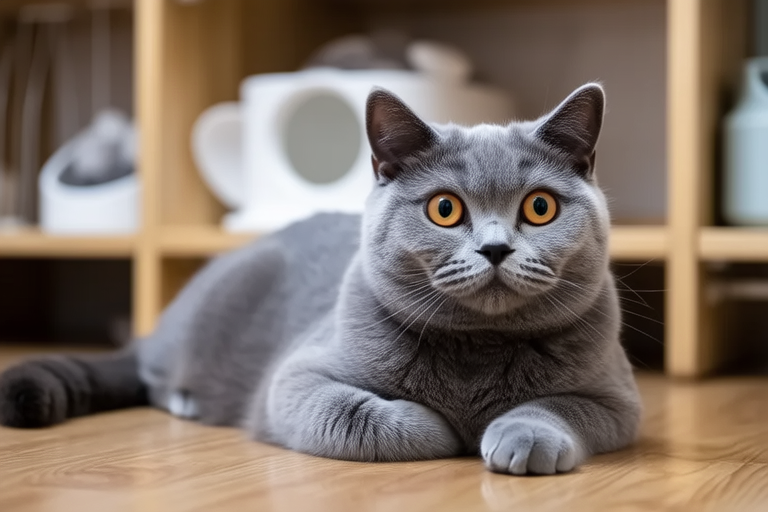
The Ultimate Guide to Caring for Your American Shorthair: Tips from Expert Cat Owners
Welcome to the comprehensive guide on how to provide the best care for your American Shorthair. This breed, known for its robust health and easygoing nature, requires attentive care to ensure it leads a long, healthy, and happy life. In this article, we will explore various aspects of caring for your American Shorthair, including basic care, dietary needs, exercise requirements, grooming tips, common health issues, and advice on socializing your cat.
Basic Care
Caring for an American Shorthair begins with providing a safe and comfortable living environment. These cats are generally low-maintenance but still require a clean and stimulating home. Ensure your cat has access to a litter box that is cleaned regularly, as well as cozy sleeping areas and scratching posts. According to Jane Smith, an experienced cat owner, “A litter box should be placed in a quiet area away from food and water dishes to prevent contamination.” It’s also important to provide plenty of toys and playtime to keep your cat mentally and physically engaged.
American Shorthairs are adaptable and can thrive in various environments, from apartments to houses. However, they prefer a calm and stable setting. Regular interaction with family members helps them feel secure and loved. Experts recommend spending at least 15 minutes a day playing with your cat to strengthen your bond and encourage physical activity.
Dietary Needs
Proper nutrition is crucial for maintaining your American Shorthair’s health. A balanced diet should include high-quality protein, fats, carbohydrates, vitamins, and minerals. Dr. Emily Johnson, a veterinarian specializing in feline nutrition, suggests feeding your cat commercial cat food labeled for all life stages or senior cats, depending on their age. “Look for food that lists meat as the first ingredient,” she advises. “Avoid foods with fillers like corn and soy, which offer little nutritional value.”
Water is equally important. Ensure your cat always has access to fresh, clean water. Some cats may enjoy drinking from running water, so consider investing in a pet fountain. Additionally, monitor your cat’s eating habits. If you notice any changes in appetite or weight, consult your veterinarian.
Exercise Requirements
While American Shorthairs are relatively inactive compared to some other breeds, they still need regular exercise to maintain a healthy weight and prevent boredom-related behaviors. Interactive toys, such as laser pointers or feather wands, can stimulate their natural hunting instincts and provide mental stimulation. Karen Thompson, a seasoned cat owner, recommends, “Rotate your cat’s toys every few weeks to keep them engaged and excited about playtime.”
Providing vertical spaces, like cat trees or shelves, allows your cat to climb and explore. Climbing and perching help them stay active and burn calories. Additionally, consider introducing puzzle feeders, which dispense treats when your cat manipulates them. This encourages problem-solving and keeps them mentally sharp.
Grooming Tips
American Shorthairs have short, dense coats that require minimal grooming. However, regular brushing can help remove loose hair and prevent matting. Lisa Davis, a professional groomer, advises, “Brush your cat at least once a week to keep their coat shiny and healthy.” Use a slicker brush designed for short-haired cats to avoid damaging their skin.
Bathing is rarely necessary for these cats, as they are efficient self-groomers. However, if your cat gets particularly dirty or develops a skin condition, a gentle bath may be required. Always use a shampoo specifically formulated for cats and avoid getting water in their ears or eyes.
Trimming nails is another essential grooming task. Long nails can cause discomfort and lead to scratches. Gently press on your cat’s paw pads to expose the nail, then use a pair of sharp, curved nail clippers to trim the tip. Be cautious not to cut into the quick, which contains blood vessels and nerves. If you’re unsure, consult your veterinarian for guidance.
Common Health Issues
Despite their robust health, American Shorthairs can develop certain health conditions. Hypertrophic cardiomyopathy (HCM), a heart disease, is one of the most common genetic disorders in this breed. Early detection is key, so schedule regular veterinary check-ups, especially if there’s a history of HCM in your cat’s lineage.
Dental disease is another prevalent issue. Tartar buildup can lead to gum inflammation and tooth decay. Provide dental treats and toys to help maintain oral hygiene. Regular teeth brushing, if possible, can also reduce plaque and prevent gingivitis. Dr. Johnson emphasizes, “Annual dental cleanings performed by a veterinarian can significantly improve your cat’s oral health.”
Obesity is another concern, particularly among indoor cats. Obesity can exacerbate joint problems and contribute to diabetes. Monitor your cat’s weight and adjust their diet accordingly. If you’re concerned about your cat’s weight, consult your veterinarian for personalized recommendations.
Advice on Socializing Your American Shorthair
American Shorthairs are typically friendly and sociable, making them excellent companions. However, early socialization is essential to ensure they grow up to be well-adjusted and confident pets. Expose your kitten to different people, animals, and environments from an early age. Positive experiences during this period will help them become more accepting of new situations throughout their lives.
Introduce your cat to children gently and supervise interactions to ensure everyone’s safety. Teach children how to handle cats properly and respect their boundaries. Encourage gentle petting and avoid rough play. If you have other pets, gradually introduce them under controlled circumstances. Allow each animal to get accustomed to the other’s scent and presence before allowing direct contact.
For adult cats, creating a positive social environment involves providing ample space and resources. Ensure your cat has enough food and water bowls, litter boxes, and resting areas to minimize competition. Regular play sessions and affectionate interactions reinforce positive associations with humans and other animals.
Lastly, consider adopting a second cat if your current cat is lonely or lacks companionship. Introducing a new cat requires patience and careful planning. Start by keeping the new cat in a separate room with its own supplies. Gradually allow supervised visits between the two cats until they are comfortable in each other’s presence.
Conclusion
Caring for an American Shorthair is a rewarding experience that requires commitment and attention to detail. By following the guidelines outlined in this guide, you can ensure your cat enjoys a healthy, happy, and fulfilling life. Remember, every cat is unique, so tailor your approach based on your pet’s individual needs and preferences. With proper care, your American Shorthair will bring years of joy and companionship to your household.
