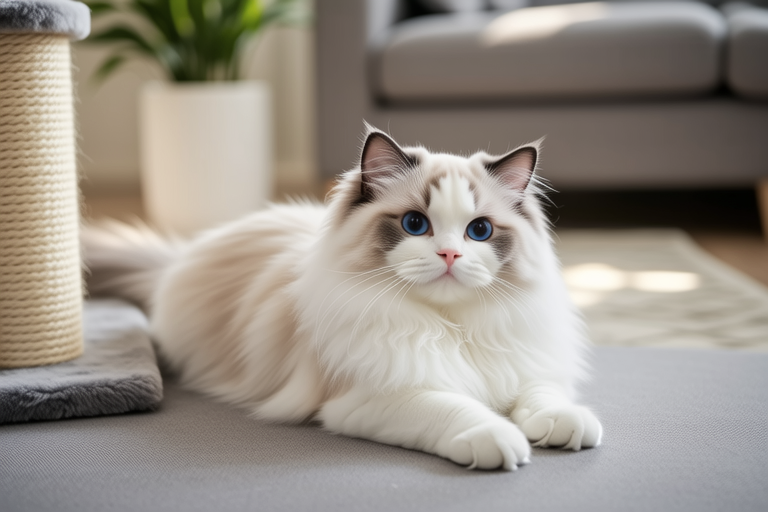
How to Create the Perfect Home Environment for Your Persian Feline Friend
Introduction
Welcome to the world of Persian cats! These regal, long-haired felines are known for their gentle nature, striking beauty, and unique needs. Creating the perfect home environment for your Persian friend involves understanding their specific requirements for comfort, health, and stimulation. This guide will walk you through the essentials, from furniture and decorations to optimal temperature and humidity levels, ensuring your Persian cat thrives in its new home.
Essential Furniture and Decorations
Persian cats are sensitive creatures, and their living space should reflect this. Start by choosing soft, plush bedding that matches their luxurious coats. Opt for memory foam beds or orthopedic cushions to provide comfort and support for their joints. Persian cats love to lounge and rest, so consider adding a few cozy nooks with blankets and cushions in various rooms.
In terms of decorations, avoid sharp corners and opt for rounded edges. Persian cats have delicate faces and can be prone to injuries if they bump into hard surfaces. Additionally, ensure that any decorative items, such as plants or ornaments, are cat-safe and non-toxic.
Invest in scratching posts made from sisal or carpet, which provide an outlet for your cat’s natural scratching behavior. Position these in areas where your cat spends most of its time, like near windows or in the living room. Scratching posts help maintain your cat’s claws and prevent damage to your furniture.
Optimal Temperature and Humidity Levels
Persian cats thrive in environments with controlled temperatures and humidity. The ideal indoor temperature for Persian cats is between 68°F and 75°F (20°C to 24°C). Avoid placing them in areas where they might be exposed to drafts or extreme temperatures. Use air conditioning during hot summer days and heating during cold winter months to keep your Persian comfortable.
Maintaining proper humidity levels is equally important. Persian cats are susceptible to respiratory issues, so it’s best to keep the humidity between 30% and 50%. If your home tends to be dry, consider using a humidifier to add moisture to the air. Conversely, if your home is too humid, use a dehumidifier to reduce excess moisture.
Grooming Spaces
Persian cats require regular grooming due to their long, dense fur. Set up a dedicated grooming area with a comfortable grooming table, brushes, and combs. Choose brushes specifically designed for long-haired cats, such as slicker brushes and wide-toothed combs, to prevent matting and tangles.
Establish a routine for brushing your cat at least three times a week. Regular grooming not only keeps their coat healthy but also strengthens the bond between you and your pet. Additionally, it allows you to check for any skin issues or parasites early on.
Dietary Considerations
Feeding your Persian cat a balanced diet is crucial for maintaining their health and longevity. High-quality, protein-rich cat food formulated for long-haired breeds is recommended. Look for foods that are low in fillers and high in essential nutrients like omega-3 fatty acids, which promote a healthy coat and skin.
Avoid overfeeding, as Persian cats can become overweight easily. Monitor your cat’s weight and adjust portion sizes accordingly. Consult your veterinarian for personalized dietary recommendations based on your cat’s age, activity level, and overall health.
Play Areas
Persian cats are generally more sedentary than other breeds, but they still need mental and physical stimulation. Create designated play areas with interactive toys that encourage movement and problem-solving. Puzzle feeders, feather wands, and laser pointers are excellent choices. Rotate toys regularly to keep your cat engaged and prevent boredom.
Consider setting up perches near windows where your cat can watch birds and other outdoor activities. Providing a bird feeder outside the window can further enhance their enjoyment. However, ensure that these perches are stable and secure to prevent accidents.
Safety Measures
Protect your Persian cat from household hazards by securing loose wires and covering electrical outlets. Keep toxic substances, such as cleaning products and medications, out of reach. Install baby gates to restrict access to dangerous areas, such as kitchens and bathrooms.
Ensure that your cat has access to safe, enclosed outdoor spaces if you wish to allow them outdoors. Supervise your cat closely when they are outside to protect them from potential dangers like cars and predators.
Creating a Stimulating Yet Calm Environment
Persian cats appreciate a balance between stimulation and calmness. Incorporate vertical spaces, such as cat trees and shelves, to provide climbing opportunities and elevate their vantage points. This helps them feel secure and gives them a sense of control over their surroundings.
Create quiet, secluded areas where your cat can retreat when they need some alone time. A cozy blanket in a corner or a covered bed can serve as a sanctuary. Additionally, establish a consistent daily routine to give your cat a sense of security and predictability.
Conclusion
By understanding and addressing the unique needs of Persian cats, you can create a home environment that promotes their health, happiness, and well-being. From selecting appropriate furniture and decorations to maintaining optimal temperature and humidity levels, each aspect contributes to a harmonious living space. With proper care and attention, your Persian feline friend will lead a fulfilling and joyful life.
