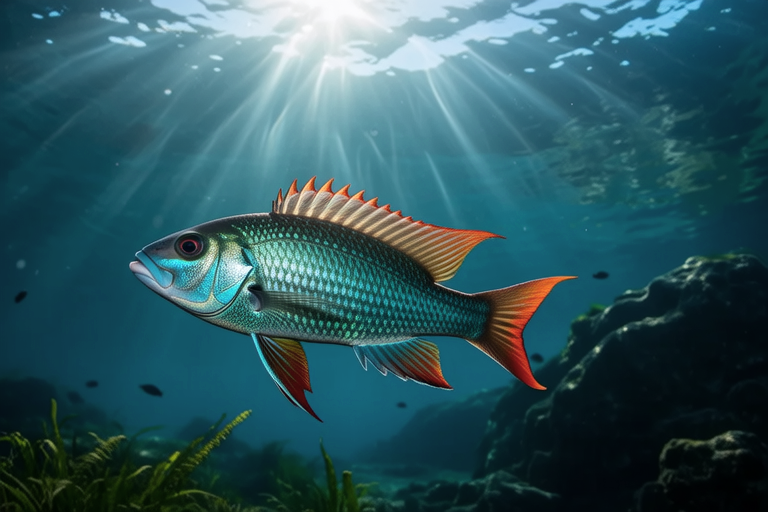
Surviving the Stakes: Mastering the Challenges of Owning a Rajah Cichlid
The Rajah Cichlid, also known as Aequidens rivulatus, is a captivating yet challenging fish to own. This South American cichlid is renowned for its vibrant colors and striking patterns. However, it comes with unique care requirements that make it a demanding pet for even experienced aquarists. This article will guide you through the ins and outs of owning a Rajah Cichlid, offering detailed insights into its care requirements, behavioral traits, dietary needs, and common health issues. We’ll also provide tips on setting up the perfect aquarium environment, choosing compatible tank mates, and managing their aggressive tendencies.
Setting Up the Perfect Aquarium Environment
Rajah Cichlids require a spacious tank to thrive. A minimum of 75 gallons is recommended for a single adult, and additional space is necessary if housing multiple fish or adding tank mates. The tank should be equipped with robust filtration systems to maintain water quality and ensure proper oxygenation. A powerful external filter is essential, as these fish produce significant waste.
Substrate choice is crucial. Fine gravel or sand is preferable, as larger substrates can cause injuries during territorial disputes. Decorations such as caves, driftwood, and rocks should be provided to mimic the natural habitat and offer hiding spots. Live plants like Java Fern and Amazon Sword can enhance the environment and improve water quality. Ensure that any decorations are securely anchored to prevent them from being moved or damaged during aggressive behavior.
Dietary Needs
Rajah Cichlids are omnivorous, feeding on both plant matter and small animals. In the wild, they consume insects, crustaceans, and algae. In captivity, a balanced diet is vital for their health and longevity. High-quality flake foods, pellets, and frozen or live foods like bloodworms, brine shrimp, and daphnia should be offered regularly. Vegetables such as zucchini, peas, and spinach can also be included to provide essential nutrients.
Variety is key when feeding Rajah Cichlids. Avoid overfeeding, as excess food can lead to water pollution and health issues. Feed them twice daily, offering enough food that they can consume within five minutes. Regularly monitor their body condition and adjust feeding amounts accordingly.
Behavioral Traits and Aggressive Tendencies
Rajah Cichlids are known for their territorial nature and aggressive behavior. They establish dominance hierarchies within the tank, which can lead to conflicts, especially during breeding periods. Males often display intense aggression towards other males and even females, making it crucial to provide ample space and hiding spots.
To manage their aggressive tendencies, it’s advisable to house only one male per tank or provide numerous hiding spots to reduce stress. Introducing tank mates gradually and observing their interactions can help identify potential conflicts early. If aggression becomes severe, consider separating the fish or rehoming one of them.
Compatible Tank Mates
Selecting compatible tank mates for Rajah Cichlids requires careful consideration. Due to their aggressive nature, it’s best to avoid keeping them with smaller or more docile species that could become prey. Suitable tank mates include robust, semi-aggressive cichlids like Jack Dempseys or Convicts, as well as larger, peaceful species like Oscar Fish or Silver Dollars.
When introducing new fish, observe their interactions closely. If signs of aggression persist, consider removing the incompatible fish to prevent injury or stress. Remember, the goal is to create a harmonious tank where all inhabitants can coexist peacefully.
Common Health Issues
Rajah Cichlids are generally hardy fish, but they can still fall victim to various health issues if not cared for properly. Common ailments include bacterial infections, fungal growths, and parasitic infestations. Regular water changes, maintaining optimal water parameters, and providing a balanced diet can help prevent these problems.
If you notice unusual behavior, such as lethargy, loss of appetite, or visible lesions, consult a veterinarian specializing in exotic pets. Early diagnosis and treatment are crucial for successful recovery. Quarantine new additions to the tank to prevent the introduction of diseases and parasites.
Water Quality and Maintenance
Maintaining excellent water quality is paramount for the health and well-being of Rajah Cichlids. Regular water changes of 20-30% every week are recommended to remove toxins and maintain stable conditions. Use a high-quality water conditioner to neutralize chlorine and chloramines found in tap water.
Monitor water parameters such as pH, ammonia, nitrite, and nitrate levels regularly. Aim for a pH range between 6.0 and 7.0, with ammonia and nitrite levels at zero and nitrate below 20 ppm. Proper filtration, aeration, and biological media are essential for maintaining these parameters.
Conclusion
Owning a Rajah Cichlid presents unique challenges, but with the right knowledge and care, it can be a highly rewarding experience. By understanding their specific care requirements, behavioral traits, dietary needs, and common health issues, you can provide a thriving environment for these magnificent fish. With patience, dedication, and attention to detail, you’ll enjoy the beauty and complexity of caring for a Rajah Cichlid.
