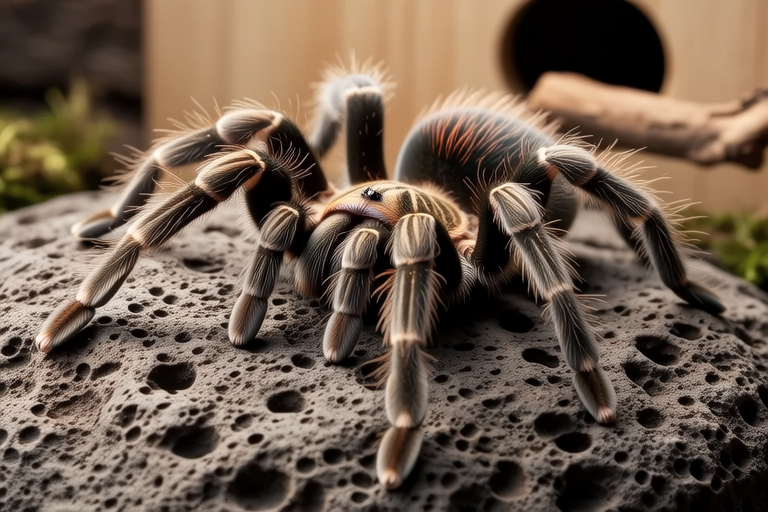
The Growing Trend of Tarantula Ownership: A Unique Pet Choice
With the increasing popularity of unconventional pets, tarantulas have emerged as an intriguing choice among pet enthusiasts. These arachnids offer a fascinating blend of low maintenance, captivating behaviors, and a wide variety of species to choose from. Despite common misconceptions, tarantulas can make rewarding companions for those willing to take on the responsibility of caring for them. This article explores the reasons behind the growing trend of tarantula ownership, shedding light on their unique characteristics and the responsibilities involved.
Low-Maintenance Nature
One of the primary reasons for the growing trend of tarantula ownership is their relatively low-maintenance nature. Unlike dogs or cats, tarantulas do not require daily walks, feeding, or grooming. They are solitary animals, meaning they do not need constant attention or social interaction. Their enclosure requires minimal cleaning, usually once every few weeks, and their diet consists mainly of live insects like crickets and mealworms. Experienced tarantula owner, Sarah Thompson, emphasizes, “Tarantulas are perfect for people who want a pet but don’t have the time or energy to dedicate to high-maintenance animals.”
Fascinating Behaviors
Tarantulas exhibit a range of fascinating behaviors that captivate pet owners. Their ability to molt, or shed their exoskeleton, is one such behavior. During this process, the tarantula will remain inactive for several days while its new exoskeleton hardens. Another intriguing behavior is their method of defense. Some species, like the Mexican red-knee tarantula, have urticating hairs on their abdomen that they can flick at potential threats. When threatened, these hairs can cause irritation to the eyes and skin of predators. Additionally, tarantulas are known for their impressive hunting skills, often ambushing prey and injecting venom to immobilize it. These behaviors provide endless fascination for observers, making tarantulas an engaging pet.
Diverse Species Available
The diversity of tarantula species offers pet enthusiasts a wide array of options to choose from. With over 900 recognized species, there is a tarantula to suit every preference. Some popular choices include the Chilean rose tarantula, known for its docile temperament and ease of care; the Goliath birdeater, the largest species of tarantula, which can reach up to a foot in leg span; and the Mexican red-knee tarantula, admired for its striking coloration and calm demeanor. The availability of various species allows owners to tailor their choice based on factors such as size, temperament, and habitat requirements. John Carter, another seasoned tarantula owner, notes, “The variety of tarantulas available ensures that there’s always something new and exciting for enthusiasts to explore.”
Common Misconceptions About Tarantulas
Despite their growing popularity, many people still harbor misconceptions about tarantulas. One prevalent myth is that all tarantulas are aggressive and dangerous. In reality, most species are docile and pose little threat to humans. Their venom is typically mild, similar to a bee sting, and only a few species possess venom strong enough to cause serious harm. Another misconception is that tarantulas are dirty and carry diseases. However, with proper hygiene practices, such as regular enclosure cleaning and hand washing after handling, tarantulas can be kept clean and healthy. It’s important for potential owners to research and understand the specific needs of the tarantula species they’re interested in before making a decision.
Responsibilities Involved in Keeping Tarantulas
While tarantulas may be low-maintenance, owning one does come with certain responsibilities. Providing a suitable habitat is crucial for the well-being of your tarantula. This includes a spacious enclosure with appropriate substrate, hiding spots, and temperature and humidity control. Proper nutrition is also essential, as tarantulas have specific dietary needs. Owners must ensure their tarantulas receive a balanced diet of live insects and occasional supplements. Additionally, regular health checks and prompt veterinary care are necessary to address any potential issues. Experienced owner, Emily Davis, advises, “Taking care of a tarantula requires dedication and knowledge, but the rewards are immense.”
Tips for Beginners
For those considering tarantulas as pets, here are some tips to get started:
- Research thoroughly: Before acquiring a tarantula, spend time learning about different species, their care requirements, and potential challenges. This will help you make an informed decision and set realistic expectations.
- Choose the right species: Select a tarantula species that aligns with your lifestyle and experience level. For beginners, docile and easy-to-care-for species like the Chilean rose tarantula are recommended.
- Set up a proper habitat: Invest in a well-equipped enclosure with the appropriate substrate, hiding spots, and environmental controls. Ensure the enclosure provides a safe and comfortable environment for your tarantula.
- Handle with care: While tarantulas can be handled, it’s important to do so gently and infrequently. Always wash your hands before and after handling to maintain hygiene.
- Stay informed: Continue educating yourself about tarantula care by joining online communities, attending workshops, and consulting with experienced owners. Staying updated on advancements in tarantula husbandry will enhance your ability to provide optimal care.
The Commitment Required and Rewards of Caring for Tarantulas
Owning a tarantula requires a significant commitment, including financial investment, time, and emotional involvement. However, the rewards of caring for these unique creatures are substantial. Watching your tarantula grow, molt, and display its natural behaviors can be incredibly fulfilling. The bond between owner and pet, although subtle, can be deeply meaningful. Furthermore, the sense of accomplishment that comes with successfully caring for a tarantula is unparalleled. As experienced owner, Michael Lee, reflects, “Caring for a tarantula is a journey of discovery and growth, both for the pet and the owner.”
