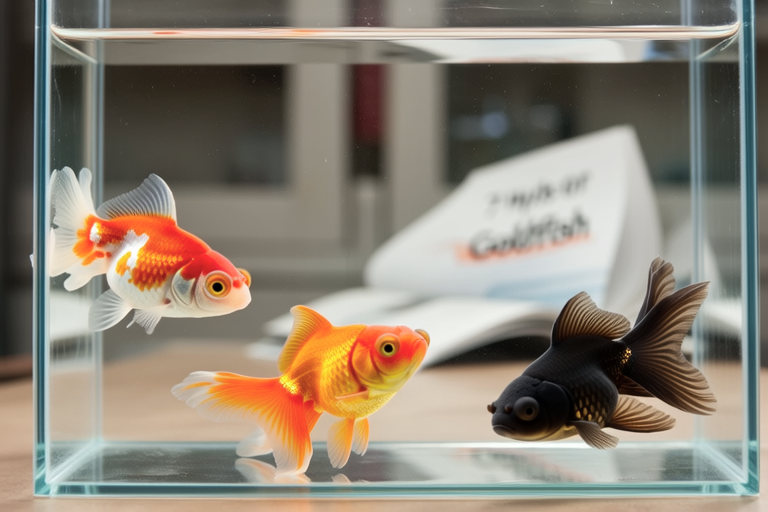
7 Myths About Goldfish You Need to Stop Believing
Goldfish are one of the most popular pets around the world. Their vibrant colors, friendly nature, and relatively low maintenance make them an attractive choice for many. However, there are several misconceptions about these delightful creatures that have persisted for years. In this article, we’ll debunk seven common myths about goldfish and provide you with scientifically backed information to help you take better care of your finned friends.
Myth 1: Goldfish Have a Memory Span of Only Three Seconds
The idea that goldfish have a short memory span of just three seconds is a widely held belief, but it’s far from the truth. Research has shown that goldfish can remember things for much longer than three seconds. They possess the ability to learn and recognize patterns, which they use to navigate their environment and find food. Studies have demonstrated that goldfish can recall the location of food sources for up to three months. This means that they can be trained to perform simple tasks and even play games. So, next time you think about feeding your goldfish, remember that they might actually remember where you last placed their food!
Myth 2: A Single Small Bowl is Appropriate for Goldfish
One of the most pervasive myths about goldfish is that they can thrive in a small bowl. Unfortunately, this couldn’t be further from the truth. Goldfish require ample space to swim and grow properly. A small bowl not only restricts their movement but also leads to poor water quality due to insufficient space for waste products to dissipate. The ideal tank size for a single goldfish is at least 20 gallons, and if you plan to keep more than one, the rule of thumb is to add another 10 gallons per additional fish. Additionally, goldfish produce a significant amount of waste, so larger tanks help maintain better water conditions. Investing in a proper aquarium setup will ensure your goldfish live longer and healthier lives.
Myth 3: Goldfish Will Eat Until They Burst
Another misconception is that goldfish will overeat if given the chance, leading to health issues such as obesity or even bursting. While it’s true that goldfish have hearty appetites, they won’t necessarily gorge themselves to death. However, overfeeding can lead to other problems like poor water quality and digestive issues. It’s important to feed your goldfish a balanced diet consisting of high-quality flakes, pellets, and occasional treats like vegetables or freeze-dried bloodworms. Feed them only what they can consume within a few minutes, and remove any uneaten food to prevent contamination. By providing appropriate portions and maintaining good water hygiene, you can keep your goldfish healthy and happy.
Myth 4: Goldfish Thrive in Any Water Temperature
Contrary to popular belief, goldfish are sensitive to changes in water temperature. They prefer temperatures between 68°F and 74°F (20°C to 23°C). Temperatures outside this range can cause stress, leading to weakened immune systems and increased susceptibility to diseases. To maintain optimal conditions, consider using a heater and thermometer in your tank. This ensures that the water stays within the desired temperature range, especially during colder months when ambient temperatures drop. Additionally, avoid sudden temperature fluctuations by acclimating new fish gradually and monitoring water parameters regularly.
Myth 5: Filtration is Not Necessary in Goldfish Tanks
Filtration is crucial for maintaining healthy water conditions in any aquarium, including those housing goldfish. Goldfish are prolific producers of waste, and without adequate filtration, ammonia and nitrite levels can quickly rise to toxic levels. A well-functioning filter helps break down harmful compounds and keeps the water clean. Choose a filter that provides sufficient flow rate based on the size of your tank and the number of fish. Regular maintenance, such as cleaning the media and replacing carbon cartridges, ensures the filter continues to perform effectively. By investing in proper filtration equipment, you create a safer environment for your goldfish and reduce the frequency of water changes.
Myth 6: Goldfish Do Not Require Companionship
While goldfish are generally solitary animals, they still benefit from having tank mates. Having companions can stimulate their natural behaviors and provide social interaction. However, it’s essential to choose compatible species that share similar environmental needs. Some suitable tank mates for goldfish include other peaceful community fish like zebra danios or cherry barbs. Avoid aggressive or fin-nipping species that could harm your goldfish. When introducing new fish, always quarantine them first to prevent the spread of diseases. Providing company for your goldfish enriches their lives and promotes overall well-being.
Myth 7: Minimal Space Requirements for Goldfish Growth
Goldfish can grow quite large, sometimes reaching lengths of 10 inches or more. Therefore, providing adequate space for growth is vital. Insufficient space can stunt their growth and lead to deformities. As mentioned earlier, a minimum tank size of 20 gallons is recommended for a single goldfish, and adding 10 gallons per additional fish. Besides size, the shape of the tank matters too. Long, rectangular tanks allow for more swimming room compared to shorter, wider ones. Ensure that the tank has enough open areas for swimming and hiding spots to mimic their natural habitat. Properly sized and shaped habitats contribute significantly to the longevity and health of your goldfish.
Tips for Proper Goldfish Care Based on Accurate Information
- Feed Them Wisely: Provide a balanced diet and feed only what they can eat in a few minutes. Remove any leftover food promptly to maintain water quality.
- Maintain Clean Water: Invest in a good filtration system and perform regular water changes to keep ammonia and nitrite levels low.
- Monitor Temperature: Use a heater and thermometer to keep the water temperature within the recommended range of 68°F to 74°F (20°C to 23°C).
- Provide Suitable Tank Size: Ensure each goldfish has at least 20 gallons of water, and add another 10 gallons for each additional fish.
- Choose Compatible Tank Mates: Introduce peaceful species that share similar environmental needs to provide companionship.
- Stimulate Natural Behaviors: Include plants, rocks, and caves to create hiding spots and encourage exploration.
By understanding and addressing these common myths, you can provide your goldfish with the best possible care. Remember, a well-informed owner is key to ensuring the health and happiness of your aquatic companions. With proper attention and love, your goldfish will thrive in their new home.
