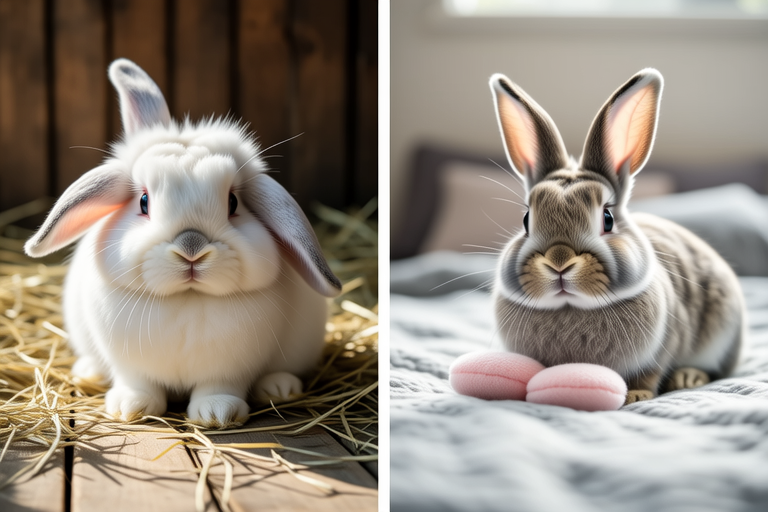
From Barnyards to Bedrooms: A Journey with Dutch Dwarf Rabbits
Dutch Dwarf rabbits have captured the hearts of many pet enthusiasts with their charming appearance and gentle demeanor. Originally bred in the barnyards of the Netherlands, these small rabbits have undergone a remarkable transformation, transitioning from agricultural helpers to beloved companions in modern homes. This article delves into the fascinating history, unique traits, and essential care tips for Dutch Dwarf rabbits, offering insights for both new and experienced owners.
The Origin and Evolution of Dutch Dwarf Rabbits
The story of Dutch Dwarf rabbits begins in the Netherlands, where they were initially bred as working animals in farm settings. Their small size made them ideal for living in confined spaces, such as barns, and their docile nature suited them well for handling. Over time, Dutch breeders refined the breed’s characteristics, focusing on their distinctive markings and compact build. By the mid-20th century, Dutch Dwarfs began to gain popularity as pets, making the leap from rural barnyards to urban bedrooms.
Physical Characteristics
Dutch Dwarf rabbits are known for their petite stature, typically weighing between 1.5 and 2.5 pounds (0.7 to 1.1 kilograms). Their most striking feature is their white blaze, which extends from their nose to their forehead, contrasting sharply against their colored ears and body. The breed comes in various colors, including black, blue, chocolate, and fawn. Their short, dense fur requires minimal grooming but must be brushed regularly to prevent matting.
Temperament and Personality
One of the reasons Dutch Dwarfs have become so popular as pets is their friendly and sociable nature. They are generally gentle, curious, and enjoy interacting with their human companions. While they can be somewhat skittish at first, regular handling and positive reinforcement training help them become more confident and trusting. Dutch Dwarfs thrive in environments where they receive plenty of attention and mental stimulation.
Care Requirements
Providing proper care for Dutch Dwarf rabbits is crucial for their health and happiness. These rabbits require a spacious cage or enclosure that allows them to move around freely. A minimum cage size of 36 inches long by 18 inches wide by 18 inches high is recommended. Additionally, Dutch Dwarfs benefit from daily exercise outside of their cage, either in a rabbit-proofed room or a secure outdoor area.
Diet plays a significant role in maintaining a Dutch Dwarf’s health. Their diet should consist of high-quality hay, fresh vegetables, and a limited amount of pellets. Timothy hay is particularly beneficial, as it aids in digestion and prevents dental issues. Fresh water should always be available, and occasional treats like fruits and herbs can be offered in moderation. Avoid feeding them iceberg lettuce, as it can cause digestive problems.
Health Considerations
Like all small animals, Dutch Dwarf rabbits are prone to certain health issues. Regular veterinary check-ups are essential to monitor their overall health and catch any potential problems early. Common health concerns include dental problems, respiratory infections, and gastrointestinal stasis. Ensuring a balanced diet and providing adequate exercise can help prevent many of these issues.
Rabbit Shows and Competitions
Dutch Dwarf rabbits have been a fixture in rabbit shows and competitions for decades. In these events, judges evaluate the rabbits based on their adherence to breed standards, including size, coloration, and physical structure. Winning a show can be a rewarding experience for both the breeder and the rabbit, and it often leads to increased interest in the breed.
Tips for Potential Owners
If you’re considering adding a Dutch Dwarf rabbit to your family, there are several important factors to keep in mind. First, ensure you have the necessary space and resources to provide a comfortable living environment. Second, invest in quality supplies, such as a sturdy cage, bedding, and appropriate food. Finally, be prepared to spend time socializing and training your rabbit to ensure they feel safe and secure in their new home.
The Bond Between Dutch Dwarf Rabbits and Their Owners
The relationship between Dutch Dwarf rabbits and their human companions is often described as heartwarming and mutually beneficial. These rabbits form strong bonds with their owners, responding positively to affection and interaction. Many owners report feeling a deep sense of connection with their Dutch Dwarfs, appreciating their companionship and unique personalities.
While the joys of owning a Dutch Dwarf rabbit are numerous, it’s important to recognize the responsibilities that come with pet ownership. Providing proper care, attention, and a loving environment ensures that these delightful creatures will bring years of joy and companionship to their human families.
Conclusion
From their humble beginnings in Dutch barnyards to their current status as cherished pets, Dutch Dwarf rabbits have earned their place in the hearts of many. Their unique physical characteristics, friendly temperaments, and specific care needs make them a wonderful choice for those seeking a loyal and loving companion. By understanding and meeting their needs, owners can ensure that their Dutch Dwarf rabbits live happy, healthy lives filled with love and companionship.
