Uncover the Hidden World of Koi: Facts You Need to Know
Koi fish, with their vibrant colors and graceful movements, have captivated the hearts of many. Beyond being simple pets, they are living artworks that offer a profound connection to nature and culture. This article delves into the fascinating world of koi, exploring their origins, cultural significance, physical characteristics, optimal living conditions, common health issues, and care tips. Whether you’re a seasoned koi keeper or a curious novice, this guide will enrich your understanding and appreciation of these magnificent creatures.
The Origins of Koi Fish
Koi, scientifically known as Cyprinus carpio, originated from East Asia. They are domesticated varieties of common carp, first bred in ancient China for food purposes. Over time, Japanese farmers began selectively breeding these fish for aesthetic appeal, leading to the development of various color patterns. By the 18th century, koi became highly valued in Japan, symbolizing good fortune and perseverance. Today, koi are celebrated worldwide for their beauty and resilience.
Symbolism in Various Cultures
In Japan, koi hold significant cultural importance. The Nishikigoi (锦鲤), or ornamental koi, represent strength, courage, and determination. A popular legend tells the story of koi swimming upstream against strong currents, transforming into dragons upon reaching the top. This myth has become emblematic of overcoming challenges and achieving success. In Chinese culture, koi are associated with abundance and prosperity. Their presence in ponds and water gardens is believed to bring good luck and enhance the energy of a space.
Diverse Colors and Patterns
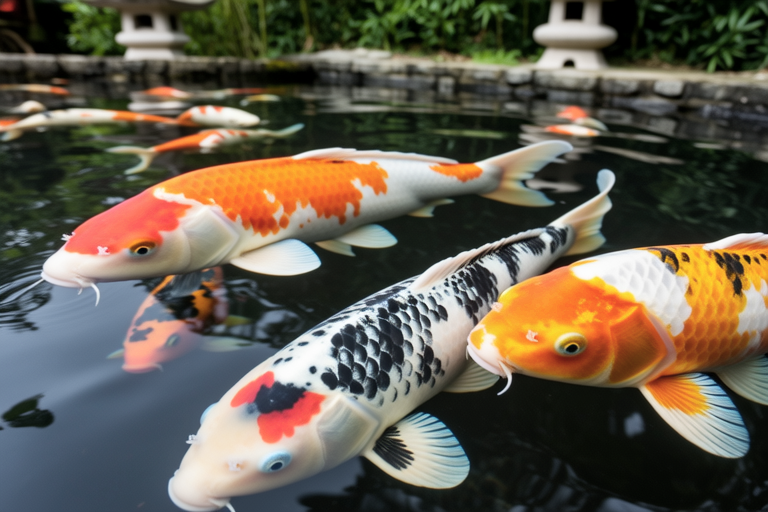
Koi exhibit a wide array of colors and patterns, making each fish unique. Some of the most recognized varieties include:
- Red and White Koi: Known as Shibire, these fish display bold red and white scales, often with intricate patterns.
- Blue and White Koi: The Magoi variety features striking blue scales, sometimes with white accents.
- Black and White Koi: The Shiro variety showcases sleek black scales contrasted by pristine white patches.
- Multi-Colored Koi: These fish, such as the Sanke and Showa, exhibit a combination of red, white, and black, creating mesmerizing patterns.
Each pattern is a result of selective breeding over centuries, highlighting the artistry involved in cultivating these fish.
Optimal Living Conditions
To ensure the health and well-being of your koi, it’s essential to provide them with suitable living conditions. Here are some key factors to consider:
- Pond Size and Depth: Koi require ample space to swim freely. A pond should be at least 3 feet deep to prevent freezing in winter and maintain stable temperatures. The recommended pond size is approximately 1,000 gallons per fish.
- Filtration System: An efficient filtration system is crucial for maintaining clean water. It should remove debris, control algae growth, and manage waste products. Regular maintenance of the filter ensures optimal water quality.
- Water Quality: Koi thrive in slightly alkaline water with a pH level between 7.2 and 8.5. Ammonia and nitrite levels should be kept at zero, while nitrate levels should remain below 50 ppm. Testing the water regularly helps identify potential issues early on.
- Feeding: A balanced diet is vital for koi health. High-quality commercial pellets, supplemented with occasional treats like freeze-dried bloodworms or fresh vegetables, provides necessary nutrients. Feeding should be done twice daily, ensuring all food is consumed within five minutes to prevent waste.
Common Health Issues
Despite their hardiness, koi can face various health problems. Early detection and proper treatment are critical for their recovery. Some common ailments include:
- Fungal Infections: Characterized by cotton-like growths on the skin, fungal infections are often caused by poor water quality or injuries. Treating the pond with anti-fungal medication and improving water conditions usually resolves the issue.
- Bacterial Infections: Symptoms include ulcers, fin rot, and lethargy. Bacterial infections may result from stress or poor hygiene. Antibiotics prescribed by a veterinarian can effectively treat bacterial infections.
- Parasitic Infestations: External parasites like ich can cause itching and scratching behavior. Using medicated treatments specifically designed for parasites can eliminate infestations.
Regular observation of your koi allows for prompt identification of any signs of illness, facilitating timely intervention.
Tips for Caring for Koi
Caring for koi involves more than just providing food and shelter. Here are some additional tips to enhance their well-being:
- Regular Water Changes: Changing 10-20% of the pond water weekly helps maintain water quality and prevents the buildup of harmful substances.
- Proper Aeration: Ensuring adequate oxygen levels is crucial, especially during warm weather when oxygen levels naturally decrease. Adding aeration devices, such as air stones or waterfalls, improves oxygen circulation.
- Seasonal Care: In colder months, reducing feeding frequency and preparing the pond for winter ensures koi survive harsh conditions. Heating systems can also be installed to maintain optimal temperatures.
- Social Interaction: Koi are social animals that benefit from interaction. Spending time observing them can strengthen your bond and allow you to monitor their behavior closely.
The Beauty and Complexity of Koi
Koi are more than just pets; they are living masterpieces that reflect centuries of human creativity and dedication. Their vibrant colors and intricate patterns tell stories of perseverance and beauty. Appreciating koi goes beyond surface-level admiration; it involves understanding the science behind their existence and the cultural significance they hold.
By delving into the world of koi, we uncover a deeper connection to nature and art. Each fish is a testament to the harmony between human ingenuity and natural wonder. As you care for your koi, remember to appreciate not only their outward appearance but also the rich history and scientific knowledge that shape their lives.
Whether you’re a beginner or an experienced koi keeper, there’s always more to learn about these captivating creatures. Engaging with the community, attending workshops, and staying informed through reliable resources will further enhance your experience and deepen your appreciation for koi.
