Top 7 Fascinating Facts About Coral Shrimp: Your New Aquarium Obsession
Welcome to the vibrant and captivating world of coral shrimp! These tiny yet mighty creatures are quickly becoming a favorite among aquarium enthusiasts for their unique characteristics and charming behaviors. Coral shrimp, scientifically known as Sergia plumosa, are not only visually stunning but also offer a delightful addition to any marine or reef tank. Whether you’re a seasoned aquarist or a novice, these shrimp will undoubtedly pique your interest and become your newest obsession. Let’s dive into the top seven fascinating facts about coral shrimp that will make you fall in love with them.
Fact 1: The Majestic Beauty of Coral Shrimp
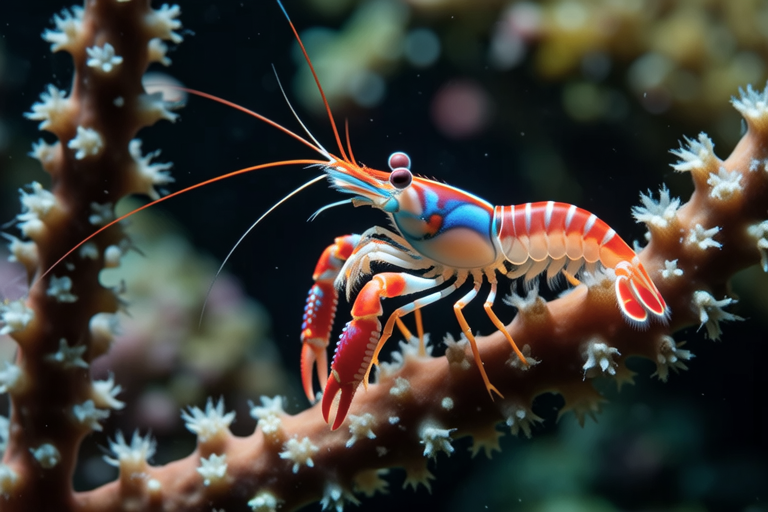
Coral shrimp are often referred to as “fire shrimp” due to their striking appearance. Their bodies are adorned with bright red, orange, and white hues, making them a focal point in any aquarium. However, their beauty goes beyond just their colors; they have long, feathery antennae that add to their elegance. These antennae are not merely decorative; they play a crucial role in sensing their environment and detecting potential threats or food sources. With their mesmerizing appearance, coral shrimp can transform any tank into a living work of art.
Fact 2: Lifespan and Growth
One of the most appealing aspects of coral shrimp is their relatively long lifespan compared to many other aquarium species. Under optimal conditions, these shrimp can live for up to five years, offering a long-term companionship for their keepers. Their growth rate is also noteworthy; coral shrimp can reach lengths of up to three inches (about 8 centimeters) when fully mature. This slow but steady growth allows you to watch your shrimp develop over time, creating a sense of connection and pride in their care.
Fact 3: Unique Feeding Habits
Coral shrimp are primarily detritivores, meaning they feed on organic matter found at the bottom of the ocean. In the wild, they scavenge for decaying plant material, algae, and small particles. In captivity, it’s essential to provide a varied diet to ensure their health and well-being. High-quality flake foods, frozen foods, and occasional supplements like spirulina or nori sheets can be beneficial. Additionally, coral shrimp are known to graze on the surface of corals, helping to maintain the health of your reef system. Their feeding habits make them excellent additions to reef tanks, where they contribute to the overall ecosystem.
Fact 4: Social Behavior and Compatibility
Contrary to popular belief, coral shrimp are generally peaceful and can coexist harmoniously with other tank inhabitants. They are not aggressive towards their tankmates and are unlikely to harm corals or fish. However, it’s important to consider the compatibility of your shrimp with other species. While coral shrimp get along well with most fish, they may become stressed if kept with overly aggressive or territorial species. It’s advisable to research the specific needs and behaviors of your potential tankmates to create a harmonious community. With proper care and selection, coral shrimp can thrive alongside a diverse array of aquatic life.
Fact 5: Water Quality Requirements
Maintaining pristine water quality is paramount for the health and longevity of coral shrimp. They require a stable environment with consistent water parameters, including temperature, pH, and salinity. Ideal water temperatures range between 72°F and 82°F (22°C to 28°C), while pH levels should be maintained between 8.1 and 8.4. Salinity should be kept at approximately 1.020 to 1.025 specific gravity. Regular water changes and efficient filtration systems are crucial to ensure a clean and healthy habitat for your shrimp. By providing optimal water conditions, you can prevent stress-related issues and promote the vibrant colors and active behavior of your coral shrimp.
Fact 6: Breeding Challenges and Rewards
Breeding coral shrimp in captivity can be both challenging and rewarding for dedicated aquarists. Unlike some other shrimp species, coral shrimp do not readily breed in home aquariums. However, with the right conditions and patience, it is possible. Males and females can be distinguished by subtle differences in coloration and size. Females tend to be slightly larger and more colorful than males. To encourage breeding, it’s recommended to provide ample hiding spots, such as rock caves or PVC pipes, to mimic natural spawning areas. Successful breeding can result in a new generation of shrimp, adding a personal touch to your aquarium hobby. Witnessing the lifecycle of these fascinating creatures can be an enriching experience for any enthusiast.
Fact 7: Nighttime Activities and Bioluminescence
One of the most intriguing aspects of coral shrimp is their nocturnal behavior and bioluminescent capabilities. During the day, they remain hidden in crevices or under rocks, emerging at night to forage and explore. Their bioluminescent properties, which allow them to produce light through chemical reactions within their bodies, serve various purposes. In the wild, this ability helps them communicate, attract mates, and deter predators. In captivity, witnessing the soft glow of coral shrimp during nighttime can be a magical experience, transforming your aquarium into a captivating underwater wonderland. This unique characteristic adds an extra layer of fascination to these already enchanting creatures.
In conclusion, coral shrimp are truly remarkable creatures that bring beauty, charm, and a sense of wonder to any aquarium. From their vibrant colors and elegant antennae to their unique feeding habits and social behaviors, there is always something fascinating to learn about these captivating shrimp. By understanding their specific needs and providing a nurturing environment, you can ensure the health and happiness of your coral shrimp, turning your aquarium into a thriving marine oasis. Whether you’re a seasoned aquarist or a newcomer to the hobby, coral shrimp are sure to become a beloved part of your aquatic family. Dive into the world of coral shrimp and discover the joy of caring for these mesmerizing creatures.
