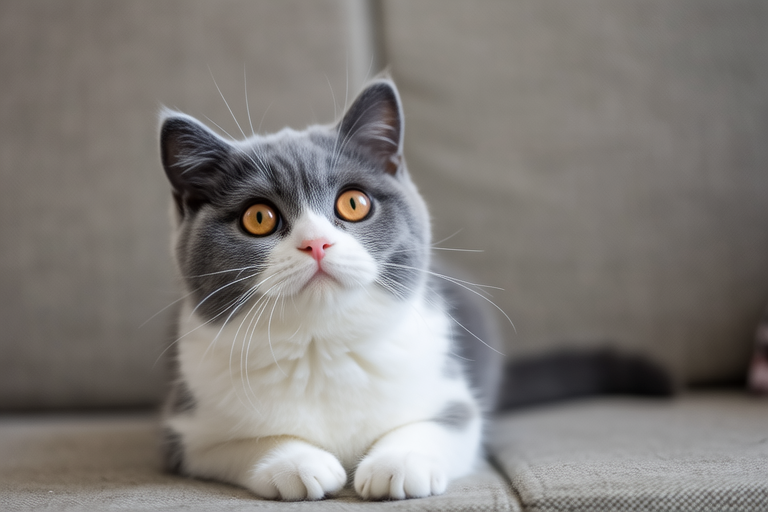
Munchkin Magic: How This Unique Breed Has Captivated Pet Lovers Worldwide
The world of feline companionship has always been filled with variety and wonder. Among the many breeds that have captured the hearts of pet lovers, one stands out for its unique charm and captivating presence – the Munchkin cat. With its distinctively short legs, this breed has managed to win over hearts across the globe. In this article, we will explore the fascinating history, physical attributes, temperament, and care requirements of the Munchkin cat, as well as share some heartwarming testimonials from owners who have been captivated by this unique breed.
Introduction to the Munchkin Cat
The Munchkin cat is a relatively new breed, first recognized in the early 1990s. Its most notable characteristic is its unusually short legs, which give it a distinct appearance reminiscent of a dwarf rabbit. Despite their diminutive stature, Munchkins are agile and surprisingly fast runners, often surprising observers with their ability to leap and climb despite their shorter limbs. The breed’s name comes from the character of the same name in The Wizard of Oz, known for its small size and whimsical nature.
History and Origin of the Munchkin Cat
The origins of the Munchkin cat are somewhat mysterious. Some believe that the breed emerged spontaneously in the United States when a cat with naturally short legs was discovered in Louisiana in the 1980s. Others suggest that the breed may be related to the Kurilian Bobtail, a Russian breed known for its short tail. Regardless of its exact origins, the Munchkin quickly gained popularity due to its unique appearance and charming personality.
Despite initial skepticism from some in the cat fancy community, the Munchkin has gradually gained acceptance. Today, it is recognized by several major cat registries, including The International Cat Association (TICA), which granted it full championship status in 2003. The breed’s popularity continues to grow, with many enthusiasts captivated by its distinctive look and delightful personality.
Physical Characteristics of the Munchkin Cat
The Munchkin cat’s most striking feature is undoubtedly its short legs. These legs can be either rumpy (where the spine is attached directly to the pelvis) or non-rumpy (where there is a slight bend). Both types of Munchkins are equally agile and active. Their bodies are generally proportionate to their height, with medium-sized heads and large, expressive eyes that add to their endearing appearance.
Munchkins come in a wide range of coat colors and patterns, including solid colors, tabby, tortoiseshell, and calico. Their coats can be either short or long, and both varieties require minimal grooming. Regular brushing helps keep their fur healthy and free of tangles, but otherwise, they are low-maintenance when it comes to grooming.
While their short legs might lead one to assume that Munchkins would be less active than other breeds, this is far from the truth. These cats are incredibly energetic and playful, often surprising their owners with their agility and speed. They are also known for their strong hunting instincts, making them excellent at catching toys and playing fetch.
Health and Lifespan of the Munchkin Cat
Despite their unique appearance, Munchkins are generally healthy cats with an average lifespan of 12 to 15 years. However, like all breeds, they are susceptible to certain health issues. One of the most common concerns is spinal problems, such as lordosis (curvature of the spine) or spondylosis (fusion of the vertebrae). These conditions can cause pain and discomfort, but they are usually manageable with proper care and regular veterinary check-ups.
Another potential issue is respiratory problems, particularly in longhaired Munchkins. Their shorter legs can sometimes affect their breathing, so it’s important to monitor them for signs of distress or difficulty breathing. Regular vet visits and a healthy lifestyle can help mitigate these risks and ensure your Munchkin lives a long and happy life.
Temperament and Behavior of the Munchkin Cat
Munchkins are known for their friendly and adaptable personalities, making them excellent companions for families and individuals alike. They are highly social and enjoy interacting with humans and other animals. Their playful nature makes them great playmates for children and other pets, and they are often seen chasing after toys or leaping onto high surfaces despite their shorter legs.
One of the most endearing qualities of the Munchkin is its curiosity. These cats love to explore their surroundings and are always looking for new adventures. They are intelligent and can be trained to perform tricks or respond to commands, making them a joy to live with. Their adaptability means they can thrive in a variety of environments, from bustling city apartments to quiet rural homes.
Care and Maintenance of the Munchkin Cat
Proper care is essential to ensuring that your Munchkin remains healthy and happy. A balanced diet rich in nutrients is crucial for maintaining their energy levels and overall health. High-quality commercial cat food or a homemade diet formulated by a veterinarian can provide the necessary nutrients. Avoid feeding your Munchkin table scraps or human food, as these can lead to obesity and other health issues.
Exercise is another important aspect of Munchkin care. While they are naturally active, providing them with opportunities for play and exploration is beneficial. Interactive toys, climbing structures, and designated playtimes can help keep them physically and mentally stimulated. Regular exercise also helps prevent obesity, a common issue in indoor cats.
Grooming is relatively simple for Munchkins, regardless of whether they have short or long hair. Regular brushing helps remove loose fur and prevent matting. Bathing is generally unnecessary unless your Munchkin gets particularly dirty or has a medical condition requiring it. Keep their nails trimmed and ears clean, and monitor their teeth for signs of dental disease.
Potential Health Issues
As mentioned earlier, spinal problems are a concern for Munchkins. Lordosis and spondylosis can cause pain and discomfort, but they are usually manageable with proper care and regular veterinary check-ups. Respiratory issues, particularly in longhaired Munchkins, can also occur. Signs of respiratory distress include rapid breathing, coughing, or wheezing. If you notice any of these symptoms, consult your veterinarian immediately.
Obesity is another potential health issue for Munchkins, especially if they are kept indoors and lack sufficient exercise. Obesity can lead to a host of health problems, including diabetes, arthritis, and liver disease. Maintaining a healthy weight through proper diet and exercise is crucial for your Munchkin’s wellbeing.
Testimonials from Munchkin Owners
“When we adopted our Munchkin, we were a little worried about how he would adapt to our home. But within days, he had settled in perfectly and became part of the family. His playful nature and curious spirit make him a delight to be around, and his short legs only add to his charm,” says Sarah, a proud owner of a Munchkin cat.
Another owner, John, shares, “Our Munchkin is the most adaptable cat we’ve ever had. She fits in seamlessly with our family and even gets along well with our dog. Her playful antics never fail to bring a smile to our faces.”
Conclusion
The Munchkin cat has truly captured the hearts of pet lovers worldwide with its unique appearance, friendly temperament, and playful nature. Whether you’re a seasoned cat owner or considering adopting your first feline friend, the Munchkin offers a delightful and rewarding experience. Their adaptability, intelligence, and affection make them a beloved choice among pet lovers, and their charm and uniqueness continue to captivate new admirers every day.
