The Fascinating World of Squirrels: A Comprehensive Guide
Squirrels, those nimble creatures often seen darting through parks and gardens, are more than just cute animals chasing after acorns. They play a crucial role in forest ecosystems, contribute to seed dispersal, and have developed fascinating survival strategies. This guide delves into the behaviors, habitats, and lesser-known facts about squirrels, exploring their acorn-chasing habits, nesting techniques, communication methods, and survival strategies.
Acorn-Chasing Habits
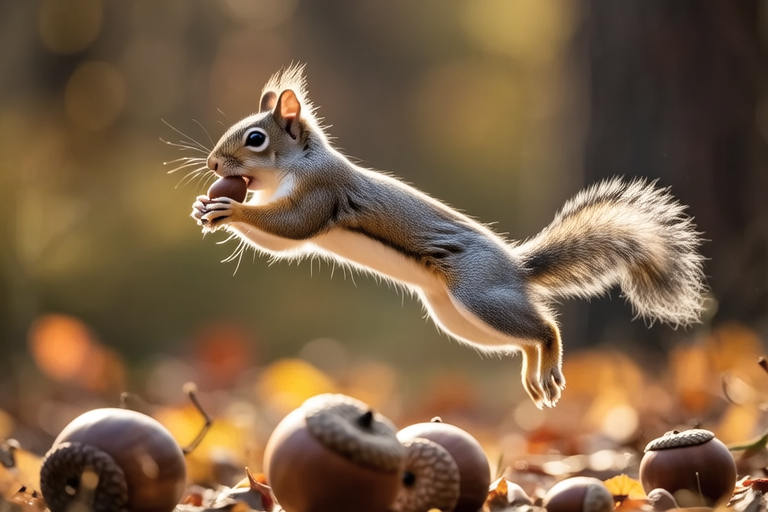
One of the most recognizable behaviors of squirrels is their relentless pursuit of acorns. These nutritious seeds are a vital part of their diet, especially during autumn when squirrels stockpile food for winter. Scientists have studied the caching behavior of squirrels, revealing that they can bury thousands of acorns over the course of a season. Some squirrels even engage in “scatter hoarding,” where they distribute their caches across various locations to minimize the risk of theft by other animals.
Dr. Jennifer Campbell-Smith, a behavioral ecologist at the University of Edinburgh, has conducted extensive research on squirrel caching behavior. Her studies show that squirrels can remember the location of up to 90% of their buried acorns, even months later. This impressive memory helps ensure that squirrels have enough food to survive harsh winters.
Nesting Techniques
Squirrels are adept at creating cozy nests, known as dreys, which provide shelter from predators and inclement weather. Dreys are typically built high in trees, constructed from twigs, leaves, moss, and other available materials. These nests are not only used for sleeping but also serve as safe havens for raising young.
Urban squirrels have adapted their nesting habits to suit city life. They often build dreys in the attics of houses or under eaves, taking advantage of human structures for protection and warmth. Dr. Robert Lacy, a conservation biologist at the Chicago Zoological Society, has observed that urban squirrels are more likely to use man-made structures for nesting compared to their rural counterparts.
Communication Methods
Like many animals, squirrels rely on a variety of communication methods to interact with each other and warn of potential threats. They use vocalizations, such as chirps, barks, and whistles, to signal alarm or attract mates. Tail flicks and postures also play a significant role in their communication repertoire.
Research by Dr. Michael Steele, a professor of biology at Wilkes University, has shown that squirrel vocalizations can convey specific messages. For example, a sharp bark may indicate the presence of a predator, while softer chirps might be used to establish territory or court a mate. Understanding these vocalizations provides valuable insights into squirrel social dynamics and behavior.
Seasonal Activities
Throughout the year, squirrels engage in different activities that reflect the changing seasons. In spring, they focus on reproduction, mating, and raising their young. Summer brings increased foraging and caching as squirrels prepare for the upcoming winter. Autumn is marked by intense food gathering, while winter sees squirrels relying on their stored provisions and seeking shelter from cold temperatures.
During winter, some squirrel species, like the red squirrel, enter a state of torpor, reducing their metabolic rate and body temperature to conserve energy. This adaptation allows them to survive periods of food scarcity. However, urban squirrels, such as the eastern gray squirrel, are less likely to experience food shortages due to the availability of human-provided food sources.
Interactions with Other Wildlife
Squirrels interact with a wide range of other wildlife species, both cooperatively and competitively. They often compete with birds, such as jays and crows, for acorns and other food resources. However, they also form symbiotic relationships with certain plants, acting as seed dispersers and helping to regenerate forests.
Studies have shown that squirrels can positively impact forest regeneration by burying seeds and inadvertently planting new trees. Dr. William McShea, a wildlife biologist at the Smithsonian Conservation Biology Institute, has highlighted the importance of squirrels in maintaining healthy ecosystems. Their role in seed dispersal helps promote biodiversity and ensures the long-term health of forested areas.
Survival Strategies
In addition to their caching and nesting behaviors, squirrels have developed several other survival strategies to thrive in their environment. They are agile climbers, capable of leaping between branches and navigating complex tree structures. This agility helps them avoid ground-based predators and access food sources that are out of reach for slower animals.
Squirrels are also highly adaptable, able to adjust their behavior and habitat preferences based on environmental changes. Urbanization has forced squirrels to modify their diets and nesting habits, leading to increased interactions with humans. While this adaptability has allowed squirrels to flourish in cities, it also exposes them to new challenges, such as traffic accidents and conflicts with pet dogs and cats.
Challenges in Urban Environments
Living in urban environments presents unique challenges for squirrels. Traffic accidents are a significant cause of mortality for urban squirrels, with many individuals falling victim to speeding vehicles. Pet dogs and cats pose another threat, as they may attack or harass squirrels.
Dr. Stanley Gehrt, a wildlife ecologist at Ohio State University, has studied the effects of urbanization on squirrel populations. His research reveals that urban squirrels have higher mortality rates compared to their rural counterparts. However, they also exhibit higher reproductive success, potentially offsetting the increased risk of death.
Conclusion
Squirrels are fascinating creatures with complex behaviors and ecological roles. From their acorn-chasing habits to their intricate nesting techniques, these animals demonstrate remarkable adaptability and intelligence. As urban environments continue to expand, understanding the challenges faced by squirrels becomes increasingly important for ensuring their survival and well-being. By appreciating the contributions of squirrels to our ecosystems, we can work towards creating more sustainable and harmonious coexistence with these delightful creatures.
