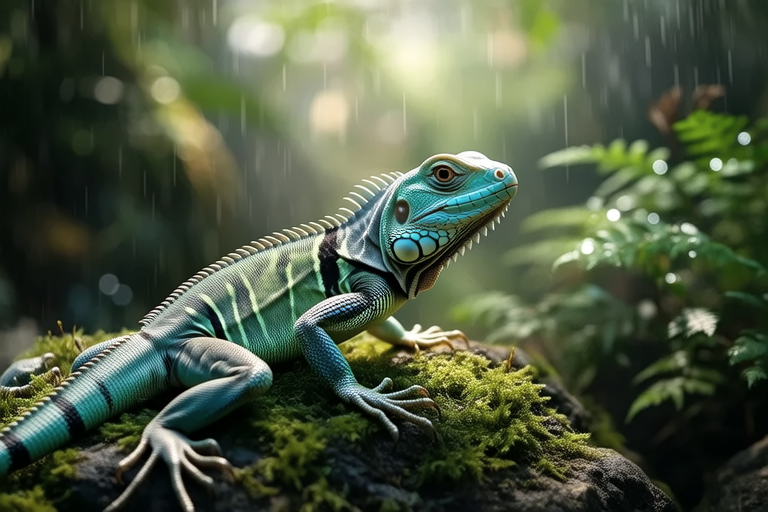
Japalura: A Unique Addition to the World of Pets
The Japalura is a fascinating reptile that has garnered attention for its unique characteristics, intriguing origins, and captivating behaviors. This article delves into the Japalura species, exploring its appearance, care requirements, and common health issues. Additionally, we will discuss the interaction between Japaluras and their owners, offering training and socialization tips. Finally, we’ll compare the Japalura with other popular pets, emphasizing its distinct advantages, and conclude with insights into why this species deserves more attention.
Origins and Natural Habitat
Japaluras, scientifically known as Calotes versicolor, originate from Southeast Asia, particularly India, Sri Lanka, and parts of China. They thrive in tropical and subtropical regions characterized by warm climates and diverse vegetation. These lizards are primarily arboreal, spending much of their time perched on branches or rocks, making them well-suited for life in dense forests and open grasslands.
Appearance and Physical Characteristics
Japaluras are medium-sized lizards, typically measuring between 6 to 10 inches in length, including their tails. Their bodies are slender and elongated, with strong limbs designed for climbing. The most striking feature of Japaluras is their vibrant coloration, which can range from bright greens to deep blues, depending on their mood and environment. Males often display brighter colors during breeding season, while females tend to have more subdued hues.
Their skin is covered in small scales that provide protection against predators and environmental hazards. One of the most distinctive features of Japaluras is the large, fleshy dewlap under their chins, which they extend to communicate and intimidate rivals. This dewlap is especially prominent in males and plays a crucial role in courtship displays and territorial disputes.
Care Requirements
Proper care is essential for maintaining the health and happiness of your Japalura. Housing these lizards requires a spacious vivarium that mimics their natural habitat. The enclosure should be at least three times the length of the lizard, providing ample space for climbing and exploration. Equip the vivarium with sturdy branches, rocks, and artificial plants to create an engaging environment.
Temperature and humidity levels must be carefully controlled to ensure optimal living conditions. Japaluras prefer temperatures ranging from 75°F to 85°F (24°C to 29°C) during the day, with a slight drop at night. Humidity levels should be maintained between 50% and 70%, which can be achieved through regular misting and the use of a humidifier. A basking spot with temperatures around 90°F (32°C) should also be provided to allow the lizard to thermoregulate effectively.
Diet is another critical aspect of Japalura care. These omnivorous lizards require a balanced diet consisting of insects, fruits, and vegetables. Crickets, mealworms, and dubia roaches make excellent protein sources, while leafy greens like kale, spinach, and dandelion leaves provide essential vitamins and minerals. Fruits such as berries, melons, and mangoes can be offered sparingly as treats. It’s important to gut-load feeder insects with nutritious food before offering them to your Japalura to ensure they receive maximum nutritional benefit.
Common Health Issues
Like any pet, Japaluras are susceptible to certain health issues. Metabolic bone disease (MBD) is one of the most common problems, often resulting from calcium and vitamin D3 deficiencies. Ensuring proper lighting, supplementation, and a balanced diet can help prevent this condition. Respiratory infections may also occur if the enclosure is too damp or poorly ventilated. Regular cleaning and monitoring of humidity levels can reduce the risk of respiratory issues.
Parasitic infestations, such as mites or ticks, can affect Japaluras. These parasites can cause irritation, weight loss, and even death if left untreated. Regular inspection and prompt treatment are necessary to maintain the lizard’s health. Additionally, stress-related illnesses can arise if the lizard feels threatened or uncomfortable in its environment. Providing a secure, enriching habitat and minimizing handling can help alleviate stress and promote overall well-being.
Interaction Between Japaluras and Owners
Despite their wild origins, Japaluras can form bonds with their owners when properly socialized. Establishing trust is key to fostering a positive relationship. Start by creating a calm and consistent routine, allowing the lizard to become accustomed to your presence. Gradually introduce gentle handling, ensuring you support its body and avoid sudden movements that might startle it.
Training techniques, such as target training, can enhance communication between you and your Japalura. Using a small stick or treat as a target, encourage the lizard to move toward it. Reward successful attempts with praise or a favorite snack. Socialization with other pets should be approached cautiously, as Japaluras may feel threatened by unfamiliar animals. Always supervise interactions and prioritize the safety and comfort of your lizard.
Comparison with Other Popular Pets
When compared to other popular pets, Japaluras offer several distinct advantages. Unlike dogs or cats, which require daily walks and playtime, Japaluras are relatively low-maintenance. Their vivarium provides a self-contained environment that requires minimal outdoor activity. However, they still benefit from enrichment activities, such as introducing new toys or rearranging the enclosure layout.
Compared to fish, which are often kept in tanks, Japaluras offer a more interactive experience. While fish provide visual enjoyment, they lack the ability to engage with their owners. Japaluras, on the other hand, can respond to human interaction, making them ideal for those seeking a pet that offers both visual appeal and engagement.
Unlike birds, which can be noisy and require extensive care, Japaluras are generally quiet and undemanding. They don’t produce loud sounds that could disturb neighbors or disrupt household routines. Furthermore, Japaluras don’t require extensive grooming or frequent baths, making them easier to care for than some other pets.
Conclusion
The Japalura is a remarkable reptile that deserves more attention as a splendid addition to the world of pets. Its unique appearance, intriguing behaviors, and relatively low maintenance make it an ideal choice for reptile enthusiasts and newcomers alike. By understanding the specific needs and care requirements of Japaluras, owners can provide them with a healthy and enriching environment. With proper socialization and training, these lizards can form meaningful bonds with their human companions, offering a rewarding and enjoyable pet ownership experience.
