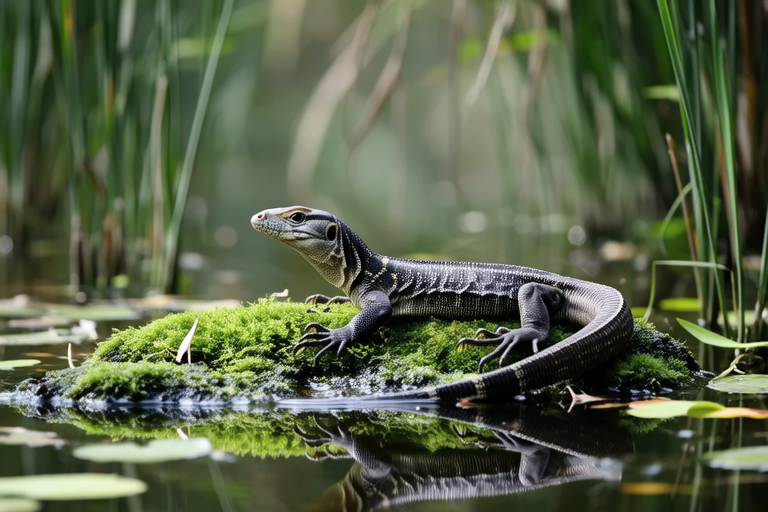
From Swamp to Home: How to Care for Your Exotic Water Monitor
The water monitor (Varanus salvator) is one of the largest lizards in the world, native to Southeast Asia, where it thrives in swamps, mangrove forests, and rivers. Known for their intelligence and adaptability, water monitors have become popular pets among reptile enthusiasts. However, caring for these creatures requires a deep understanding of their unique needs, from diet to habitat. This guide will walk you through everything you need to know to provide your water monitor with the best possible care.
Natural Habitat and Behavior
In the wild, water monitors are highly active and spend much of their time both on land and in water. They are excellent swimmers and climbers, often found basking on tree branches or rocks near water bodies. These lizards are omnivorous, feeding on a variety of prey including insects, small mammals, birds, fish, and even carrion. Their natural environment is crucial for understanding how to replicate suitable living conditions at home.
Dietary Needs
Water monitors are opportunistic feeders and their diet can be varied, but it’s important to ensure they get a balanced intake of nutrients. In captivity, a mix of live prey and occasional plant matter is recommended. Suitable food items include mice, rats, feeder fish, crickets, and mealworms. It’s also beneficial to offer them fruits like bananas and apples occasionally. Feeding should be done every few days, with the amount depending on the size of the lizard. Always ensure that any food item is appropriately sized to avoid choking hazards.
Housing Requirements
Creating a proper enclosure is paramount for the well-being of your water monitor. A large tank or custom-built vivarium is necessary due to the size of these lizards. The minimum recommended size for a young water monitor is 4 feet by 2 feet by 2 feet, increasing as the lizard grows. The enclosure should have multiple levels and climbing structures, as well as a large water area for swimming. Substrate should be easily cleaned and non-toxic; reptile carpet or large gravel works well. Avoid substrates that could be ingested or cause impaction.
Temperature and Humidity Control
Maintaining the right temperature and humidity levels is critical for a water monitor’s health. The enclosure should have a thermal gradient, with a hot spot reaching up to 95°F (35°C) and cooler areas around 80°F (27°C). Use heat lamps or ceramic heaters to achieve this, ensuring they don’t directly touch the enclosure to prevent burns. Humidity should be kept between 60% and 80%, which can be maintained using misting systems or humidifiers. Regular monitoring with thermometers and hygrometers ensures optimal conditions.
Hygiene Maintenance
Keeping the enclosure clean is vital to prevent disease. Spot clean daily, removing uneaten food and waste. Perform a thorough cleaning every two weeks, disinfecting all surfaces and replacing substrate. Water bowls should be cleaned regularly and disinfected to maintain hygiene. Proper ventilation is also necessary to prevent mold and bacteria growth, which can harm your pet.
Handling and Socialization
Water monitors are generally wary of humans, but with patience and consistency, they can be socialized. Start by letting your monitor acclimate to its new environment before attempting to handle it. When handling, always support the body and never grab by the tail, as this can cause injury. Frequent gentle interactions can help build trust, though some monitors may remain cautious. Providing a secure hiding place in the enclosure can also reduce stress.
Common Health Issues and Veterinary Care
Like any pet, water monitors can face health issues. Common problems include metabolic bone disease due to calcium deficiency, respiratory infections from improper humidity, and parasites. Signs of illness might include lethargy, loss of appetite, difficulty breathing, or visible wounds. Regular check-ups with a veterinarian experienced in exotic animals are recommended to catch potential issues early. If you notice any unusual behavior or physical signs, consult a vet immediately.
In conclusion, owning a water monitor is a significant commitment that requires dedication and knowledge. By providing a suitable environment, a balanced diet, and regular care, you can ensure your pet leads a healthy and happy life. Remember, these lizards are not for everyone, so make sure you’re fully prepared before bringing one into your home. With the right approach, you can enjoy a rewarding relationship with this fascinating creature.
