The Enigmatic Persian Cat: A Comprehensive Guide
Known for their regal appearance and gentle demeanor, Persian cats have captivated the hearts of cat lovers for centuries. These felines are not only a sight to behold but also possess unique behaviors and preferences that make them one of the most beloved cat breeds. In this article, we will delve into the rich history, physical traits, grooming needs, social habits, and other intriguing aspects of Persian cats, offering valuable insights for both current and prospective owners.
A Glimpse into History
The origins of the Persian cat can be traced back to ancient Persia (modern-day Iran), where they were first domesticated. They were introduced to Europe in the 1600s by Italian traders and quickly became popular among European aristocracy. The breed’s popularity soared during the Victorian era, thanks to Queen Victoria’s fondness for these long-haired beauties. Over time, selective breeding has refined the Persian cat, resulting in the elegant and luxurious feline we know today.
Physical Traits
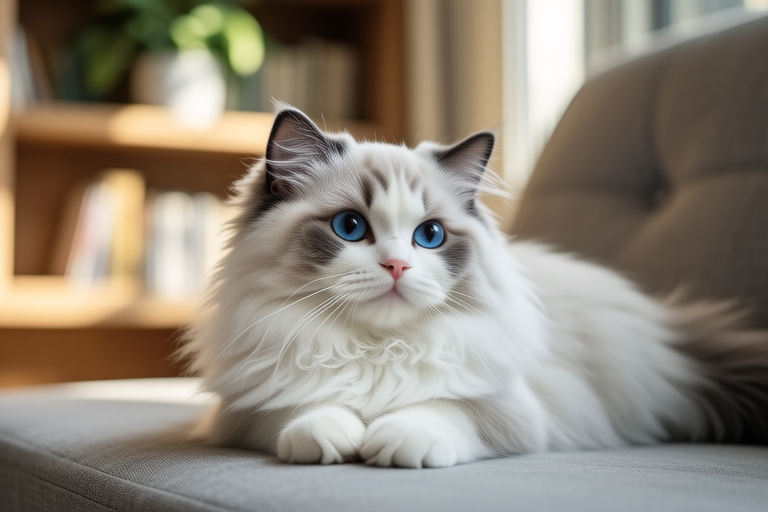
Persian cats are instantly recognizable by their striking appearance. Their plush, dense coats, which come in an array of colors and patterns, are their most notable feature. Their round faces, large expressive eyes, and small ears give them a sweet and innocent look. Despite their delicate appearance, Persians have sturdy bodies with broad chests and muscular limbs. Their tails are thick and fluffy, adding to their overall majestic presence.
Grooming Needs
One of the most significant challenges for Persian cat owners is their extensive grooming requirements. Due to their long, fine coats, they require daily brushing to prevent matting and hairballs. Regular bathing is also necessary to keep their fur clean and healthy. Additionally, it’s essential to trim their nails regularly and clean their eyes and ears to avoid infections. Proper grooming not only maintains their appearance but also ensures their comfort and well-being.
Social Habits
Persian cats are known for their affectionate and gentle nature. They enjoy being around their human companions and often seek out their company. However, they can be somewhat aloof at times, preferring to observe from a distance rather than actively participate in play. This trait makes them ideal for homes where people appreciate a quiet, serene atmosphere. Despite their reserved demeanor, Persians form strong bonds with their owners and can be very loyal pets.
Interactions Within Human Households
Persians adapt well to various household settings, provided they have a peaceful environment. They thrive in calm homes without too much noise or chaos. They are generally tolerant of children and other pets, though they may prefer quieter surroundings. Their gentle disposition makes them excellent companions for elderly individuals or families seeking a low-maintenance pet.
Sleeping Patterns
Like many cats, Persians are creatures of habit and are known for their love of sleep. They typically spend around 16 hours a day sleeping, with periods of activity interspersed throughout the day. Their sleeping habits are often influenced by their environment, and they tend to sleep more in quiet, comfortable areas. Providing cozy, secluded spots for them to rest can enhance their sense of security and well-being.
Favorite Activities
Persians enjoy a variety of activities, though their preferences can vary from cat to cat. Many Persians are drawn to interactive toys and games that stimulate their minds and bodies. They also enjoy lounging on elevated surfaces, such as windowsills or perches, where they can observe the world around them. Some Persians have a playful side and may engage in chasing after toys or playing with laser pointers. Others prefer more sedentary activities, like napping or grooming themselves.
Typical Environments
Persian cats flourish in environments that cater to their specific needs. They prefer clean, quiet spaces with plenty of soft surfaces for resting. Their living areas should be free from dust and allergens, as their long coats can trap irritants. Providing them with comfortable beds, scratching posts, and toys can help ensure their happiness and contentment. Additionally, maintaining a consistent routine and providing regular interaction can contribute to their overall well-being.
The Affectionate Yet Aloof Nature
One of the most endearing qualities of Persian cats is their ability to balance affection with independence. While they enjoy spending time with their owners, they also value their alone time. This duality can sometimes lead to misunderstandings between owners and their pets. It’s important for owners to recognize and respect their cat’s need for space while still providing ample opportunities for bonding and interaction.
Tips for Owners
- Regular Grooming: Daily brushing and occasional baths are crucial for maintaining your Persian’s coat.
- Provide Comfortable Spaces: Offer cozy, quiet areas where your cat can retreat when needed.
- Interactive Play: Engage your cat in stimulating activities to keep them mentally and physically active.
- Consistent Routine: Establish a predictable schedule to help your cat feel secure and comfortable.
- Respect Their Space: Recognize when your cat wants to be left alone and give them the space they need.
Owning a Persian cat can be a rewarding experience, filled with moments of joy and companionship. By understanding their unique behaviors, preferences, and needs, you can provide a loving home for these exquisite felines. With proper care and attention, your Persian cat will become a cherished member of your family, bringing beauty and serenity to your household.
