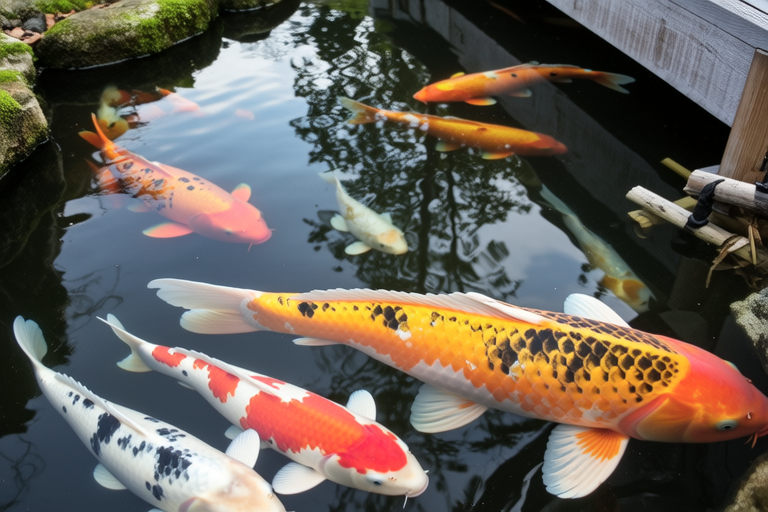
Koi Dreams: The Ultimate Checklist for Building an Ideal Pond
Building a koi pond is more than just digging a hole and filling it with water. It’s about creating an ecosystem that supports the health, happiness, and longevity of your koi fish. This comprehensive guide will walk you through every step, from selecting the perfect location to maintaining your pond. Let’s dive into the world of koi dreams!
Selecting the Perfect Location
The first step in building your dream koi pond is choosing the right location. Your pond should be placed in a spot that receives ample sunlight but also offers some shade, ideally between four and six hours per day. This balance helps maintain water temperature and algae growth.
Consider proximity to your home for easy access and viewing pleasure. A well-placed pond can enhance your property’s aesthetics while providing a serene atmosphere. Avoid areas prone to flooding or heavy runoff, as these conditions can compromise water quality and the structural integrity of your pond.
Sizing and Shaping the Pond
The size and shape of your pond play crucial roles in the overall health of your koi. A general rule of thumb is to provide at least 100 gallons of water per inch of fully grown koi. For instance, if you plan to house koi averaging 18 inches in length, you’ll need approximately 1,800 gallons of water per fish.
Depth is equally important; aim for a minimum depth of three feet. This ensures proper oxygenation and provides refuge for your koi during colder months. Consider incorporating shelves or ledges at various depths to create diverse habitats within the pond.
Shape your pond to complement its surroundings while allowing for efficient circulation and filtration. Avoid sharp angles that could trap debris or hinder movement.
Filtration Systems
A robust filtration system is essential for maintaining clean, healthy water. Choose between biological, mechanical, and chemical filters based on your specific needs:
- Biological Filters: Encourage beneficial bacteria colonies that break down harmful ammonia and nitrites.
- Mechanical Filters: Trap large particles like leaves and uneaten food before they reach the biological filter.
- Chemical Filters: Remove dissolved organic compounds and color from the water.
Regular maintenance of your filtration system ensures optimal performance. Clean or replace media as needed and monitor water parameters regularly.
Aeration
Proper aeration keeps your pond’s water oxygenated, promoting healthy fish and preventing stagnation. Install air stones or diffusers connected to an air pump to circulate air throughout the pond. Ensure adequate coverage by placing diffusers strategically around the pond.
During warmer months when oxygen levels may drop, consider adding supplemental aeration devices such as waterfalls or fountains.
Lighting
Incorporate underwater lights to highlight the beauty of your koi pond after dark. Choose LED lights for energy efficiency and long life span. Position lights to illuminate key features without causing excessive glare or attracting unwanted pests.
For security purposes, consider installing motion-sensor floodlights near the perimeter of the pond.
Plant Selection for Koi Ponds
Plants not only add aesthetic value but also serve functional purposes. Select species that thrive in aquatic environments and benefit from the nutrients provided by koi waste:
- Oxygenators: Like hornwort and anacharis, which produce oxygen and absorb excess nutrients.
- Surface Plants: Such as water lilies and lotus, which shade the water and reduce algae growth.
- Submerged Plants: Including cabomba and vallisneria, which offer hiding spots and breeding grounds for microorganisms.
Ensure compatibility between plant types and your local climate. Consult with experts or online resources for recommendations tailored to your region.
Necessary Equipment: Pumps and Heaters
Invest in high-quality pumps capable of circulating all pond water at least once every hour. Proper circulation promotes even temperature distribution and prevents stagnant areas where debris can accumulate.
Heaters are indispensable during colder seasons. Select models with thermostats for precise control over water temperature. Always follow manufacturer guidelines regarding installation and operation.
Maintenance Tips
Regular maintenance keeps your koi pond running smoothly and ensures the well-being of its inhabitants:
- Perform weekly checks of water quality using test kits. Monitor pH, ammonia, nitrite, and nitrate levels.
- Clean filters according to manufacturer instructions. Remove debris from skimmers and other intake points.
- Trim dead or dying plants promptly to prevent decomposition and nutrient overload.
- Inspect pumps and heaters monthly for signs of wear or malfunction.
Establish a routine schedule for deep cleaning tasks like draining and scrubbing the pond bottom. Adjust this frequency based on seasonal changes and observable conditions.
Considerations for Koi Health and Safety
Creating a safe haven for your koi involves addressing potential threats:
- Predator Protection: Install physical barriers like nets or fencing to deter animals such as raccoons, herons, and cats.
- Disease Prevention: Quarantine new additions before introducing them to your main pond. Maintain strict hygiene practices when handling fish or equipment.
- Stress Reduction: Minimize sudden disturbances by keeping the area around the pond quiet and undisturbed.
Stay informed about common ailments affecting koi and seek professional advice if symptoms persist despite your best efforts.
Conclusion
Building an ideal koi pond requires careful planning and attention to detail. By following this checklist, you’ll create a thriving environment where your beloved koi can flourish. Remember, patience and dedication are key components in nurturing these magnificent creatures. Enjoy the journey towards realizing your koi dreams!
