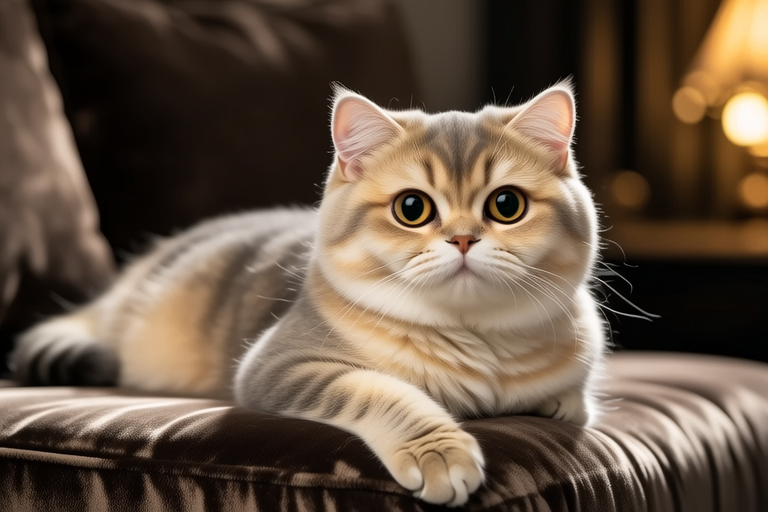
From Royalty to Couch Potato: Life with a Golden British Shorthair
Welcome to the world of golden British Shorthairs, a breed that seamlessly transitions from a regal kitten to a luxurious couch potato. These cats are known for their majestic appearance, plush coats, and gentle nature. Join me on a journey through the life of my golden British Shorthair, exploring the breed’s unique characteristics, temperament, and care requirements. This article will offer insights into the joys and challenges of owning one of these magnificent creatures.
The Royal Beginnings
When I first brought home my golden British Shorthair, I was struck by her regal demeanor. With her large round eyes and plush, golden coat, she looked like a tiny lioness. Her curiosity and playful nature made her a delight to watch as she explored her new surroundings. British Shorthairs are known for their intelligence and inquisitive nature, traits that were evident from the start.
Training a young British Shorthair can be both challenging and rewarding. My kitten quickly learned where her litter box was located, but teaching her to use the scratching post required more patience. I used positive reinforcement techniques, such as treats and praise, to encourage good behavior. She also enjoyed playing with interactive toys, which helped channel her energy and kept her engaged.
The Transformation
As my golden British Shorthair grew older, her personality began to shift. What was once a bundle of energy became a serene, relaxed feline. The transition from an active, curious kitten to a laid-back adult cat is a common experience with this breed. While some cats remain playful into adulthood, many British Shorthairs tend to slow down as they age.
This change can be surprising for new owners expecting constant playtime. However, it’s important to understand that maturity brings its own form of joy. Watching my cat relax in the sunbeam or curl up next to me on the couch has become a cherished part of our daily routine. Their calm demeanor makes them excellent companions for people seeking a peaceful, low-maintenance pet.
Breed Characteristics and Temperament
British Shorthairs are renowned for their even temperaments and friendly dispositions. They are generally patient and affectionate, making them ideal family pets. Their calm nature extends beyond just their temperament; they are also relatively quiet cats, rarely vocalizing unless necessary.
One of the most striking features of the British Shorthair is their dense, short fur. Regular grooming is essential to maintain their coat’s health and prevent matting. Brushing once or twice a week helps remove loose hair and distributes natural oils throughout the fur. Bathing is usually unnecessary unless absolutely needed, as frequent baths can strip the fur of its natural oils.
Care Requirements
Feeding your golden British Shorthair a balanced diet is crucial for their overall health. High-quality cat food that meets their nutritional needs should be provided. It’s important to monitor their weight and adjust portions accordingly to prevent obesity, a common issue with this breed due to their sedentary lifestyle.
Veterinary care is another vital aspect of keeping your cat healthy. Regular check-ups, vaccinations, and dental care are all necessary to ensure your pet remains in top condition. Grooming sessions provide an opportunity to inspect your cat for any signs of illness or injury, allowing you to address potential issues early.
Personal Anecdotes and Challenges
Raising a golden British Shorthair has been filled with memorable moments. One particularly amusing incident involved my cat discovering how to open cabinet doors. She would sit patiently outside a closed cabinet, waiting for me to notice her pleading gaze. Once I opened the door, she’d dive inside, only to emerge moments later with a toy or some other object she had managed to retrieve.
Another challenge we faced was adjusting to her changing activity levels. As she grew older, she became less interested in playing fetch or chasing laser pointers. To keep her engaged, I introduced new toys and activities that suited her slower pace, such as puzzle feeders that stimulate her mind while providing mental stimulation.
Advice for Future Owners
If you’re considering adopting a golden British Shorthair, here are some tips to help you prepare:
- Patience: Be prepared for the transition from an energetic kitten to a more relaxed adult cat.
- Grooming: Invest in quality brushes and take time to groom your cat regularly.
- Diet: Provide a nutritious diet and monitor your cat’s weight to prevent obesity.
- Veterinary Care: Schedule regular visits with your veterinarian for check-ups and preventive care.
- Playtime: Adapt your play routines to suit your cat’s changing energy levels as they grow older.
Despite the challenges, owning a golden British Shorthair is a rewarding experience. Their unique blend of regality and relaxation makes them delightful companions. Whether lounging on the couch or engaging in playful antics, these cats bring joy and companionship to their human families.
Conclusion
From royalty to couch potato, the journey of a golden British Shorthair is a testament to the beauty and charm of this special breed. Their intelligence, affectionate nature, and adaptability make them beloved pets. By understanding their unique needs and providing proper care, you can enjoy the company of a majestic feline friend for years to come. Embrace the transformation and cherish every moment spent with your golden British Shorthair.
