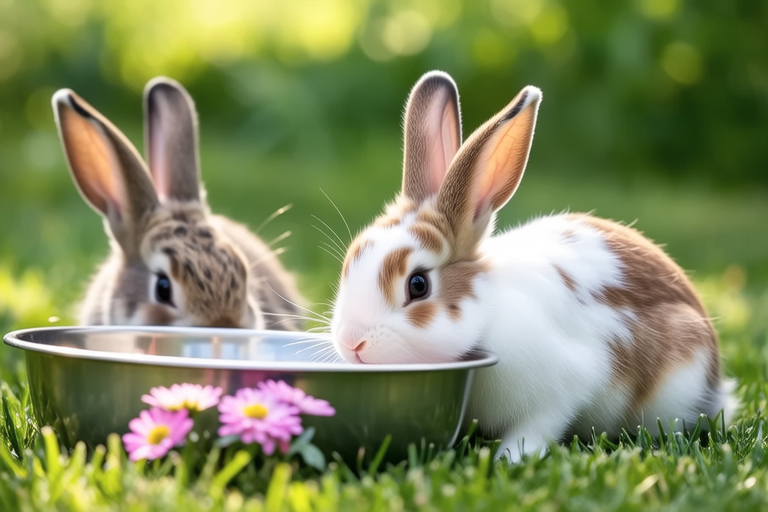
Adorable Lop Rabbits: The Ultimate Pet for Family Life
Lop rabbits are among the most popular breeds of domesticated rabbits due to their charming appearance and gentle temperament. With their long, floppy ears, these rabbits have captured the hearts of many pet enthusiasts. In this article, we will explore the unique characteristics of lop rabbits, their temperament, grooming needs, dietary requirements, space considerations, and how they integrate into family life. We will also provide tips for first-time rabbit owners and address common misconceptions about rabbit care.
The Unique Characteristics of Lop Rabbits
Lop rabbits are known for their distinctive, drooping ears that can reach lengths of up to 6 inches. These ears are not just a cosmetic feature; they help regulate the rabbit’s body temperature. There are several types of lop rabbits, including English Lops, French Lops, and Miniature Lops. Each type has its own set of physical traits, but all share the characteristic of having floppy ears.
English Lops are one of the largest breeds, with males weighing up to 12 pounds. They have longer ears compared to other lop breeds, which can measure over 20 inches in length. French Lops are also large, with males reaching weights of around 12 pounds. Miniature Lops, as the name suggests, are smaller, with adults typically weighing between 3 to 5 pounds. Despite their size differences, all lop rabbits have a calm demeanor and are generally easygoing.
Gentle Temperament
One of the reasons lop rabbits are so beloved is their gentle and affectionate nature. They are known for being patient and calm, making them ideal companions for children. Unlike some other rabbit breeds that may be more skittish or prone to sudden bursts of energy, lop rabbits tend to be more relaxed and less likely to jump or bite. This temperament makes them perfect for families with young children who might be learning to handle pets gently.
However, it’s important to note that while lop rabbits are generally docile, they still require proper socialization and handling from an early age. Like any animal, they can become stressed if not given enough attention or if they are handled roughly. Providing a safe and comfortable environment, along with regular interaction, will help ensure your lop rabbit remains happy and well-adjusted.
Grooming Needs
Grooming is an essential part of caring for a lop rabbit. Their long, floppy ears can accumulate dirt and debris, so it’s important to clean them regularly to prevent infections. Use a soft cloth or dampened cotton ball to gently wipe the inside of the ears. Be sure to check for any signs of redness, swelling, or discharge, which could indicate an infection.
In addition to ear cleaning, lop rabbits also need regular brushing to keep their coat healthy. Their fur is dense and can easily become matted if not properly maintained. Brushing your rabbit at least once a week will help remove loose hair and prevent matting. During shedding seasons, you may need to increase the frequency of brushing to several times a week.
While grooming is necessary, it’s equally important to handle your rabbit gently and patiently during these sessions. Many rabbits enjoy being brushed, but some may become anxious or uncomfortable. If your rabbit seems stressed, take breaks and try again later. Positive reinforcement, such as offering treats or praise, can help make grooming a more enjoyable experience for both you and your pet.
Dietary Requirements
A balanced diet is crucial for maintaining your lop rabbit’s health. The majority of their diet should consist of hay, which provides essential fiber for digestive health. Fresh grass hay, such as timothy hay, is recommended for adult rabbits, while younger rabbits may benefit from alfalfa hay. Hay should be available at all times and should make up approximately 80% of their diet.
In addition to hay, lop rabbits should have access to fresh vegetables daily. Leafy greens like romaine lettuce, spinach, and kale are excellent choices. Other vegetables, such as carrots and bell peppers, can be offered in moderation. It’s important to introduce new foods gradually to avoid upsetting your rabbit’s sensitive digestive system.
Treats should be given sparingly, as they can contribute to obesity and dental problems. If you choose to give your rabbit treats, opt for small pieces of fruit or specially formulated rabbit treats. Always consult with your veterinarian to determine the appropriate amount of treats for your rabbit based on their individual needs.
Space Considerations
When considering adopting a lop rabbit, it’s important to think about the living space you can provide. While lop rabbits are relatively low-maintenance compared to some other pets, they still require ample space to move around and exercise. A spacious indoor cage or hutch is recommended, with dimensions of at least 4 feet by 2 feet for a single rabbit. For multiple rabbits, you’ll need to increase the size accordingly.
In addition to their primary living space, lop rabbits also need time outside of their enclosure for exercise and mental stimulation. A designated area within your home or yard, free from hazards such as toxic plants or electrical cords, can serve as a safe play area. Supervise your rabbit during these times to ensure their safety and well-being.
Integrating Lop Rabbits into Family Life
Lop rabbits are highly adaptable and can easily fit into family life. Their gentle nature makes them ideal companions for households with children, as long as the children are taught how to handle them properly. Regular interaction and playtime can strengthen the bond between your rabbit and your family members.
Creating a routine for feeding, grooming, and playtime can help your rabbit feel secure and comfortable in their new environment. Consistency is key when integrating a new pet into your family, as it helps establish trust and predictability for your rabbit. Additionally, providing plenty of toys and enrichment activities can keep your rabbit mentally stimulated and entertained.
Tips for First-Time Rabbit Owners
If you’re new to rabbit ownership, there are several things to keep in mind to ensure your lop rabbit thrives:
- Research thoroughly: Before bringing a lop rabbit home, take the time to learn about their specific needs and behaviors. Understanding their dietary requirements, grooming needs, and exercise requirements will help you provide the best care possible.
- Prepare the environment: Set up a comfortable and safe living space for your rabbit before bringing them home. This includes providing a spacious cage, bedding, and toys. Ensure the area is free from potential hazards, such as wires or small objects that could be swallowed.
- Handle with care: When interacting with your rabbit, always approach them slowly and calmly. Allow them to get used to your presence before attempting to pick them up. Use two hands to support their body and avoid lifting them by their ears or scruff.
- Seek veterinary care: Regular visits to the veterinarian are essential for maintaining your rabbit’s health. Schedule annual check-ups and vaccinations, and don’t hesitate to seek professional advice if you notice any changes in your rabbit’s behavior or appearance.
Addressing Common Misconceptions About Rabbit Care
There are several myths and misconceptions surrounding rabbit care that can lead to improper treatment. Here are a few common ones and the truth behind them:
- Misconception: Rabbits are low-maintenance pets that don’t require much attention.
Truth: While rabbits may seem simple to care for at first glance, they actually have specific needs that must be met. Providing a proper diet, adequate space, and regular grooming are all essential for their well-being. - Misconception: Rabbits can live solely on pellets.
Truth: While commercial rabbit pellets can be a part of a balanced diet, they should not make up the entirety of a rabbit’s food intake. Hay and fresh vegetables are crucial for maintaining good health. - Misconception: Rabbits are nocturnal and prefer to be active at night.
Truth: Rabbits are crepuscular animals, meaning they are most active during dawn and dusk. However, they can adapt to different schedules, especially if they are provided with regular interaction and playtime.
By addressing these misconceptions and providing accurate information, we can ensure that lop rabbits receive the care they deserve and thrive in their new homes.
Conclusion
Lop rabbits are delightful pets that bring joy and companionship to many families. Their gentle nature, adaptability, and endearing appearance make them an excellent choice for those looking to adopt a new pet. By understanding their unique characteristics, dietary needs, and space requirements, you can provide your lop rabbit with a happy and healthy life. Remember to approach rabbit ownership with patience, consistency, and love, and you’ll be rewarded with a loyal and affectionate companion for years to come.
