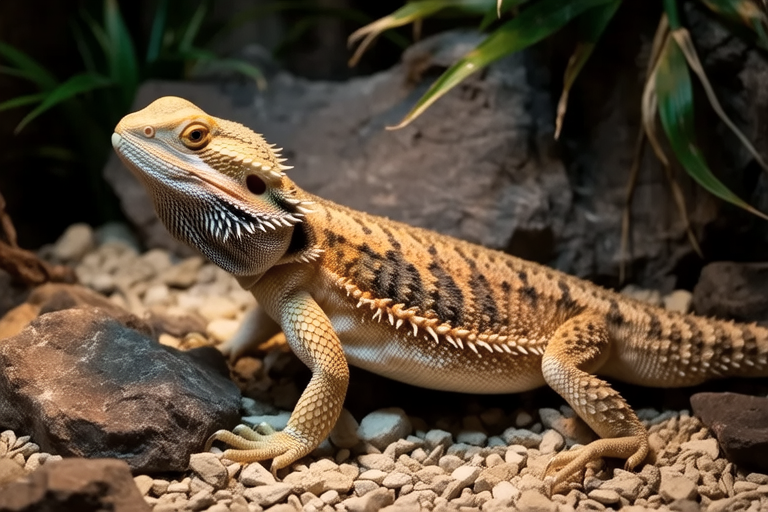
Bearded Dragon Care Made Easy: Expert Tips Every Owner Should Know
Introduction:
Bearded dragons have become one of the most popular reptile pets over the past few decades. Their docile nature, striking appearance, and manageable size make them ideal companions for both first-time and seasoned pet owners. Originating from the deserts and semi-arid regions of Australia, these lizards are known for their unique physical features, such as their expandable ‘beard’ and the ability to change color slightly to regulate their body temperature. As a result, bearded dragons are not only fascinating to observe but also relatively easy to care for when provided with the right environment and attention.
Habitat Setup:
Creating the right habitat is crucial for the well-being of your bearded dragon. A spacious enclosure, typically a glass terrarium or a custom-built cage, is necessary. The size of the enclosure depends on the age and size of your dragon; a baby or juvenile will need at least a 20-gallon tank, while an adult requires a 40-gallon or larger one. The tank should include a substrate that is safe for ingestion, such as reptile carpet or newspaper, to prevent impaction. Avoid using sand or small gravel as substrates, as they can pose a choking hazard. Additionally, ensure there are branches, rocks, and hides for climbing, basking, and resting. These elements not only provide comfort but also stimulate natural behaviors.
Temperature and Lighting Requirements:
Temperature regulation is vital for your bearded dragon’s health. They are ectothermic, meaning they rely on external sources to regulate their body temperature. Install a heat lamp on one side of the enclosure to create a basking spot with temperatures between 95°F and 110°F (35°C to 43°C). On the cooler side, maintain temperatures around 75°F to 85°F (24°C to 29°C). Use a thermometer to monitor these temperatures accurately. Additionally, UVB lighting is essential for calcium absorption and overall health. A high-quality UVB bulb should be placed within 12 inches of the basking area, providing 10% to 12% UVB intensity. Replace the bulb every six months to ensure it remains effective.
Diet and Feeding Schedules:
The diet of a bearded dragon consists primarily of insects and vegetables. Juvenile dragons require more protein from insects like crickets, dubia roaches, and mealworms. Offer these daily, ensuring the insects are no larger than the space between the dragon’s eyes to prevent choking. Gradually increase the proportion of vegetables as the dragon matures. Suitable vegetables include collard greens, dandelion greens, squash, and carrots. Dust the insects and vegetables with a calcium supplement twice weekly and a multivitamin once a week to ensure proper nutrition. Feed your bearded dragon during the morning hours, allowing time for digestion before evening.
Tips on Handling:
Bearded dragons can be gentle and enjoy interaction, but they require gentle handling. Always support their entire body when holding them, especially their belly and tail. Start by placing your hand under their chest and gently lift. Encourage them to step onto your hand rather than grabbing them. Be patient and let them get used to your touch. Frequent, gentle handling will help your bearded dragon become comfortable with you and less stressed during interactions.
Common Health Issues and Signs of Illness:
Like any pet, bearded dragons can suffer from various health issues. Respiratory infections, metabolic bone disease, and parasites are among the most common. Signs of illness include lethargy, loss of appetite, discharge from the nose or mouth, swollen limbs, and difficulty moving. Regularly inspect your dragon’s skin for cuts, abrasions, or unusual bumps. If you notice any concerning symptoms, consult a veterinarian specializing in reptiles immediately. Early intervention is crucial for successful treatment.
Social Interaction and Enrichment Activities:
While bearded dragons are generally solitary creatures, they can benefit from social interaction and environmental enrichment. Spend quality time with your dragon daily, offering treats and gentle handling. Introduce novel objects, such as different types of branches or hiding spots, to stimulate their curiosity and exploration. Rotate these items periodically to maintain interest. Interactive toys, such as small balls or bells, can also engage their senses and encourage movement. Providing a variety of experiences helps keep your bearded dragon mentally stimulated and physically active.
Regular Veterinary Check-Ups and Continuous Learning:
Annual veterinary check-ups are essential for maintaining your bearded dragon’s health. A reptile specialist can perform comprehensive exams, address any concerns, and provide guidance on care practices. Stay informed about advancements in bearded dragon care by joining online forums, attending workshops, and reading reputable books and articles. Responsible ownership involves continuous learning and adapting to new information. By staying proactive, you ensure your bearded dragon enjoys a long, healthy life.
