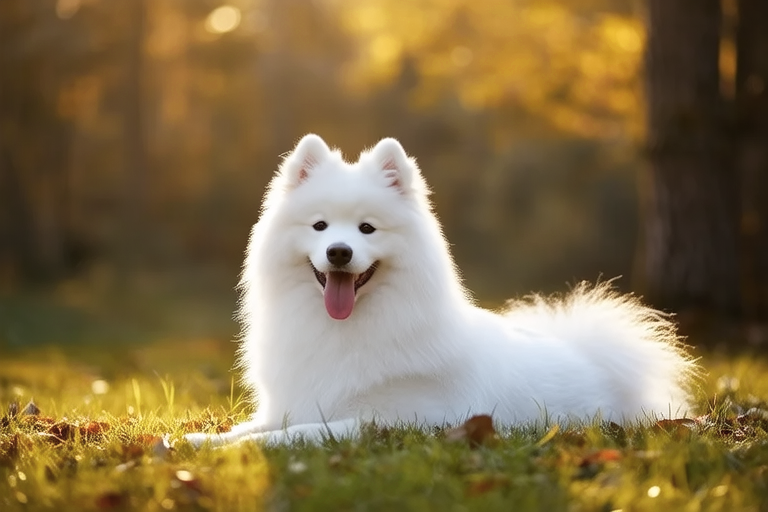
The Ultimate Guide to Caring for Your Lovable Samoyed
Samoyeds are known for their striking white coats and gentle, affectionate natures. These dogs were originally bred by the nomadic Samoyede people of Siberia for herding reindeer and pulling sleds. Today, they make excellent family pets due to their loyalty and playful demeanor. However, like any breed, Samoyeds have specific care requirements that need to be understood and met to ensure they live long, healthy lives. This guide will cover everything from diet and exercise to grooming, health considerations, training, and socialization.
Diet: Nourishing Your Samoyed
Feeding your Samoyed a balanced diet is crucial for maintaining their energy levels and overall health. These dogs are prone to weight gain, so it’s important to monitor portion sizes carefully. High-quality dog food that is appropriate for their age (puppy, adult, or senior) should be chosen. Consult with your veterinarian about the best type of food and the amount to feed your Samoyed. Avoid overfeeding, as obesity can lead to serious health issues such as joint problems and diabetes. Additionally, ensure fresh water is always available, especially during warmer months when they might drink more frequently.
Exercise: Keeping Your Samoyed Fit and Happy
Samoyeds are energetic dogs that require regular physical activity to stay healthy. They thrive on activities that challenge both body and mind, making them ideal candidates for sports like agility trials or obedience competitions. Daily walks of at least 30 minutes are recommended, but these dogs can handle much longer hikes if given the opportunity. Interactive play sessions in the yard or park can also help burn off excess energy. Remember, mental stimulation is just as important as physical exercise; puzzle toys or games that encourage problem-solving can keep your Samoyed engaged and mentally sharp.
Grooming: Maintaining That Fluffy Coat
A Samoyed’s thick double coat requires frequent brushing to prevent matting and remove loose hair. Brushing should occur several times per week, increasing to daily during shedding seasons. A slicker brush works well for removing dead fur while keeping the undercoat clean. Bathing should only be done when necessary since frequent washing can strip natural oils from the skin. Use a mild shampoo specifically formulated for dogs, and rinse thoroughly to avoid irritation. Regular nail trimming and ear cleaning are also important aspects of grooming to maintain good hygiene.
Health Considerations: Staying Ahead of Potential Issues
Like all breeds, Samoyeds are susceptible to certain genetic disorders. Common health concerns include hip dysplasia, progressive retinal atrophy (PRA), and hypothyroidism. Regular veterinary check-ups are essential for early detection and management of these conditions. Early signs of illness may include changes in appetite, unusual behavior, or physical discomfort. Prompt attention to these symptoms can improve outcomes significantly. Additionally, spaying or neutering your Samoyed can reduce the risk of some cancers and other reproductive system diseases.
Training Methods: Teaching Your Samoyed Good Habits
Samoyeds are intelligent and eager to please, which makes them relatively easy to train. Positive reinforcement techniques such as treats, praise, and play are effective tools for teaching commands and desired behaviors. Consistency is key; using the same words and rewards each time helps reinforce learning. Basic obedience training should begin early, covering commands like sit, stay, come, and heel. Advanced training can include tricks or participation in canine sports. Socialization from puppyhood is vital for developing well-adjusted adult dogs who are comfortable around different people, animals, and environments.
Socialization Needs: Fostering a Friendly Nature
Samoyeds are naturally sociable and enjoy being part of the family. They tend to get along well with children and other pets when properly introduced. Early socialization experiences help create a confident and friendly temperament. Expose your Samoyed puppy to various stimuli under controlled circumstances, gradually increasing exposure over time. This includes meeting new people, visiting different places, and encountering other animals. Proper socialization ensures your Samoyed grows up to be a well-rounded companion who feels comfortable in diverse situations.
Common Challenges and Solutions
One common challenge many Samoyed owners face is excessive barking. This breed tends to bark when excited or bored. To address this issue, provide plenty of mental and physical stimulation throughout the day. Training sessions, interactive toys, and outdoor activities can help channel pent-up energy into productive outlets. Another frequent concern is separation anxiety. Establishing a routine and providing comfort items like familiar blankets or toys can ease stress when you’re away. Crate training may also be beneficial if done correctly, ensuring your Samoyed has a safe space to relax.
Handling shedding effectively is another important aspect of owning a Samoyed. While regular brushing helps manage loose hairs, vacuuming regularly and using lint rollers on furniture can further minimize messes indoors. During heavy shedding periods, consider wearing old clothes or using protective covers on upholstery.
Conclusion
Caring for a Samoyed is a rewarding experience filled with love and companionship. By understanding their dietary needs, providing ample exercise opportunities, maintaining proper grooming routines, addressing potential health issues promptly, employing effective training methods, and fostering strong social bonds, you can ensure your Samoyed leads a happy and healthy life. With patience, dedication, and affection, you’ll form an unbreakable bond with one of nature’s most beautiful and lovable creatures.
