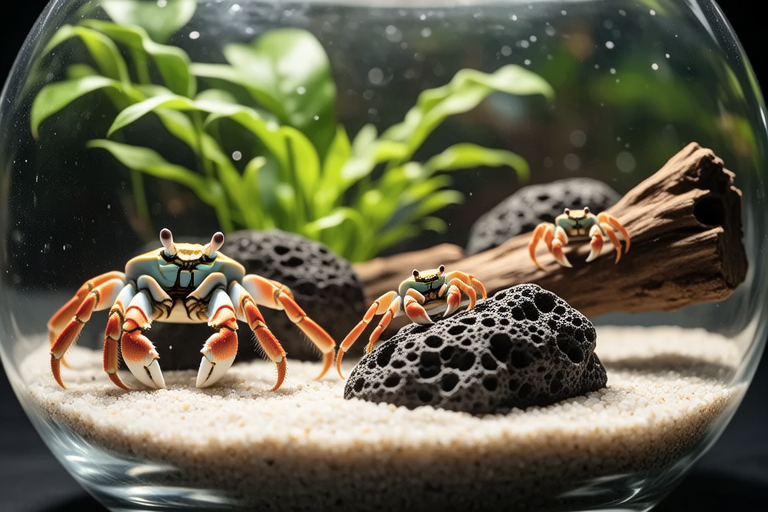
DIY Hermit Crab Habitat: How to Create the Perfect Shell Sanctuary at Home
Welcome to your ultimate guide on creating the perfect habitat for your hermit crabs! Whether you’re a seasoned pet owner or a first-time keeper, this comprehensive guide will walk you through every step of building a safe, comfortable, and stimulating environment for your crustacean companions. By following these guidelines, you’ll ensure that your hermit crabs thrive in their new home.
I. Introduction to Hermit Crabs
Hermit crabs are fascinating creatures that can make wonderful pets when cared for properly. They are social animals that require interaction with other hermit crabs and a stimulating environment. Providing them with the right habitat is crucial for their health and happiness.
II. Essential Elements for a Hermit Crab Habitat
A. Substrate Type and Depth
The substrate, or bedding material, is an essential part of your hermit crab’s habitat. It serves multiple purposes, including providing a place for them to dig and burrow, helping to maintain humidity levels, and offering a surface for molting. The ideal substrate for hermit crabs is a mixture of calcium-rich sand and coconut fiber. This combination provides the necessary nutrients for their exoskeletons while also retaining moisture. The substrate should be at least 4-6 inches deep to allow ample space for digging and burrowing.
B. Temperature and Humidity Requirements
Hermit crabs are tropical animals and require specific temperature and humidity conditions to thrive. The optimal temperature range for hermit crabs is between 75°F and 85°F (24°C to 29°C). To maintain this temperature, you can use a heat lamp or under-tank heater. A digital thermometer placed inside the enclosure will help you monitor the temperature accurately. Additionally, hermit crabs need high humidity levels, ideally between 70% and 80%. You can achieve this by misting the enclosure daily and using a hygrometer to measure the humidity levels. A humidifier or dehumidifier may also be necessary depending on your local climate.
C. Appropriate Decorations Including Various Shells
In addition to the substrate, your hermit crab’s habitat should include various shells for them to explore and potentially switch out. Hermit crabs naturally swap shells as they grow, so providing a variety of sizes and shapes will keep them engaged and happy. You can find suitable shells at pet stores or online retailers. Make sure the shells are clean and free from any harmful chemicals. Additionally, consider adding other decorations such as driftwood, rocks, and plants to create a more naturalistic environment. These items not only provide hiding spots but also stimulate your hermit crabs’ curiosity and encourage exploration.
D. Water Dishes Setup
Water is essential for hermit crabs, both for drinking and soaking. You should provide two types of water dishes: one for freshwater and one for saltwater. The freshwater dish should be shallow enough for your hermit crabs to easily access it without drowning. Change the water daily to prevent bacterial growth. For the saltwater dish, use marine aquarium salt mixed with distilled or dechlorinated water. Ensure the salt concentration is between 1.020 and 1.025 specific gravity. The saltwater dish should also be shallow and changed regularly. Both dishes should be cleaned thoroughly to maintain hygiene.
E. Lighting Needs
While hermit crabs don’t require direct sunlight, they do benefit from a light source that simulates day and night cycles. A full-spectrum UVB light is recommended, as it helps regulate their circadian rhythms and promotes overall well-being. Place the light over one side of the enclosure to create a gradient of light intensity, allowing your hermit crabs to choose their preferred level of light exposure. Remember to turn off the light at night to mimic natural day-night cycles.
III. Maintaining a Healthy Environment
A. Regular Cleaning and Maintenance
To keep your hermit crabs’ habitat clean and healthy, perform regular maintenance tasks. Spot clean the enclosure daily by removing any uneaten food, waste, or shed exoskeletons. Deep clean the entire habitat every two weeks, replacing the substrate and thoroughly cleaning all decorations and dishes. This prevents the buildup of harmful bacteria and ensures a fresh environment for your hermit crabs.
B. Feeding and Nutrition
Hermit crabs are omnivores and require a balanced diet consisting of proteins, carbohydrates, and fats. Offer a variety of foods such as fruits, vegetables, commercial hermit crab pellets, and occasional treats like small pieces of fish or shrimp. Avoid feeding them processed human foods or foods high in sugar. Place food in shallow dishes and remove any uneaten food after a few hours to prevent spoilage.
C. Handling and Interaction
Although hermit crabs are relatively low-maintenance pets, they still enjoy interaction with their owners. Handle your hermit crabs gently, using both hands to support their shell. Avoid grabbing them by the legs or antennae, as this can cause injury. Spend time observing and interacting with your hermit crabs to build trust and strengthen your bond.
IV. Common Issues and Troubleshooting
A. Molting Problems
Molting is a natural process where hermit crabs shed their exoskeletons to grow. During this time, they become very vulnerable and require special care. If your hermit crab is molting, provide extra humidity and a dark, quiet spot for them to complete the process undisturbed. Avoid handling or moving the crab during this time. Once the molt is complete, you may notice a white, soft exoskeleton. Leave it in the enclosure for a few days to allow the new exoskeleton to harden fully.
B. Shell Fighting
Shell fighting is a common behavior among hermit crabs, especially when there are limited shell options available. To prevent shell fighting, provide a wide variety of shells in different sizes and shapes. If shell fighting becomes a persistent issue, consider increasing the number of shells in the enclosure or introducing new shells to refresh interest.
C. Illness and Injury
If you notice any signs of illness or injury in your hermit crabs, such as lethargy, loss of appetite, or visible wounds, consult a veterinarian specializing in exotic pets. Early intervention can prevent more serious health issues. Regularly inspect your hermit crabs for any abnormalities and address any concerns promptly.
V. Conclusion
By following this comprehensive guide, you’ll be well-equipped to create a thriving habitat for your hermit crabs. Remember that each hermit crab is unique, and it may take some time to fine-tune their environment to meet their specific needs. With patience, care, and attention to detail, you’ll provide your hermit crabs with a safe, comfortable, and stimulating home where they can flourish.
