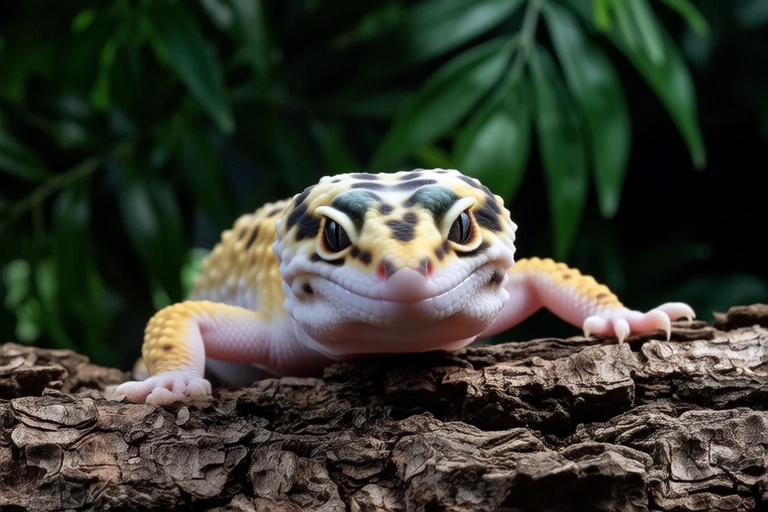
How to Train Your Chameleon: Tips from Expert Pet Owners
Welcome to the fascinating world of chameleon care! These unique reptiles have captivated pet enthusiasts for generations with their vibrant colors and quirky behaviors. Training your chameleon isn’t about teaching them tricks like you would a dog or cat; it’s more about understanding their behavior, providing a stimulating environment, and ensuring they receive proper nutrition. This guide will walk you through the essential steps to become an informed and successful chameleon owner.
Understanding Chameleon Behavior
Chameleons are solitary creatures that prefer privacy. They’re known for their ability to change color, which serves multiple purposes including communication, temperature regulation, and camouflage. Male chameleons often display bright colors during mating rituals or when asserting dominance, while females may change color to signal readiness to mate or stress.
It’s crucial to observe your chameleon’s natural behaviors. They’re arboreal animals, meaning they spend most of their time in trees. Providing branches and vines in their enclosure mimics their natural habitat and encourages climbing, which is vital for their physical health.
Basic Handling Techniques
Handling your chameleon should be done carefully and infrequently. Unlike some other pets, chameleons don’t enjoy being held or petted. Over-handling can cause stress and even lead to health issues.
- Gentle Approach: When you need to handle your chameleon, do so gently. Support its body fully with both hands, ensuring that all four feet are supported. Never grab your chameleon by the tail as this can result in it breaking off.
- Minimize Frequency: Limit handling sessions to no more than once a week. Always ensure that your chameleon is awake and alert before attempting to handle it.
- Use a Hook: For feeding or moving your chameleon within its enclosure, consider using a long, soft-tipped hook. This allows you to interact without stressing your pet.
Environmental Enrichment
Creating a stimulating environment is key to keeping your chameleon happy and healthy. Start by setting up an enclosure that closely resembles their natural habitat. This includes:
- Branches and Vines: Provide plenty of sturdy branches for climbing. Ensure there’s enough space for your chameleon to move around comfortably.
- Hiding Spots: Offer several hiding spots to give your chameleon places to retreat when feeling stressed.
- Plants: Live plants not only add aesthetic value but also help maintain humidity levels and provide a sense of security for your chameleon.
- UV Lighting: A full-spectrum UVB light is essential for calcium absorption and overall health. Replace the bulb every six months to ensure effectiveness.
Regularly rotating toys and adding new elements to the enclosure can prevent boredom and encourage exploration. Remember, chameleons are territorial, so introducing new items gradually helps minimize stress.
Diet Training
Feeding your chameleon correctly is one of the most important aspects of care. Their diet consists mainly of insects, though they occasionally eat plant matter. Here are some tips for feeding:
- Live Insects: Feed your chameleon a variety of insects such as crickets, dubia roaches, and mealworms. Dust these insects with calcium and vitamin D3 powders to ensure proper nutrition.
- Frequency: Young chameleons require daily feedings, while adults can be fed every two days. Offer as many insects as your chameleon will consume in 10-15 minutes.
- Watering: Chameleons drink water droplets from leaves. Mist their enclosure twice a day or use a drip system to ensure they stay hydrated.
- Vegetables: While not a staple, some chameleons enjoy leafy greens like collard greens, mustard greens, and dandelion greens. Introduce these slowly and monitor for any digestive issues.
Gradually introduce new food items to see what your chameleon prefers. Some chameleons may develop specific preferences over time.
Common Mistakes to Avoid
Even experienced chameleon owners sometimes make mistakes. Here are some pitfalls to watch out for:
- Overhandling: As mentioned earlier, chameleons don’t enjoy being handled frequently. Excessive handling can cause stress and potentially lead to health problems.
- Inadequate Heating: Chameleons need a warm basking spot and cooler areas within their enclosure. Ensure that the temperature gradient is appropriate for your chameleon’s species.
- Poor Hydration: Dehydration is a common issue among chameleons. Regular misting and the presence of water droplets on leaves are crucial.
- Improper Diet: Feeding an unvaried diet lacking in necessary nutrients can lead to malnutrition. Always research the specific dietary needs of your chameleon’s species.
- Lack of Environmental Enrichment: Without stimulation, chameleons can become bored and inactive. Regularly rotate toys and rearrange the enclosure to keep things interesting.
By avoiding these common errors, you’ll create a healthier, happier living environment for your chameleon.
Conclusion
Raising a chameleon requires dedication and knowledge. By understanding their behavior, using proper handling techniques, enriching their environment, and ensuring a balanced diet, you can provide the best possible care for your pet. Remember, each chameleon is unique, so pay attention to your pet’s individual needs and adjust care accordingly. With patience and the right approach, you and your chameleon can enjoy a fulfilling relationship.
