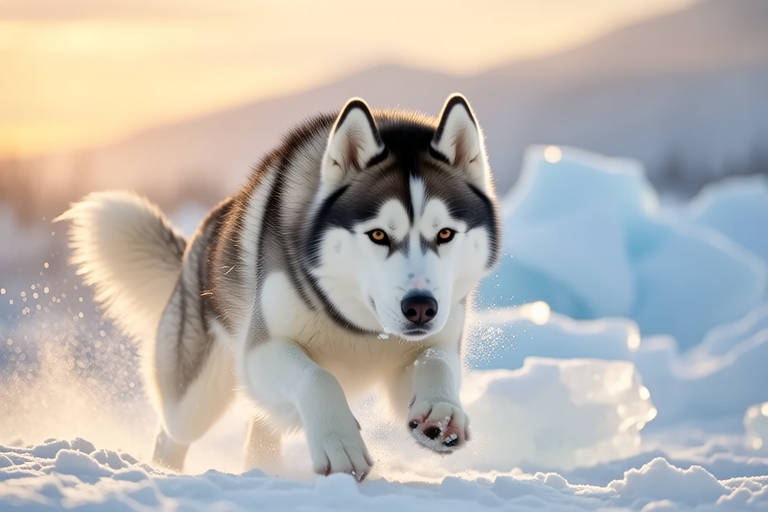
The Siberian Husky’s Epic Journey: From Sled Dog to Family Companion
The Siberian Husky is a breed that has captivated hearts and minds for centuries. Originally bred by the Chukchi people of Northeastern Asia, these dogs have evolved from working sled dogs to beloved family companions. Their journey from the icy lands of Siberia to the living rooms of families around the world is a testament to their resilience, loyalty, and adaptability.
Origins and Early Role
The Siberian Husky was first developed by the Chukchi people, who needed a dog capable of pulling heavy loads over long distances in harsh conditions. These dogs were essential for transportation and hunting, often working in temperatures as low as -60 degrees Fahrenheit. The Chukchi people valued the Siberian Husky for its endurance, speed, and ability to thrive on minimal food.
The Siberian Husky’s history as a working dog dates back thousands of years, with evidence suggesting they were used by the Chukchi people for both transportation and hunting. They were known for their ability to pull sleds loaded with supplies and passengers across vast distances, often covering up to 100 miles a day. In addition to their transportation duties, Siberian Huskies were also used to hunt seals and other game, making them invaluable to the Chukchi way of life.
Introduction to Alaska and Beyond
In the early 20th century, Siberian Huskies were introduced to Alaska, where they quickly became popular among native Alaskans and newcomers alike. The breed’s ability to withstand extreme cold and cover long distances made it ideal for mushers (sled drivers) participating in long-distance races. The most famous of these races is the Iditarod Trail Sled Dog Race, which commemorates the 1925 serum run to Nome.
The serum run to Nome is one of the most celebrated events in the history of sled dogs. In 1925, a diphtheria epidemic threatened the city of Nome, Alaska. With no road access to the city, the only way to transport the much-needed serum was by sled dog relay. Teams of Siberian Huskies raced against time, braving blizzards and treacherous terrain to deliver the life-saving medicine. This heroic effort not only saved countless lives but also brought national attention to the breed.
Transition to Family Pets
As the popularity of dog sledding waned, many Siberian Huskies found themselves transitioning from working dogs to family pets. Today, they are cherished companions in homes all over the world. Their physical characteristics, such as thick fur, muscular build, and striking blue or multi-colored eyes, make them stand out. However, their unique temperament and training needs must be considered before adopting one.
Siberian Huskies are known for their independent nature, which can sometimes lead to stubbornness. They require consistent training and socialization from a young age to ensure they grow into well-behaved adults. Their strong prey drive and tendency to wander off make it essential to keep them in enclosed areas when outside. Despite their independent streak, Siberian Huskies are loyal and affectionate with their families, forming strong bonds with their human companions.
Health Considerations
While Siberian Huskies are generally healthy, they are prone to certain genetic health issues. Hip dysplasia, a condition where the hip joint doesn’t fit properly into the socket, is common in large breeds like the Siberian Husky. Progressive retinal atrophy (PRA), a degenerative eye disease, can also affect some individuals. Regular veterinary check-ups and a balanced diet are crucial for maintaining the health of a Siberian Husky.
Modern Pet Behavior
The historical work ethic of the Siberian Husky translates into modern pet behavior in several ways. Their endurance and stamina mean they require plenty of exercise to stay happy and healthy. A daily walk or jog, along with opportunities for play, is essential. Their intelligence also means they enjoy mental stimulation, whether through puzzle toys or interactive games.
Siberian Huskies are also known for their vocalizations. They may howl, bark, or whine to communicate, so training to discourage excessive noise is important. Their strong sense of smell can lead to digging, so providing them with appropriate outlets for this natural behavior, such as a designated digging area, is advisable.
Tips for Potential Owners
For those considering adopting a Siberian Husky, there are several factors to keep in mind. First, ensure you have the time and resources to provide the exercise and mental stimulation they need. Siberian Huskies are not suited for apartment living unless you can provide ample outdoor space.
Training should begin early and be consistent. Positive reinforcement methods, such as treats and praise, are effective for encouraging good behavior. Socialization with other dogs and people is also important to help your Siberian Husky develop into a well-rounded companion.
Lastly, consider the breed’s lifespan and potential health issues when making the decision to adopt. Siberian Huskies typically live between 12 and 14 years, and being aware of their specific health concerns can help you prepare for any challenges that may arise.
The Siberian Husky’s journey from the frozen tundras of Siberia to the cozy corners of family homes is a remarkable tale of adaptation and love. Their enduring spirit and loyalty make them a cherished part of many households today. By understanding their history, needs, and characteristics, potential owners can ensure their Siberian Husky leads a fulfilling and joyful life.
