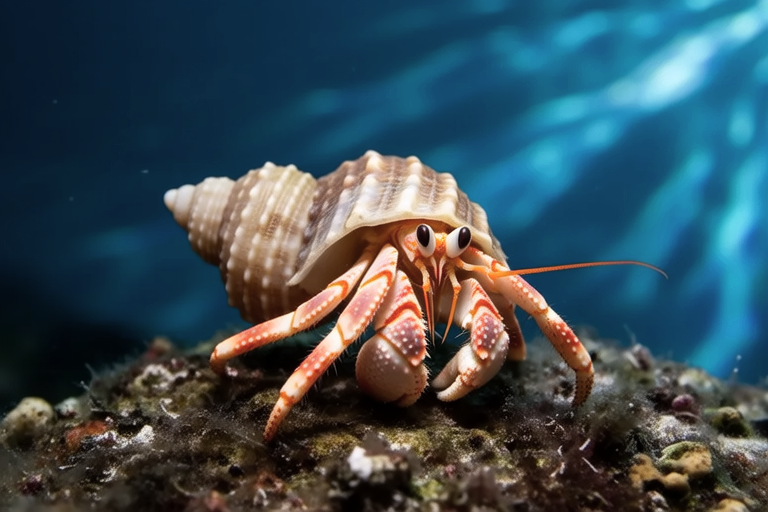
From Tiny Shell to Big Heart: The Fascinating World of Hermit Crabs
Welcome to the captivating world of hermit crabs, one of the most intriguing creatures in the marine realm. These small crustaceans have garnered attention not only due to their peculiar appearance but also because of their fascinating relationship with shells. This article will delve into the life of hermit crabs, exploring their habitats, anatomy, lifecycle, social behaviors, and their significance in the ecosystem. We’ll also provide some essential tips for those who might be considering these charming creatures as pets.
The Unique Relationship with Shells
Hermit crabs are known for their close association with empty mollusk shells. Unlike other crabs that have hard exoskeletons protecting their entire bodies, hermit crabs have soft, vulnerable abdomens. To safeguard this delicate part, they adopt discarded snail shells as mobile homes. As they grow, they must periodically find larger shells to accommodate their expanding size, a process that can be both challenging and competitive.
Hermit crabs come in various species, each adapted to different environments. Some prefer the bustling coral reefs, where they scuttle among vibrant corals and colorful fish, while others thrive in sandy beaches or mangrove swamps. Their diverse habitats range from tropical to temperate regions, making them a widespread and adaptable species.
Anatomy and Protection
The anatomy of a hermit crab is designed for survival in its challenging environment. With their long antennae, they can detect potential threats or food sources from afar. Their claws, one typically larger than the other, serve multiple purposes. The smaller claw is used for feeding and grooming, while the larger claw acts as a shield, blocking their soft abdomen from predators when they retreat into their shell.
Inside the shell, hermit crabs have a series of appendages called pereopods, which help them move around inside their home. When threatened, they can retract completely into the shell, leaving only their claws visible. This defensive posture allows them to avoid becoming prey to larger marine animals.
Lifecycle and Challenges
The lifecycle of a hermit crab begins as a tiny larva, floating in the ocean’s currents. These larvae, known as zoea, undergo several molts before transforming into a more recognizable crab-like form called a megalopa. During this stage, they still rely on the ocean’s currents to transport them to suitable habitats.
Once they reach the shore, the hermit crab must find a suitable shell immediately. This is a critical moment in their development, as the lack of adequate protection can lead to predation. As they mature, they face the challenge of outgrowing their shells and finding new ones. This process can be fraught with competition, as many hermit crabs may vie for the same shell.
Social Behaviors and Community Interactions
Despite their solitary nature, hermit crabs exhibit complex social behaviors. They often gather in large groups, especially during mating season. Males engage in elaborate displays to attract females, showcasing their fitness and shell quality. After mating, females carry fertilized eggs under their abdomens until they hatch.
Hermit crabs also engage in shell swapping, a behavior where they trade shells with each other. This cooperative activity ensures that all members of the group have appropriate housing, promoting overall health and survival.
Role in the Ecosystem
Hermit crabs play a vital role in their ecosystems. By scavenging dead organisms, they contribute to nutrient cycling and help maintain the balance of their environments. Additionally, their presence in coral reefs can influence the behavior of other species, creating a dynamic and interconnected web of life.
Pet Care Tips
If you’re considering hermit crabs as pets, it’s important to understand their needs and ethical considerations. Providing a spacious tank with a variety of shells is crucial, as hermit crabs need options to choose from as they grow. The substrate should mimic their natural habitat, offering places to burrow and explore.
Feeding hermit crabs is straightforward; they enjoy a diet rich in vegetables, fruits, and proteins. However, ensure that any food provided is free from pesticides and chemicals. Regular water changes are necessary to maintain clean living conditions, and monitoring humidity levels is key, as hermit crabs require moist environments.
Ethical considerations are paramount when keeping hermit crabs. Always purchase from reputable breeders to avoid contributing to wild populations’ depletion. Additionally, consider the environmental impact of your choices and strive to create a sustainable pet-care practice.
In conclusion, hermit crabs are not just fascinating creatures but also essential components of marine ecosystems. Understanding their unique biology, behavior, and challenges can deepen our appreciation for these tiny beings with big hearts. Whether you’re captivated by their intricate lives or simply curious about marine biodiversity, hermit crabs offer a window into the wonders of the underwater world.
