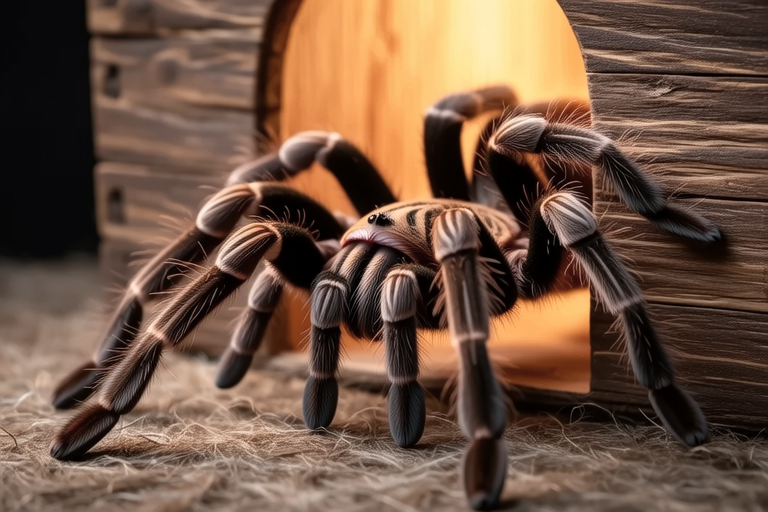
From Pet Store to Pillow: The Cozy Life of a Chilean Rose Tarantula
Welcome to the tranquil world of the Chilean Rose tarantula, a species that has captured the hearts of many arachnophiles. This article will guide you through the journey of bringing a Chilean Rose tarantula from a bustling pet store to its cozy new home. We’ll explore the unique care requirements, delve into their fascinating personalities, and provide essential tips for setting up an ideal habitat. Along the way, we’ll debunk common misconceptions about tarantulas as pets and highlight the rewarding aspects of caring for one of these captivating creatures.
The Journey Begins: Choosing Your New Companion
Walking into a pet store, you’re greeted by rows of tanks, each housing different species of reptiles, amphibians, and arachnids. Among them, the Chilean Rose tarantula stands out with its gentle demeanor and striking appearance. These tarantulas, scientifically known as Grammostola rosea, are native to the dry regions of Chile, Argentina, and Bolivia. They are named for their soft pink hue when they first emerge from their egg sacs, which gradually darkens as they mature.
When selecting your tarantula, it’s crucial to choose a healthy individual. Look for a tarantula that is active, with no signs of mites or other parasites. The exoskeleton should be intact, without any tears or missing hairs. A healthy tarantula will also have a full abdomen and be responsive to stimuli. If possible, ask the pet store staff for advice and observe how the tarantula behaves in its enclosure. A well-cared-for tarantula will likely be more comfortable and easier to handle once you bring it home.
Creating a Cozy Home: Setting Up the Ideal Habitat
Once you’ve chosen your new companion, it’s time to create a cozy home for your Chilean Rose tarantula. The key to a successful setup is to replicate its natural habitat as closely as possible. Start by selecting an appropriate enclosure. A glass tank with a secure lid is ideal, as it provides excellent visibility and prevents escapes. The size of the enclosure should be proportional to the tarantula’s size, typically around 10 gallons for an adult.
Inside the enclosure, add a substrate layer. Coconut fiber or a mix of soil and peat moss works well, providing a natural and absorbent base. The substrate should be at least 3-4 inches deep to allow for burrowing. Provide hiding spots such as cork bark or small caves, which are essential for the tarantula’s sense of security. Additionally, include a shallow water dish for hydration, and ensure the enclosure has good ventilation to maintain proper humidity levels.
Maintaining the right temperature and humidity is critical for your tarantula’s health. Chilean Rose tarantulas thrive in temperatures between 75°F and 85°F (24°C to 29°C) during the day, with slight drops at night. Humidity levels should be kept between 60% and 80%. You can achieve this by misting the enclosure regularly or using a humidifier. It’s important to monitor these conditions closely, especially if you live in an area with extreme weather conditions.
The Unique Care Requirements of a Chilean Rose Tarantula
Caring for a Chilean Rose tarantula is relatively straightforward, but there are some unique considerations to keep in mind. Unlike many other pets, tarantulas don’t require daily feeding. In fact, overfeeding can lead to health issues. Feed your tarantula once every 7 to 10 days, offering appropriately sized prey such as crickets or mealworms. Remove any uneaten prey after a few hours to prevent them from biting or stressing your tarantula.
Handling your tarantula requires patience and gentleness. Always wash your hands before and after handling to avoid transferring oils or chemicals. Gently place your hand near the front of the enclosure and allow the tarantula to climb onto your hand. Avoid grabbing or pinching, as this can cause stress or injury. With regular handling, most Chilean Rose tarantulas become accustomed to human interaction and can be quite docile.
Beyond the Misconceptions: Understanding the True Nature of Tarantulas
Tarantulas often carry a reputation for being aggressive or dangerous, but this couldn’t be further from the truth. While they are capable of defending themselves, Chilean Rose tarantulas are generally calm and docile. Their primary defense mechanism is their ability to shed hairs from their abdomen, which can irritate the skin or eyes of predators. However, these hairs rarely pose a significant threat to humans, especially when handled properly.
Another misconception is that tarantulas require constant attention. In reality, these spiders are solitary creatures that prefer quiet and solitude. They are not social animals like dogs or parrots, so they don’t need frequent interaction or playtime. Instead, they appreciate a stable environment where they can feel safe and comfortable. By providing a well-maintained habitat, you can ensure your tarantula remains healthy and content.
The Rewarding Aspects of Caring for a Chilean Rose Tarantula
Despite the unique care requirements, owning a Chilean Rose tarantula can be incredibly rewarding. Watching your tarantula grow and thrive in its new home is a deeply satisfying experience. Many owners find that the tranquility and serenity these creatures bring into their homes are unmatched by other pets. The slow, deliberate movements of a tarantula can be mesmerizing, and observing their behaviors can be a meditative experience.
Additionally, caring for a tarantula can foster a deeper appreciation for nature and wildlife. Learning about the specific needs and behaviors of your pet can expand your knowledge and understanding of the animal kingdom. It’s also a great opportunity to teach children about responsibility and respect for living creatures. With proper care, a Chilean Rose tarantula can live for 15 to 20 years, making it a long-term companion and a source of joy for many years to come.
Conclusion: Embracing the Tranquility of Your New Companion
Bringing a Chilean Rose tarantula into your home is a decision that can lead to a rewarding and enriching experience. From the moment you bring your new companion home, you embark on a journey of discovery and connection. By understanding their unique care requirements, creating a cozy habitat, and embracing their gentle nature, you can provide a loving home for your tarantula.
Remember, owning a tarantula is not just about having a pet; it’s about fostering a relationship built on trust, respect, and mutual understanding. As you settle into life with your new companion, you’ll find that the tranquility and coziness they bring into your home are truly unmatched. Welcome to the world of the Chilean Rose tarantula—where tranquility and companionship meet.
