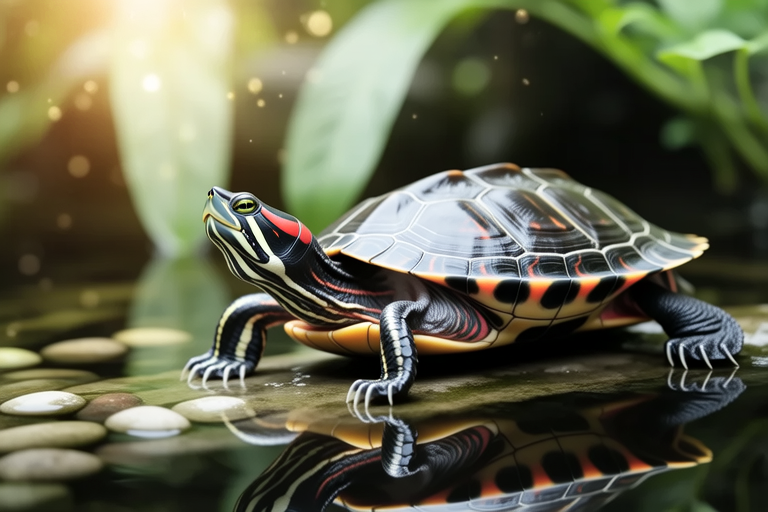
The Ultimate Guide: Caring for Red-eared Sliders Like a Pro
Red-eared sliders are one of the most popular pet turtles due to their hardiness and relatively easy care requirements. However, providing the best care for these reptiles requires a comprehensive understanding of their needs. This guide will walk you through setting up the perfect habitat, ensuring proper nutrition, maintaining good health, handling your turtle correctly, and enriching its environment.
Habitat Setup
The first step in caring for your red-eared slider is creating an appropriate living space that mimics their natural environment as closely as possible.
Tank Size
For a single adult red-eared slider, a tank with at least 40 gallons of water is recommended. The rule of thumb is to provide approximately 10 gallons per inch of shell length. Juveniles can start in smaller tanks but will need more space as they grow.
Water Quality
Maintaining clean water is crucial for the health of your turtle. Regular partial water changes (about 25% weekly) help remove waste products and maintain stable water parameters. Invest in a reliable water testing kit to monitor pH levels, ammonia, nitrite, and nitrate concentrations regularly.
Filtration
A strong filter is necessary to keep the water clean. Choose a filter designed for fish tanks, ensuring it provides adequate flow rate and mechanical, biological, and chemical filtration. Additionally, consider adding a UV sterilizer to control algae growth.
Diet and Nutrition
Proper nutrition ensures optimal growth and overall health.
Feeding Schedule
Feed young sliders daily, reducing frequency to every other day for adults. Offer a balanced diet consisting of commercial turtle pellets, fresh vegetables, and occasional protein sources like earthworms or fish.
Nutritional Needs
Ensure a varied diet rich in vitamins and minerals. Leafy greens such as collard greens, mustard greens, and dandelion greens are excellent choices. Avoid iceberg lettuce, which has little nutritional value. Supplement calcium by offering cuttlebone or calcium blocks.
Health Care Tips
Regular health checks and preventive measures are vital.
Shedding
Monitor shedding to ensure no retained skin remains, which could lead to infections. Assist gently if needed.
Veterinary Visits
Schedule annual check-ups with a reptile veterinarian. Early detection of potential issues can significantly improve outcomes.
Common Diseases and Prevention
Understanding common ailments helps in prevention.
Respiratory Infections
Caused by poor water quality or low temperatures. Keep water warm (around 75-80°F) and clean.
Shell Rot
Occurs from prolonged exposure to dirty water or injury. Maintain high water quality and address any wounds promptly.
Proper Handling Techniques
Handling your turtle correctly prevents stress and injury.
Safe Handling
Support the entire body when lifting. Avoid grabbing the legs or tail, which can cause injuries. Wash hands before and after handling to minimize bacterial transfer.
Behavioral Enrichment
Providing mental stimulation enhances quality of life.
Interactive Toys
Incorporate floating logs, rocks, and caves for climbing and exploring. Rotate items periodically to keep the environment interesting.
Environmental Stimulation
Introduce live plants for grazing and hiding spots. Ensure these are non-toxic and safe for consumption.
Conclusion
Caring for red-eared sliders requires commitment and knowledge. By following this guide, you’ll be well-equipped to provide a happy, healthy life for your turtle. Remember, mimicking their natural environment as closely as possible is key to successful turtle keeping.
