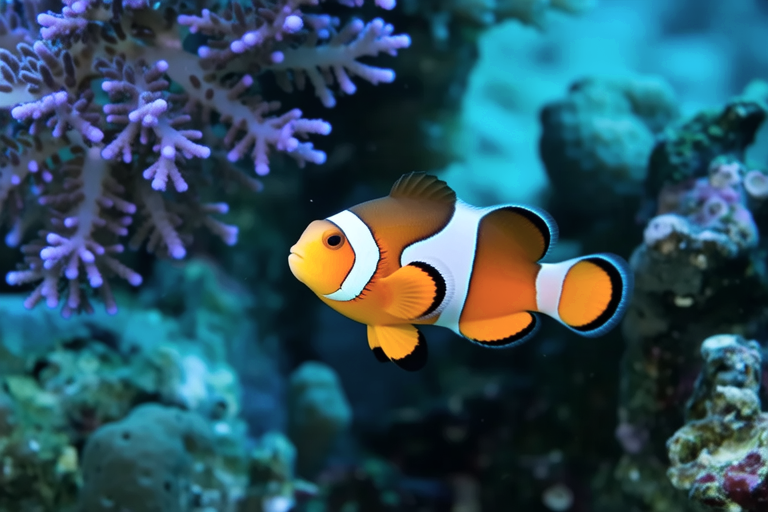
Clownfish: A Comprehensive Guide for Aquarists
Clownfish, also known as anemonefish, are some of the most recognizable and beloved fish in the world. Their striking coloration and fascinating behaviors have made them a favorite among both marine biologists and aquarium hobbyists. This article will explore the natural habitat, behavior, diet, and symbiotic relationships of clownfish, along with essential tips for keeping them in home aquariums.
Natural Habitat
Clownfish are native to the tropical waters of the Indian and Pacific Oceans, specifically around coral reefs. They are found in shallow lagoons and seaward reefs, typically at depths ranging from 1 to 15 meters. These areas provide the ideal environment for clownfish to thrive, offering plenty of hiding spots and food sources.
Their preferred habitat includes regions with strong currents and abundant algae growth, which supports a diverse array of small invertebrates and plankton. Clownfish often live in groups within a single anemone, forming a complex social hierarchy. The largest and oldest female is usually the dominant member of the group, while the male is the second-in-command. The rest of the group consists of non-breeding juveniles.
Behavior
Clownfish exhibit several unique behaviors that contribute to their popularity among aquarists. They are territorial and fiercely protective of their anemone, displaying aggressive behavior towards intruders. When threatened, they dart back into the safety of their host anemone, where their special mucus coating protects them from the anemone’s stinging tentacles.
Clownfish are also known for their vibrant color patterns, which serve multiple purposes. The contrasting colors and bold stripes act as camouflage, helping them blend in with the tentacles of their host anemone. Additionally, these patterns may play a role in communication, signaling aggression or submission within the group.
Diet
In the wild, clownfish are omnivorous, feeding on a variety of foods including zooplankton, algae, and small invertebrates. Their diet is diverse and depends on the availability of food in their environment. In captivity, it is essential to replicate this varied diet to ensure optimal health and growth.
Aquarists can feed their clownfish a mix of high-quality flake foods, frozen foods, and fresh vegetables. It is important to offer a balanced diet that includes protein-rich foods like brine shrimp, bloodworms, and mysis shrimp, as well as plant-based options such as spirulina flakes and nori sheets. Regular feeding schedules and proper portion control will help maintain the health and vitality of your clownfish.
Symbiotic Relationship with Sea Anemones
The symbiotic relationship between clownfish and sea anemones is one of the most fascinating aspects of marine biology. This mutualistic partnership benefits both organisms, providing protection and food for each party. The clownfish’s mucus coating allows it to safely navigate through the anemone’s stinging tentacles, while the anemone gains protection from predators due to the clownfish’s presence.
Research has shown that clownfish can manipulate the pH level of their host anemone’s tentacles, making them less toxic to potential predators. This adaptation enables clownfish to coexist peacefully with their anemone hosts and even defend them against threats. The clownfish also helps to aerate the anemone by fanning its fins, promoting better circulation and overall health.
Tips for Keeping Clownfish in Home Aquariums
Water Conditions
Maintaining optimal water conditions is crucial for the health and well-being of your clownfish. Clownfish require stable water parameters, including a temperature range of 76-82°F (24-28°C), a pH level of 8.1-8.4, and a specific gravity of 1.020-1.025. Regular testing and monitoring of these parameters will help prevent stress and disease in your fish.
Proper filtration and aeration are also essential for maintaining clean and oxygenated water. Clownfish are sensitive to ammonia and nitrite levels, so establishing a mature and efficient biological filter is vital. Regular water changes and maintenance routines will further support the health of your aquarium ecosystem.
Tank Mates
Choosing suitable tank mates for your clownfish is an important consideration when setting up a marine aquarium. Clownfish generally get along well with other peaceful fish species, but it is essential to avoid overly aggressive or territorial tank mates. Some compatible options include other clownfish, damselfish, and small wrasses.
When introducing new fish to your aquarium, it is advisable to quarantine them first to prevent the introduction of diseases or parasites. Gradual acclimation to the existing tank inhabitants will also help minimize stress and promote harmony within the community.
Common Health Issues
Like all aquatic animals, clownfish are susceptible to various health issues. Some common problems include parasitic infections, bacterial diseases, and physical injuries. Early detection and prompt treatment are key to ensuring the well-being of your fish.
Regular observation and water quality checks can help identify potential issues before they become severe. If you notice any signs of illness, such as lethargy, loss of appetite, or unusual behavior, it is best to consult a veterinarian specializing in aquatic animals for diagnosis and treatment. Maintaining a clean and stress-free environment will go a long way in preventing many health problems.
Unique Characteristics
Clownfish possess several unique characteristics that make them popular among marine aquarium enthusiasts. Their vibrant color patterns and playful personalities add visual appeal and entertainment value to any aquarium setup. Additionally, their ability to adapt to different environments and form strong bonds with their anemone hosts showcases their resilience and adaptability.
Clownfish are also known for their reproductive behaviors, which involve complex courtship rituals and parental care. In captivity, clownfish can be encouraged to breed by providing suitable breeding conditions, including ample hiding spaces and a consistent diet. Successful breeding can lead to a thriving population of clownfish, offering a rewarding experience for dedicated aquarists.
Conclusion
Clownfish are captivating creatures with a rich history and unique characteristics that have earned them a special place in the hearts of marine enthusiasts. By understanding their natural habitat, behavior, diet, and symbiotic relationships, aquarists can create an enriching and supportive environment for their clownfish. With proper care and attention, these fascinating fish can bring joy and wonder to any home aquarium.
