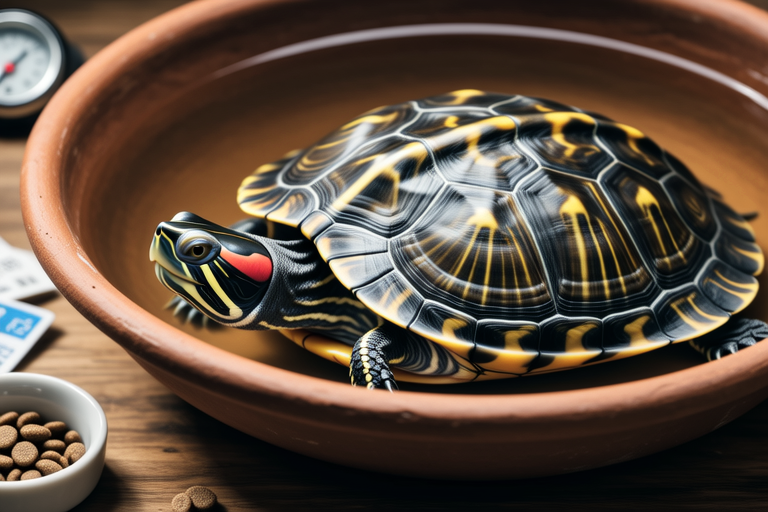
Common Myths About Red-eared Sliders Busted!
Red-eared sliders (Trachemys scripta elegans) are among the most popular pet turtles in the world. Their vibrant appearance and relatively low maintenance requirements have made them a favorite among reptile enthusiasts. However, like any other pet, they come with specific care needs that many potential owners may not fully understand. This article aims to debunk some of the most common myths surrounding red-eared sliders and provide you with accurate information to ensure your turtle’s well-being.
Myth 1: Red-eared Sliders Are Low Maintenance Pets
One of the biggest misconceptions about red-eared sliders is that they are easy to care for. While it’s true that they don’t require constant attention, providing them with a healthy environment and diet is crucial. A basic setup includes a large aquarium or turtle pond with a water filtration system, UVB lighting, and a basking area. Water quality is particularly important, as poor conditions can lead to shell rot and respiratory infections.
Myth 2: Red-eared Sliders Can Be Kept In Small Tanks
Another widespread myth is that these turtles can thrive in small tanks. The truth is, red-eared sliders grow quickly and need ample space to swim and bask. As hatchlings, they might fit in a 20-gallon tank, but by adulthood, they will require at least 40 gallons per inch of carapace length. For a full-grown adult, this could mean hundreds of gallons of water.
Myth 3: Red-eared Sliders Only Need Food Once A Day
Feeding your red-eared slider properly is essential for its health. Contrary to the belief that they only need food once a day, these turtles require varied diets that include both commercial turtle pellets and fresh vegetables. Protein sources such as earthworms, crickets, and fish should be offered occasionally. Overfeeding can lead to obesity and liver problems, so moderation is key.
Myth 4: Red-eared Sliders Don’t Need UVB Lighting
UVB lighting is vital for red-eared sliders because it helps them synthesize vitamin D3, which aids calcium absorption. Without adequate UVB exposure, turtles can develop metabolic bone disease, leading to weakened bones and shells. Therefore, ensuring your turtle has access to natural sunlight or a high-quality UVB lamp is non-negotiable.
Myth 5: Red-eared Sliders Live For About 10 Years
The myth that red-eared sliders only live around ten years is far from accurate. In captivity, with proper care, these turtles can easily reach ages between 20 and 40 years. Some even surpass 50 years old! Lifespan largely depends on factors such as diet, living conditions, and overall health care.
Myth 6: Red-eared Sliders Are Suitable Pets For Children
While red-eared sliders might seem like gentle creatures suitable for children, handling them frequently isn’t recommended. Turtles can carry Salmonella bacteria, posing risks especially to young kids whose immune systems are still developing. It’s better if adults handle the turtle while teaching children about responsible pet ownership.
Myth 7: Red-eared Sliders Don’t Get Sick
Despite their hardy reputation, red-eared sliders are susceptible to various health issues. Respiratory infections, shell infections, and parasites are common problems. Regular veterinary checkups and maintaining clean living environments are necessary to prevent and treat illnesses effectively.
Myth 8: Red-eared Sliders Can Hibernate Indoors
Hibernation, also known as brumation, is part of a red-eared slider’s natural cycle. However, indoor hibernation isn’t advisable. If you notice signs of brumation in your pet, consult a veterinarian who specializes in reptiles for guidance on how to safely manage this process.
Myth 9: Red-eared Sliders Can Be Released Into The Wild
Releasing captive-bred red-eared sliders into the wild poses significant ecological threats. These turtles are native to North America but have been introduced worldwide through the pet trade. Invasive populations disrupt local ecosystems and compete with native species for resources. Always consider adopting another pet instead of releasing one back into nature.
Myth 10: Red-eared Sliders Prefer Cold Water
Contrary to popular belief, red-eared sliders prefer warmer waters similar to those found in their natural habitats. Maintaining optimal water temperatures between 75°F and 85°F (24°C – 29°C) is critical for their metabolism and digestion. Using submersible heaters and thermostats ensures consistent warmth throughout the tank.
Conclusion
Understanding the true needs of red-eared sliders can greatly enhance their quality of life and longevity. By busting these common myths, we hope to encourage more informed decision-making when it comes to owning and caring for these fascinating reptiles. Remember, providing a balanced diet, appropriate housing, and regular veterinary care are key steps towards keeping your red-eared slider happy and healthy.
