Arowana Aquariums: Secrets to Keeping These Exotic Giants Happy
Introduction:
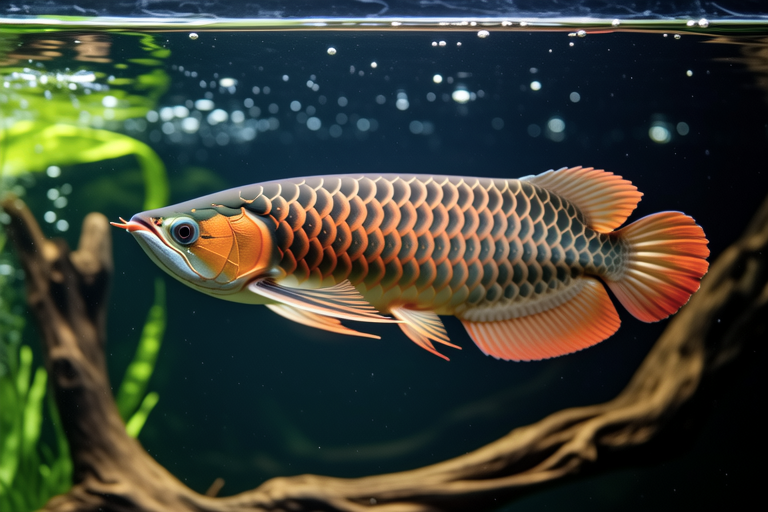
Arowanas are one of the most fascinating and sought-after species among freshwater aquarium enthusiasts. Known for their striking appearance, intelligence, and unique behaviors, these fish are often referred to as ‘Dragon Fish’ due to their elongated bodies and majestic fins. However, keeping Arowanas requires a deep understanding of their specific needs and a commitment to providing an optimal environment that mimics their natural habitat.
The Specific Needs of Arowana Fish
Water Temperature and pH Levels
Arowanas thrive in warm, slightly acidic water. The ideal temperature range is between 78°F and 84°F (25°C to 29°C). Maintaining this temperature is crucial as it directly affects their metabolism and overall health. Similarly, the pH level should be kept between 6.5 and 7.5. Regular monitoring and adjustments are necessary to ensure these conditions are met.
Tank Size Requirements
Arowanas grow to impressive sizes, often exceeding 3 feet (90 cm) in length. Therefore, they require a spacious aquarium to accommodate their growth and swimming patterns. For juvenile Arowanas, a tank measuring at least 75 gallons (285 liters) is recommended. As they mature, a minimum tank size of 150 gallons (568 liters) is advised. The depth of the tank should also be considered, ensuring that it is at least 24 inches (60 cm) deep to allow ample vertical swimming space.
Filtration Systems
Given their size and activity levels, Arowanas produce significant amounts of waste, making an efficient filtration system essential. Filters capable of handling high volumes of water and providing both mechanical and biological filtration are preferred. Canister filters or sump systems are highly recommended as they offer superior water quality maintenance and reduce the risk of nitrate build-up.
Dietary Preferences and Feeding Habits
Arowanas are carnivorous and have a varied diet in the wild, including insects, small fish, and crustaceans. In captivity, they can be fed a diet consisting of pellets, frozen foods, live prey, and occasional treats like feeder fish. It’s important to note that overfeeding can lead to obesity and health issues. Feeding should be done sparingly, typically twice daily, with portions adjusted according to their appetite and size.
Maintaining Water Quality and Managing Tank Decorations
Water Quality
To maintain excellent water quality, regular water changes and diligent monitoring of parameters are necessary. Changing approximately 10% to 20% of the tank water weekly helps remove accumulated toxins and maintains stable conditions. Additionally, the use of chemical treatments and supplements can aid in stabilizing pH levels and promoting healthy bacterial colonies.
Tank Decorations
While Arowanas enjoy open spaces, incorporating suitable decorations can enhance their environment. Driftwood, rocks, and plants provide hiding spots and enrich the visual appeal of the tank. Ensure that all decorations are securely anchored to prevent accidental injuries. Avoid sharp or abrasive objects that could harm the fish. Floating plants can also be beneficial, as they help create shade and mimic natural environments.
Selecting Compatible Tank Mates
Due to their predatory nature and territorial behavior, finding compatible tank mates for Arowanas can be challenging. Ideally, they should be kept as solitary specimens. If you wish to introduce other fish, choose species that are too large to be considered prey and can coexist peacefully. Some potential candidates include large cichlids, catfish, and other robust, non-aggressive species. However, constant vigilance is required to monitor interactions and ensure the well-being of all inhabitants.
Tips for Observing and Interacting with Arowana Fish
Observing Arowanas can be an enriching experience, offering insights into their behaviors and preferences. Spend time watching them during feeding times, noting their feeding patterns and interactions. Interaction should be limited to feeding and gentle handling when necessary. Overstimulation can cause stress, so avoid excessive physical contact or disruptive activities near the tank.
Conclusion:
Keeping Arowanas in a home aquarium demands dedication, knowledge, and careful attention to detail. By understanding and meeting their specific needs regarding water conditions, tank setup, dietary requirements, and tank mate selection, you can ensure the happiness and longevity of these magnificent creatures. With proper care and a nurturing environment, your Arowana will not only thrive but also bring joy and fascination to your aquatic world.
