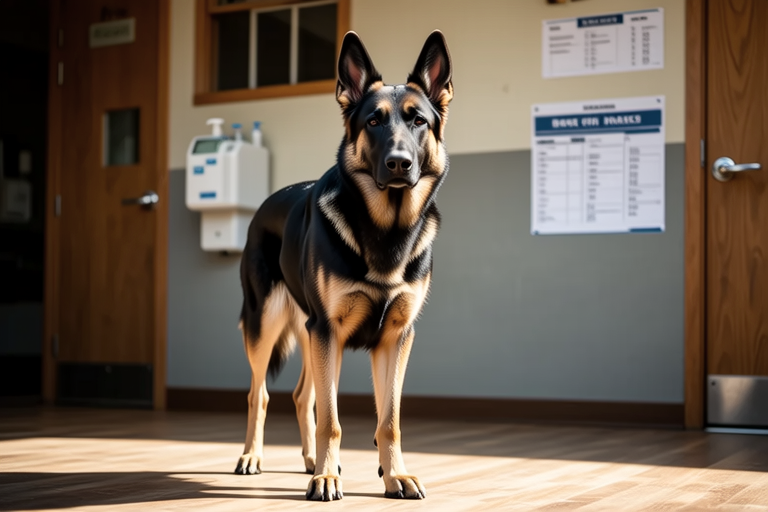
German Shepherd Health Guide: Common Issues & Prevention Strategies
Introduction
The German Shepherd is one of the most popular dog breeds globally, known for their intelligence, loyalty, and versatility. These dogs serve in various roles, from police and military work to family companions. However, their robust appearance can sometimes overshadow the fact that they are prone to certain health issues. As a responsible owner, it’s essential to understand these potential problems and take proactive steps to ensure your German Shepherd lives a long, healthy life. This guide will explore some of the common health issues faced by German Shepherds and provide strategies for prevention.
Hip Dysplasia
One of the most prevalent conditions affecting German Shepherds is hip dysplasia. This genetic disorder occurs when the hip joint does not develop correctly, leading to instability and eventually arthritis. Symptoms may include difficulty rising, reluctance to jump or climb stairs, and limping. Early detection and intervention are crucial in managing this condition.
- Diet: A balanced diet rich in omega-3 fatty acids can help reduce inflammation associated with arthritis. Consult your veterinarian about supplements like glucosamine and chondroitin, which support joint health.
- Exercise: Controlled physical activity helps maintain muscle mass around the hips, providing additional support. Swimming is particularly beneficial as it provides low-impact resistance training.
- Vet Check-Ups: Regular visits allow early diagnosis and management of symptoms. X-rays can confirm the presence of hip dysplasia and assess its severity.
Elbow Dysplasia
Similar to hip dysplasia, elbow dysplasia affects the elbow joint, causing pain and lameness. It typically manifests between four to ten months of age but can also develop later. Early signs might include a slight limp or decreased activity level.
- Diet: Feeding a high-quality puppy food formulated for large breed dogs can promote proper bone development. Avoid overfeeding to prevent rapid weight gain, which puts extra strain on growing joints.
- Exercise: Limit high-impact activities during growth stages (up to 18 months) to avoid excessive stress on developing joints.
- Vet Check-Ups: Radiographs can identify elbow dysplasia early, allowing for prompt treatment options ranging from conservative therapy to surgical intervention.
Degenerative Myelopathy
This progressive neurological disease primarily targets the spinal cord, causing weakness and loss of coordination in the hind legs. The exact cause remains unknown, though genetics play a significant role. Degenerative myelopathy usually appears between five and seven years old.
- Diet: Antioxidants found in foods like blueberries and spinach may slow down the progression of neurodegenerative diseases. Always consult your vet before introducing new ingredients into your dog’s diet.
- Exercise: Low-impact exercises such as walking and swimming encourage muscle strength and flexibility while minimizing joint strain.
- Vet Check-Ups: Genetic testing can determine if your dog carries the gene mutation linked to degenerative myelopathy. Early diagnosis enables better management of symptoms through medication and physical therapy.
Common Digestive Problems
German Shepherds often suffer from gastrointestinal issues due to their sensitive stomachs. Diarrhea, vomiting, and constipation are frequent complaints among owners.
- Diet: Feed a high-fiber diet consisting of easily digestible carbohydrates and proteins. Avoid sudden changes in food types; instead, transition gradually over several days.
- Exercise: Physical activity stimulates digestion and helps regulate bowel movements. However, excessive exercise immediately after eating could lead to bloat, a potentially fatal condition.
- Vet Check-Ups: If digestive issues persist despite dietary adjustments, consult your veterinarian. They may recommend further diagnostic tests or prescribe medications to alleviate symptoms.
Maintaining a Healthy Lifestyle
To prevent the aforementioned health issues, focus on maintaining a healthy lifestyle for your German Shepherd. Start by ensuring they receive adequate nutrition tailored specifically for their size and age. Choose premium dog foods that meet AAFCO standards and contain real meat as the primary ingredient. Avoid cheap fillers and artificial preservatives that could compromise gut health.
Regular exercise is equally important. Engage your dog in daily walks or runs depending on their energy levels and physical capabilities. Incorporate mental stimulation games and puzzles to keep them mentally sharp. Additionally, consider enrolling them in obedience classes where they learn new commands and interact socially.
Lastly, establish a routine for veterinary care. Schedule annual check-ups even when your dog seems healthy. Vaccinations, parasite control, and dental hygiene should be part of regular visits. Early detection of any underlying conditions allows for timely interventions, improving overall quality of life.
In conclusion, being aware of the common health issues facing German Shepherds and implementing preventive measures can significantly enhance their longevity and well-being. By focusing on diet, exercise, and consistent medical attention, you can ensure your furry friend enjoys many happy years together. Remember, every dog is unique, so tailor these recommendations based on individual needs and consult your veterinarian regularly for personalized advice.
