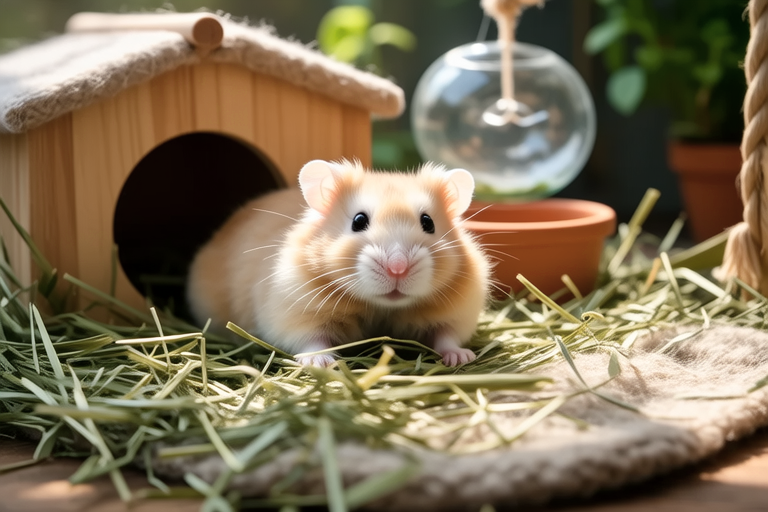
How to Make Your Hamster’s Home Cozy and Happy
Welcome to the world of hamster ownership! These small, furry creatures are delightful pets that can bring immense joy into your home. However, to ensure they thrive, it’s crucial to provide them with a comfortable and stimulating environment. This guide will walk you through the essentials of creating a cozy and happy home for your hamster, covering everything from cage size and bedding to toys, food, and cleanliness.
Choosing the Right Cage Size
The first step in making your hamster’s home cozy is selecting the appropriate cage size. While hamsters are small, they are active creatures that need ample space to move around, exercise, and explore. A general rule of thumb is that the cage should be at least 450 square inches for one hamster, but larger is always better. Avoid cages with wire flooring as it can cause discomfort or injury to your hamster’s delicate feet.
For safety, choose a cage with a solid bottom and secure latches to prevent escapes. Opt for a cage made of durable, non-toxic materials that are easy to clean. If you’re unsure about the best option, consult with a pet store employee who can offer advice based on your specific needs.
Suitable Bedding Materials
Choosing the right bedding material is essential for your hamster’s comfort and hygiene. Avoid cedar and pine shavings as they can irritate your hamster’s respiratory system. Instead, opt for soft, absorbent bedding such as paper-based products, recycled paper pellets, or high-quality wood shavings like aspen. Ensure the bedding is free from chemicals and artificial fragrances that could harm your pet.
Hamsters also enjoy digging and burrowing, so provide plenty of bedding material to accommodate these natural behaviors. Aim for at least two inches of bedding depth to allow for nesting and tunneling. Regularly change the bedding to maintain cleanliness and prevent odors, which is vital for your hamster’s respiratory health.
Necessary Toys and Accessories for Mental Stimulation
To keep your hamster mentally stimulated and physically healthy, include a variety of toys and accessories in their cage. Hamsters love to chew, so provide wooden chew toys to help maintain their teeth. Additionally, include tunnels, wheels, and hammocks to encourage exploration and play. Be mindful when choosing toys; avoid those with sharp edges or small parts that could pose a choking hazard.
Interactive toys, such as treat-dispensing balls or puzzle feeders, can stimulate your hamster’s mind and keep them engaged. Rotate toys periodically to prevent boredom and ensure continued interest. Remember, a bored hamster might develop behavioral issues, so keeping them entertained is key to their happiness.
Proper Food and Water Dispensers
Feeding your hamster correctly is crucial for their overall health. Provide a high-quality hamster mix that includes seeds, grains, and pellets. Supplement their diet with fresh vegetables and fruits, but introduce new foods gradually to avoid digestive upset. Always offer a balanced diet rich in vitamins and minerals to support their growth and vitality.
Ensure your hamster has access to fresh, clean water at all times. Use a water bottle designed specifically for small animals, ensuring the spout is positioned at an angle where your hamster can easily reach it. Check the water level daily and clean the bottle regularly to prevent bacterial growth. In addition to the water bottle, consider adding a shallow dish filled with water for bathing. Hamsters enjoy swimming and splashing in shallow water, which can also aid in temperature regulation.
Maintaining Cleanliness
Keeping your hamster’s living area clean is vital for their health and happiness. Regular cleaning prevents the buildup of harmful bacteria and unpleasant odors. Start by removing any uneaten food and soiled bedding daily. Spot-clean the cage weekly, thoroughly scrubbing all surfaces with a mild detergent and rinsing well. Allow the cage to air dry before replacing the bedding and accessories.
Deep clean the cage monthly, removing all bedding and accessories, and disinfecting the entire enclosure. Use a pet-safe cleaner, rinse thoroughly, and let it dry completely before setting up again. Pay special attention to corners and crevices where debris and bacteria tend to accumulate. Maintaining a clean environment not only promotes good health but also ensures a pleasant living space for your hamster.
Creating Safe Hiding Spots
Providing safe hiding spots is essential for your hamster’s emotional well-being. Hamsters are nocturnal creatures that naturally seek out secluded areas for rest and relaxation. Offer a variety of hideouts, such as small boxes, tubes, or commercial hamster houses. Place these in different areas of the cage to give your hamster multiple options for privacy.
Ensure that the hiding spots are large enough for your hamster to comfortably fit inside and have a secure entrance and exit. Some hamsters prefer dark, enclosed spaces, while others may enjoy partially open hiding spots. Observe your hamster’s preferences and adjust accordingly to meet their individual needs. Creating these safe spaces helps reduce stress and anxiety, contributing to a happier and healthier pet.
Conclusion
By following these guidelines, you can create a cozy and happy home for your hamster that supports both their physical health and emotional well-being. Remember, a well-cared-for hamster is a joyful and rewarding companion. Take the time to understand your hamster’s unique needs and preferences, and you’ll be rewarded with a loving and playful pet. Enjoy the journey of caring for your little friend!
