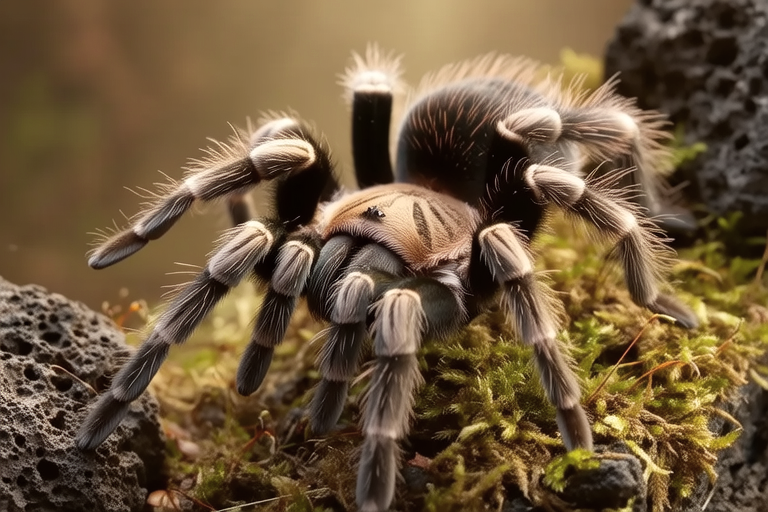
Unraveling the Mystique: Caring for Your Tarantula Like a Pro
Tarantulas have long been shrouded in mystery, often misunderstood due to popular culture’s portrayal of them as aggressive and dangerous creatures. However, these fascinating arachnids are relatively docile and make rewarding pets for those willing to learn about their unique care requirements. This guide will help you unravel the mystique surrounding tarantulas by dispelling common myths, providing detailed instructions on setting up the perfect habitat, discussing dietary needs, and offering advice on handling, maintaining health, and creating an enriching environment.
Dispelling Common Myths About Tarantulas
One of the most pervasive myths about tarantulas is that they are aggressive and dangerous. In reality, tarantulas are generally quite docile and prefer to avoid confrontation. Another misconception is that all tarantulas are venomous enough to pose a significant threat to humans. While their venom can cause localized pain, swelling, and itching, it is rarely life-threatening. Lastly, many people believe that tarantulas require constant attention and interaction. In truth, tarantulas are solitary animals that prefer minimal disturbance.
Setting Up the Perfect Habitat
Temperature and Humidity Levels
Creating the right environment is crucial for your tarantula’s health and well-being. Most tarantulas thrive in temperatures ranging from 75°F to 85°F (24°C to 29°C). It’s essential to provide a thermal gradient within the enclosure, allowing your tarantula to regulate its body temperature by moving between warmer and cooler areas. You can achieve this by placing a heat mat or bulb at one end of the tank.
Humidity levels should be kept between 60% and 80%, depending on the species. Some tarantulas, like the Mexican Redknee, require higher humidity, while others, such as the Chilean Rose, prefer drier conditions. Use a hygrometer to monitor humidity levels and adjust accordingly. Misting the enclosure occasionally can help maintain optimal humidity.
Appropriate Substrate
The substrate you choose plays a vital role in your tarantula’s comfort and health. A good substrate should be absorbent, easy to clean, and provide some cushioning. Many tarantula owners prefer coconut fiber, cypress mulch, or reptile bark as substrates. These materials retain moisture well, which helps maintain humidity levels. Additionally, they are lightweight and allow for burrowing behavior, which is essential for many tarantula species.
Ensure the substrate is at least three inches deep to accommodate burrowing. Avoid using sand or gravel as substrate, as they can cause impaction if ingested. Also, refrain from using pine or cedar shavings, as they release harmful oils that can irritate your tarantula’s respiratory system.
Dietary Needs of Tarantulas
Feeding Schedules and Prey Selection
Understanding your tarantula’s dietary needs is crucial for its overall health. Tarantulas are carnivorous and primarily feed on insects, though some larger species may consume small vertebrates. The frequency of feeding depends on the tarantula’s age, size, and species. Generally, young tarantulas should be fed once or twice a week, while adults can be fed every two to four weeks.
Choose prey items that are appropriately sized for your tarantula. The general rule is that the prey should not exceed half the width of the tarantula’s body. Suitable prey includes crickets, mealworms, superworms, and dubia roaches. It’s essential to gut-load the prey before feeding them to your tarantula. Gut-loading involves feeding nutritious foods to the prey, ensuring your tarantula receives a balanced diet.
Handling Your Tarantula Safely
Handling your tarantula requires patience, gentleness, and respect for its boundaries. Always wash your hands before handling to remove any potential contaminants. Gently place your hand in front of the tarantula and wait for it to crawl onto your hand. Never attempt to grab or pick up your tarantula, as this can startle it and lead to defensive behaviors such as urticating hairs or biting.
Some tarantulas, especially younger ones, may be more prone to stress during handling. If your tarantula exhibits signs of discomfort, such as rearing up or flicking its legs, it’s best to gently return it to its enclosure. Limit handling sessions to a few minutes to minimize stress.
Signs of Illness and Maintaining Health
Regular monitoring is key to ensuring your tarantula remains healthy. Watch for signs of illness, such as lethargy, loss of appetite, or unusual behavior. If you notice any of these symptoms, consult a veterinarian specializing in exotic pets for diagnosis and treatment.
To maintain your tarantula’s health, ensure its enclosure is clean and free from mold or bacteria. Regularly clean the substrate and replace it as needed. Additionally, provide fresh water daily, either through a shallow dish or misting the enclosure.
Creating an Enriching Environment
Creating an enriching environment that stimulates natural behaviors is essential for your tarantula’s long-term happiness and well-being. Provide hiding spots, such as cork bark or hollow logs, to mimic the natural habitat. These structures also serve as retreats, allowing your tarantula to feel secure.
Incorporate climbing structures, such as branches or artificial plants, to encourage exercise and exploration. Some tarantulas enjoy burrowing, so consider adding tunnels or caves to their enclosure. Rotate enrichment items periodically to prevent boredom and stimulate curiosity.
Lastly, engage in regular observation and interaction with your tarantula. Learning its unique behaviors and preferences can deepen your bond and enhance its quality of life. By providing a stimulating and nurturing environment, you can ensure your tarantula leads a long, healthy, and fulfilling life.
