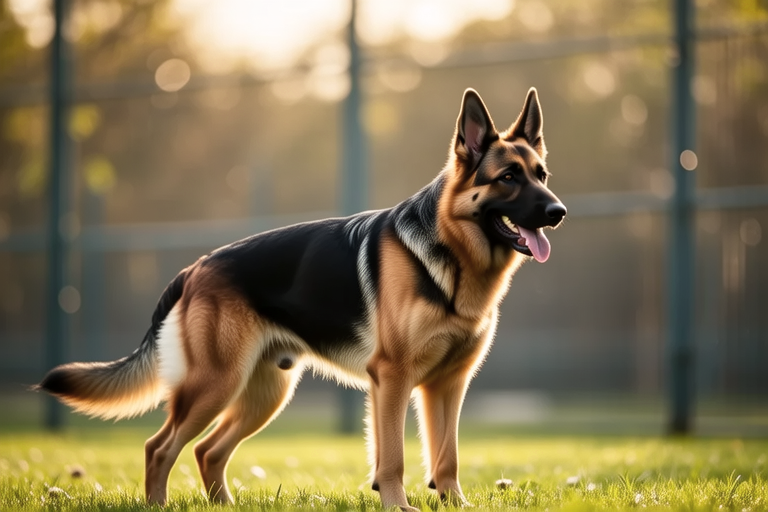
Historical Development and Specific Traits of German Shepherds That Led to Their Prominence as Guard Dogs
The German Shepherd has become one of the most popular and versatile working breeds worldwide. This breed’s journey from herding dogs to highly respected guard dogs is marked by several key factors, including selective breeding, specialized training methods, and significant societal shifts. This article explores the historical development and specific traits of German Shepherds that contributed to their prominence as guard dogs, examining their breeding, training, and societal influences.
Breeding and Early Development
The origins of the German Shepherd can be traced back to the late 19th century when Captain Max von Stephanitz sought to create an ideal working dog. Von Stephanitz envisioned a dog that could perform various tasks, including herding, guarding, and protection. His efforts resulted in the establishment of the first German Shepherd Dog Club in 1899. The breed was initially developed for herding purposes but quickly gained recognition for its intelligence, loyalty, and protective instincts. These qualities made it an excellent candidate for guard duty.
The early breeding programs focused on selecting dogs with desirable traits such as strength, agility, and a strong work ethic. Over time, breeders emphasized physical attributes like a robust build, a dense coat, and a distinctive double-layered fur. These characteristics provided the dogs with the stamina and resilience necessary for prolonged outdoor activities and harsh weather conditions. Additionally, breeders aimed to develop a temperament characterized by confidence, alertness, and a natural protective instinct.
Training Methods and Societal Shifts
The effectiveness of German Shepherds as guard dogs is largely attributed to their highly adaptable and trainable nature. From the beginning, these dogs were trained using positive reinforcement techniques, which encouraged them to respond to commands and engage in protective behaviors. Training programs focused on building trust between the handler and the dog, fostering a strong bond that would facilitate effective communication during critical situations.
During the early 20th century, the demand for protective breeds began to rise due to increasing urbanization and industrialization. As cities grew larger and more complex, people sought reliable methods to ensure their safety and security. German Shepherds, with their natural instincts and trainable demeanor, emerged as ideal candidates for guard duty. Their ability to protect property and deter potential threats made them highly sought after by individuals and organizations alike.
Notable Examples and Milestones
Several notable examples and milestones highlight the exceptional guard dog capabilities of German Shepherds. One of the most famous instances occurred during World War I when German Shepherds served as messenger dogs, sentry dogs, and Red Cross dogs. Their bravery and reliability under fire earned them widespread recognition and admiration. After the war, many returning soldiers brought their German Shepherds home, further popularizing the breed among civilians.
In addition to military service, German Shepherds have played pivotal roles in law enforcement and crime prevention. For instance, in the 1930s, the Los Angeles Police Department introduced German Shepherds into its K-9 unit. These dogs quickly proved their worth by apprehending criminals, tracking suspects, and providing valuable assistance during high-stakes operations. Their success paved the way for other police departments across the country to adopt similar programs.
Media Portrayal and Professional Use
The media has played a crucial role in shaping public perception and preference for German Shepherds as guard dogs. Films, television shows, and news reports often feature German Shepherds in heroic roles, reinforcing their image as loyal and dependable companions. Iconic movies like “Rin Tin Tin” and “Lassie” helped cement the breed’s reputation as a versatile and intelligent working dog. Furthermore, documentaries and reality TV series showcasing police and military operations frequently include scenes of German Shepherds performing essential duties, further enhancing their public profile.
The professional use of German Shepherds in police and military settings has also contributed significantly to their popularity. Their ability to perform tasks such as drug detection, explosive detection, and search and rescue makes them indispensable assets in these fields. Moreover, their presence in high-profile events and public gatherings provides a visible deterrent against potential threats, reassuring the general public of their safety and security.
Conclusion
The historical development and specific traits of German Shepherds have played a crucial role in establishing their prominence as guard dogs. Through careful breeding, specialized training methods, and significant societal shifts, these dogs have become highly respected and sought-after working animals. Notable examples and milestones, combined with favorable media portrayals and professional uses, have further solidified their reputation as reliable and effective guard dogs. As society continues to evolve, it is likely that German Shepherds will remain a staple in both civilian and professional settings, maintaining their status as one of the world’s most versatile and beloved breeds.
