The Ultimate Guide to Raising a Siamese Cat: Tips from Expert Owners
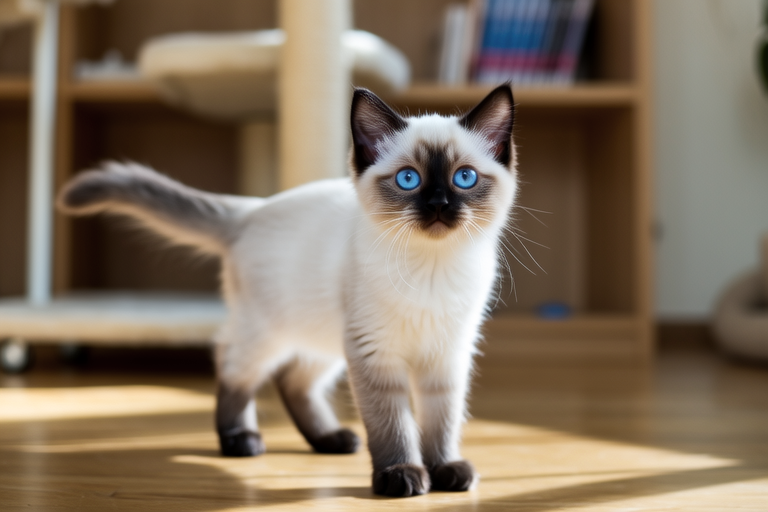
Welcome to the world of Siamese cats! Known for their striking blue almond-shaped eyes, sleek coats, and vocal nature, these felines are a delight to own. However, raising a Siamese cat requires special attention to their unique characteristics, dietary needs, grooming habits, and environmental enrichment. This guide aims to provide you with comprehensive advice from expert owners to ensure your Siamese cat lives a happy and healthy life.
Understanding the Breed’s Unique Characteristics
Siamese cats are intelligent, social, and highly vocal. They thrive on interaction with humans and other pets, making them excellent companions. Dr. Sarah Thompson, a veterinarian specializing in feline behavior, explains, “Siamese cats are people-oriented and often seek out human company. They enjoy being part of family activities and may even follow their owners around the house.”
Siamese cats also have distinctive physical traits. Their coat color points (ears, paws, tail, and face) are darker than the rest of their body, a result of a temperature-sensitive enzyme that darkens the fur in cooler areas. This characteristic is known as ‘colorpoint.’
Dietary Needs
Proper nutrition is crucial for maintaining your Siamese cat’s health. These cats are typically active and require a balanced diet rich in proteins, fats, vitamins, and minerals. Susan Carter, a seasoned Siamese owner, advises, “Feed your Siamese high-quality cat food that matches their age, activity level, and any specific health requirements.”
Avoid overfeeding to prevent obesity, which can lead to various health issues. Opt for wet food or add water to dry food to encourage proper hydration, especially if your Siamese has a history of urinary tract problems.
Grooming Tips
Siamese cats have short, fine coats that require minimal grooming. However, regular brushing helps distribute natural oils, keeps the coat shiny, and reduces shedding. Linda Davis, another experienced owner, recommends, “Brush your Siamese cat once or twice a week to keep their coat in top condition.”
Bathing is generally unnecessary unless your cat gets into something particularly messy. When bathing, use a gentle, cat-specific shampoo and ensure thorough rinsing to avoid skin irritation.
Common Health Issues
Siamese cats are prone to certain health conditions. Dr. Thompson highlights, “Regular veterinary check-ups are essential for early detection and management of potential issues.” Some common health concerns include:
- Obesity: Keep your Siamese active and feed them appropriately to maintain a healthy weight.
- Urinary Tract Infections: Encourage water consumption by providing multiple water sources and consider wet food.
- Respiratory Issues: Siamese cats have a slightly flattened face, which can lead to breathing difficulties. Monitor your cat for signs of distress and consult a vet if necessary.
- Eye Problems: Regular eye checks and prompt treatment of infections are vital.
Training Methods
Siamese cats are highly trainable due to their intelligence and desire to please their owners. Positive reinforcement techniques, such as treats and praise, work best. John Miller, a professional cat trainer, suggests, “Start training your Siamese kitten early to establish good habits. Use small, tasty treats to reward desired behaviors.”
Teach basic commands like ‘sit,’ ‘stay,’ and ‘come’ using consistent cues and rewards. Interactive toys can help stimulate your cat’s mind and teach them to fetch or play catch.
Creating an Enriching Environment
Siamese cats are social creatures that need mental and physical stimulation. Providing a stimulating environment will keep your cat happy and engaged. Mary Johnson, a dedicated Siamese owner, shares her experience, “I’ve found that interactive toys, scratching posts, and climbing structures are great for keeping my Siamese entertained.”
Ensure your home is safe and secure, especially if you have other pets or young children. Supervise interactions to prevent accidents or stress.
Interactive Toys
Choose toys that engage your Siamese cat’s natural instincts. Feather wands, laser pointers, and puzzle feeders are popular choices. Rotate toys periodically to maintain interest and prevent boredom.
Scratching Posts
Provide multiple scratching posts throughout your home to satisfy your Siamese’s instinct to scratch. Consider vertical and horizontal options to accommodate different preferences.
Climbing Structures
Install cat trees or shelves to allow your Siamese to explore and climb. These structures also serve as resting spots and can enhance their sense of security.
Tips for New Owners
If you’re new to owning a Siamese cat, here are some additional tips to help you get started:
- Establish a routine for feeding, grooming, and playtime to create structure and predictability.
- Be patient with your Siamese as they learn to trust and bond with you.
- Attend obedience classes or workshops to improve training skills and address any behavioral concerns.
- Join local cat clubs or online communities to connect with other Siamese owners and share experiences.
Conclusion
Raising a Siamese cat can be a rewarding experience, but it requires dedication and commitment. By understanding their unique characteristics, meeting their dietary needs, maintaining proper grooming practices, addressing common health issues, employing effective training methods, and creating an enriching environment, you can ensure your Siamese cat leads a happy and healthy life. Remember, every Siamese cat is an individual, so tailor your approach to suit their specific needs and personality. With love, patience, and care, you’ll build a strong bond with your Siamese companion.
