Bengal Cats: The Ultimate Guide for Prospective Owners
Welcome to the world of Bengal cats! Known for their striking appearance and playful demeanor, these felines have captured the hearts of many cat enthusiasts. This guide will provide you with all the necessary information to help you decide if a Bengal cat is the right pet for you and how to care for one properly.
Origins and History of Bengal Cats
The Bengal cat traces its roots back to the early 1960s when Dr. Willard Centerwall crossbred domestic cats with Asian leopard cats. The goal was to create a breed that combined the exotic looks of wildcats with the gentle nature of house cats. It wasn’t until the late 1970s that Jean Mill, another pioneering breeder, began breeding Bengals with domestic cats to enhance their coat patterns and temperament. Over time, through selective breeding, the Bengal cat has evolved into an affectionate, intelligent, and active companion.
Physical Characteristics
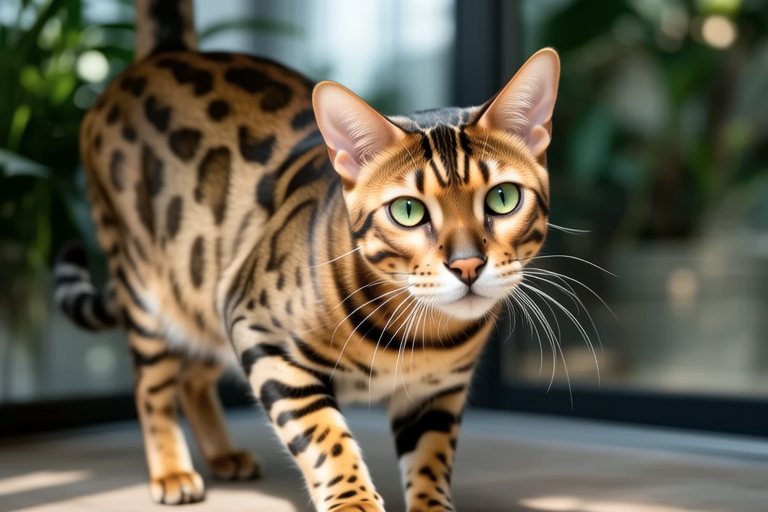
Bengal cats are medium to large-sized felines, weighing between 8 to 15 pounds for females and 10 to 15 pounds for males. Their most distinctive feature is their luxurious, short, and dense coat that comes in various colors like brown, silver, or snow, often marked with leopard-like spots or marbling. Their muscular build, high energy levels, and agility set them apart from other breeds. Bengal cats also possess large, almond-shaped eyes that give them an alert and intelligent expression.
Temperament and Behavior
Bengals are known for their friendly and outgoing personalities. They enjoy interacting with humans and are highly social animals. These cats love to play and explore, making them excellent companions for active households. Despite their wild ancestry, Bengals are generally very affectionate and can form strong bonds with their owners. However, due to their high activity levels, they may require more attention and stimulation than some other breeds.
Dietary Needs
Like all cats, Bengals require a balanced diet rich in proteins, fats, vitamins, and minerals. High-quality commercial cat food formulated for adult cats or kittens, depending on the age of your Bengal, is usually sufficient. You can supplement their diet with occasional treats but avoid overfeeding, as obesity can lead to health problems. Always ensure fresh water is available at all times.
Grooming Requirements
Bengal cats’ coats are relatively low-maintenance, requiring only regular brushing to remove loose hair and prevent matting. Weekly brushing sessions are recommended to keep their coat shiny and healthy. Bathing is rarely necessary unless the cat gets particularly dirty. Regular nail trimming, ear cleaning, and dental care are also important aspects of grooming.
Exercise and Playtime Essentials
Bengals are energetic and need plenty of opportunities to burn off excess energy. Provide them with toys that stimulate their natural hunting instincts, such as feather wands or laser pointers. Interactive play sessions not only keep them physically fit but also mentally engaged. Consider setting up climbing structures or shelves to allow them to climb and perch, which satisfies their desire for height.
Health Issues Common to Bengal Cats
While Bengals are generally healthy, they are prone to certain genetic disorders. Hypertrophic cardiomyopathy (HCM), a heart condition, and patellar luxation, where the kneecap dislocates, are two conditions to watch out for. Regular veterinary check-ups and screenings can help detect these issues early. Proper nutrition, exercise, and maintaining a healthy weight contribute significantly to their overall well-being.
Training Tips
Bengals are intelligent and can be trained using positive reinforcement techniques. Reward good behavior with treats or praise rather than punishment. Teach basic commands like ‘come,’ ‘sit,’ or ‘stay’ to establish a bond and ensure safety. Clicker training is an effective method for teaching tricks and behaviors. Encourage your Bengal to use scratching posts instead of furniture by placing them in strategic locations around your home.
Compatibility with Families and Other Pets
Bengals adapt well to family life and can coexist peacefully with children if introduced properly. Their playful nature makes them ideal playmates for kids who understand how to handle them gently. When introducing a Bengal to other pets, supervision is key during initial interactions. Gradually increase exposure under controlled conditions until both parties feel comfortable.
Cost Considerations for Ownership
Owning a Bengal cat involves several expenses beyond just the adoption fee. Initial costs include spaying/neutering, vaccinations, microchipping, and supplies like litter boxes, food dishes, and toys. Ongoing expenses cover regular veterinary visits, grooming, and possibly boarding services when traveling. Factor in insurance premiums if you opt for pet health insurance to cover unexpected medical bills.
Advice on Finding a Reputable Breeder
Selecting a reputable breeder ensures you get a healthy kitten from parents with documented health clearances. Research breeders online, read reviews, and ask questions about their breeding practices. Visit their facility if possible to meet the parents and observe living conditions. A responsible breeder will prioritize the welfare of their cats and provide guidance throughout the kitten’s growth process.
In conclusion, Bengal cats offer a unique blend of beauty, intelligence, and companionship. By understanding their origins, physical traits, dietary preferences, and specific care needs, prospective owners can make informed decisions about bringing a Bengal into their homes. With proper attention, training, and care, these magnificent creatures can become cherished members of any household.
