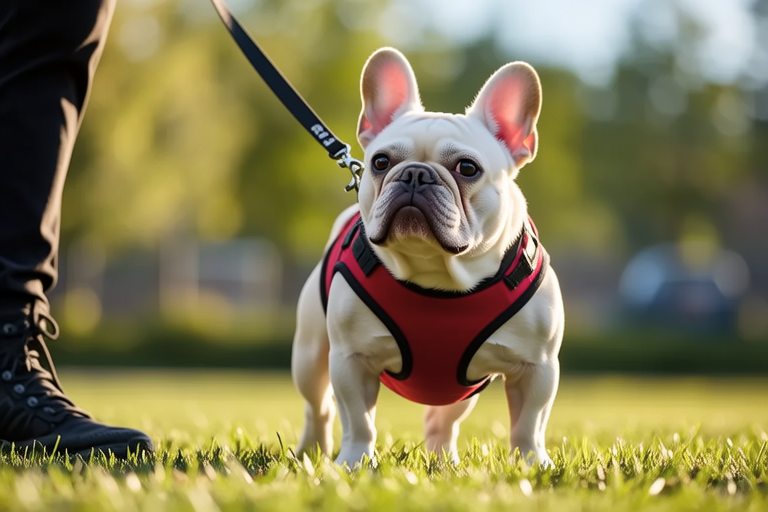
From Couch Potato to Fitness Frenchie: Training Tips for Your Bully Breed
Welcome to the exciting world of transforming your beloved bully breed from a couch potato to a fitness enthusiast! This comprehensive guide will walk you through practical, breed-specific training techniques designed to help your dog transition from a sedentary lifestyle to an active one. We’ll cover understanding bully breed temperaments, essential exercises, diet considerations, and common challenges faced during fitness training. Our emphasis will be on safety, positive reinforcement, and gradual progression in physical activity. Let’s get started!
Understanding Bully Breed Temperaments
Bully breeds, including Bulldogs, French Bulldogs, American Pit Bull Terriers, and Staffordshire Bull Terriers, are known for their loyal, affectionate, and sometimes stubborn nature. Their temperament can vary widely depending on individual genetics and upbringing. It’s crucial to understand these traits to effectively train them.
For instance, many bully breeds have a strong desire to please their owners but can also be independent thinkers. This means they may require consistent, patient, and positive reinforcement training methods. They thrive on attention and affection, so making training sessions fun and rewarding is key. Positive reinforcement, such as treats and praise, can encourage good behavior and make training sessions enjoyable for both you and your dog.
Essential Exercises for Bully Breeds
Exercise is vital for maintaining your bully breed’s health and well-being. However, it’s important to choose exercises that are appropriate for their body type and age. Here are some recommended activities:
- Leash Walking: Leash walking is a great way to provide mental stimulation and physical exercise. Start with short walks and gradually increase the duration as your dog becomes more comfortable. Ensure your dog has proper leash manners and knows basic commands like ‘sit’ and ‘stay.’
- Interactive Play: Engage your bully breed in interactive play, such as fetch or tug-of-war. These games not only burn calories but also strengthen the bond between you and your pet. Always supervise these activities to ensure safety.
- Agility Training: Agility courses can be a fantastic way to challenge your bully breed mentally and physically. Look for local agility classes or set up a course at home using tunnels, jumps, and weave poles. Agility training requires patience and persistence, but the results can be incredibly rewarding.
Real-life example: Sarah, a proud owner of a French Bulldog named Charlie, noticed a significant improvement in her dog’s energy levels after incorporating daily walks and agility training. Charlie, once lethargic and prone to weight gain, now enjoys regular playtime and has lost excess weight, leading to a healthier, happier life.
Diet Considerations for Active Bully Breeds
As your bully breed transitions to a more active lifestyle, adjusting their diet is crucial. High-quality, protein-rich dog food is essential for maintaining muscle mass and supporting overall health. Consult with your veterinarian to determine the appropriate calorie intake based on your dog’s age, weight, and activity level.
Avoid overfeeding, as even active dogs can become overweight if they consume too many calories. Monitor your dog’s weight regularly and adjust portion sizes as needed. Incorporating fresh vegetables and lean proteins into their diet can provide additional nutrients and variety. Always introduce new foods gradually to avoid digestive upset.
Common Challenges and Solutions
Transitioning from a sedentary to an active lifestyle can present several challenges. Here are some common issues and solutions:
- Resistance to Exercise: Some bully breeds may initially resist increased activity. To overcome this, start with short, fun sessions and gradually increase the duration. Use positive reinforcement to encourage participation.
- Joint Health: Bully breeds are prone to joint problems, especially when they are overweight or engage in high-impact activities. Choose low-impact exercises, such as swimming or walking on soft surfaces, to minimize stress on their joints.
- Motivation: Keep training sessions interesting by varying the activities and using different toys. Rotate toys to maintain novelty and keep your dog engaged. Incorporating new challenges can help keep your dog motivated and excited about training.
Safety First: Gradual Progression and Positive Reinforcement
When transitioning your bully breed to a more active lifestyle, safety should always be your top priority. Gradually increase the intensity and duration of exercise to allow your dog’s body to adapt. Monitor your dog for signs of fatigue or discomfort, and adjust accordingly.
Positive reinforcement is key to successful training. Reward good behavior with treats, praise, and affection. Avoid punishment, as it can lead to fear and anxiety. Instead, focus on building a strong, trusting relationship with your dog. Consistency is crucial; ensure all family members follow the same training methods to reinforce desired behaviors.
Real-life example: Mike, the owner of an American Pit Bull Terrier named Max, faced challenges when introducing Max to agility training. Initially, Max was resistant and showed signs of discomfort. By gradually increasing the difficulty of the course and using positive reinforcement, Mike was able to build Max’s confidence and enjoyment of the activity. Today, Max excels in agility competitions and thrives on the mental and physical stimulation provided by the sport.
Conclusion
Transforming your bully breed from a couch potato to a fitness enthusiast is a rewarding journey that requires patience, dedication, and love. By understanding your dog’s temperament, choosing appropriate exercises, and ensuring a balanced diet, you can help your furry friend achieve a healthier, more active lifestyle. Remember to prioritize safety, use positive reinforcement, and gradually progress in physical activity. With time and effort, you’ll witness remarkable improvements in your dog’s health and happiness. Happy training!
