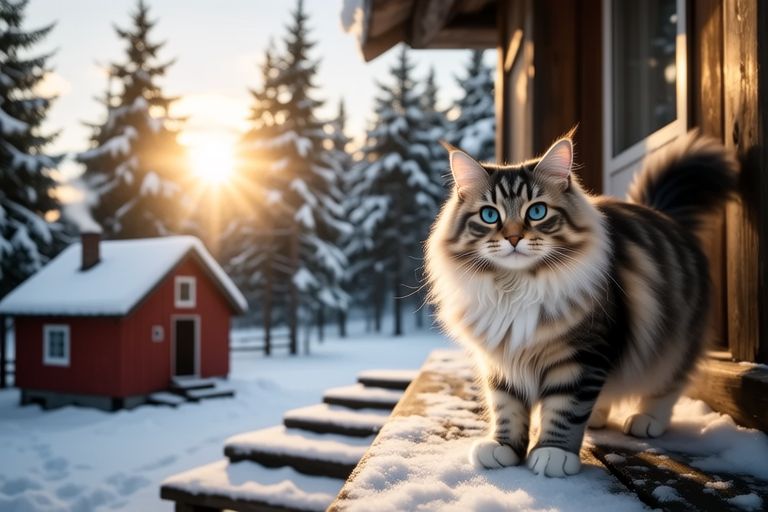
Exploring Norwegian Pet Culture
Norway, with its vast landscapes, rugged coastlines, and harsh winters, has fostered a distinct pet culture that reflects the country’s traditional lifestyle shaped by its frozen lands. This article delves into the nuances of Norwegian pet keeping, examining popular breeds, dietary habits, exercise routines, and the integration of pets into family life. It also explores local veterinary practices, pet fashion trends, and community involvement in pet welfare, highlighting unique aspects such as sled dog training and the role of pets in winter sports.
Popular Breeds
In Norway, certain dog breeds have become particularly popular due to their suitability for the climate and terrain. The Norwegian Elkhound, known for its resilience and hunting skills, is one of the most iconic breeds. Originally bred for hunting elk, these dogs are well-adapted to the cold and can thrive in snowy conditions. Another popular breed is the Lundehund, a small but sturdy dog with unique physical traits that make it adept at climbing cliffs and retrieving birds. The Norwegian Buhund, known for its intelligence and loyalty, is also widely kept, often serving as herding dogs in rural areas.
Cats are equally beloved in Norway, with the Norwegian Forest Cat being a national treasure. This large, semi-longhaired cat is well-suited to the cold weather, with a thick coat that protects it from the elements. Its independent nature and strong hunting instincts make it a perfect fit for the Norwegian landscape.
Dietary Habits
The dietary habits of Norwegian pets reflect the country’s emphasis on healthy, natural foods. Many pet owners opt for high-quality, locally sourced ingredients, ensuring that their pets receive the necessary nutrients to thrive in the cold climate. Organic and raw food diets are increasingly popular, with some owners even preparing homemade meals for their pets. This trend towards natural and organic products is influenced by the broader Norwegian focus on sustainability and environmental consciousness.
For dogs, a balanced diet rich in protein and fat is essential, given the energy demands of living in a cold environment. Fish, such as salmon and cod, are common components of their diet, providing omega-3 fatty acids that promote skin health and reduce inflammation. Cats, too, benefit from fish-based diets, which are high in taurine, an amino acid crucial for their heart and eye health.
Exercise Routines
Exercise routines for pets in Norway are adapted to the challenging Nordic climate. Dogs, in particular, require regular outdoor activities to maintain their physical and mental health. While walking remains a popular form of exercise, many owners incorporate more adventurous activities suited to the terrain. Sled dog training is a notable example, where dogs are trained to pull sleds across snow-covered landscapes. This activity not only provides excellent exercise but also preserves a centuries-old tradition.
For cats, indoor playtime with interactive toys is essential to keep them active and engaged. Laser pointers, feather wands, and puzzle feeders are popular choices among Norwegian cat owners. Some owners even build indoor obstacle courses to stimulate their cats’ hunting instincts and provide mental stimulation.
Pets in Family Life
Pets play a significant role in Norwegian family life, often considered cherished members of the household. They are frequently included in daily routines, whether it’s accompanying owners on hikes or joining families during leisure time. The bond between humans and their pets is strong, with many Norwegians viewing their animals as companions rather than mere possessions. This deep connection is reflected in the care and attention given to pets, ensuring they are well-fed, exercised, and loved.
Children in Norwegian households often grow up with pets, learning responsibility and empathy through caring for them. Pets serve as valuable teaching tools, helping children develop important life skills such as patience, compassion, and respect for other living beings.
Veterinary Practices
Local veterinary practices in Norway are highly advanced, reflecting the country’s commitment to animal welfare. Veterinarians are well-trained and equipped to handle a wide range of issues, from routine check-ups to complex surgeries. Regular vaccinations and preventive care are emphasized, with many clinics offering personalized health plans for pets based on their age, breed, and lifestyle.
The availability of specialized services, such as dental care and acupuncture, is growing, catering to the diverse needs of pets. Additionally, many veterinarians offer home visits for elderly or disabled pets, ensuring that all animals receive the care they need.
Pet Fashion Trends
Pet fashion in Norway is a blend of practicality and style, with many owners choosing functional yet fashionable accessories for their pets. Coats, boots, and hats designed specifically for pets are popular, especially during the colder months. These items not only protect pets from the elements but also add a touch of individuality to their appearance.
Bespoke pet clothing is also gaining popularity, with some owners commissioning custom-made outfits for their furry friends. This trend reflects the growing recognition of pets as fashion-conscious companions, with owners eager to express their personal style through their pets.
Community Involvement in Pet Welfare
The Norwegian community plays an active role in promoting pet welfare, with various organizations and initiatives dedicated to improving the lives of animals. Animal shelters and rescue groups work tirelessly to find homes for stray and abandoned pets, while educational programs raise awareness about responsible pet ownership. Community events, such as pet adoption fairs and fundraising campaigns, bring people together to support animal welfare causes.
Local authorities also contribute to pet welfare by enforcing regulations that ensure the safety and well-being of pets. For instance, leash laws are strictly enforced to prevent pets from wandering off and getting lost. Additionally, many municipalities provide public spaces where pets can be exercised safely, such as designated dog parks and walking trails.
Unique Aspects: Sled Dog Training and Winter Sports
Sled dog training is a unique aspect of Norwegian pet culture, deeply rooted in the country’s history and traditions. Dogs have been used to pull sleds for transportation and hunting for centuries, and this practice continues today, albeit in a more recreational capacity. Sled dog races, such as the Finnmarksløpet, attract participants from around the world, showcasing the incredible endurance and strength of these working dogs.
Pets also play a role in winter sports, with some owners participating in activities such as cross-country skiing with their dogs. This form of exercise not only benefits the dogs but also allows owners to enjoy the beauty of the Norwegian wilderness.
Perspectives from Norwegian Pet Owners and Experts
When asked about the evolving relationship between humans and their pets in Norway, many pet owners and experts highlight the increasing recognition of pets as integral members of the family. This shift is characterized by greater emotional investment and a willingness to go above and beyond to meet pets’ needs. Pet owners are now more likely to seek out specialized care and treatments, reflecting a growing understanding of animal health and well-being.
Experts emphasize the importance of education and awareness in shaping this evolving relationship. By providing accurate information about pet care, nutrition, and behavior, professionals can help owners make informed decisions that benefit both themselves and their pets. This collaborative approach fosters a stronger bond between humans and their pets, enriching the lives of both.
