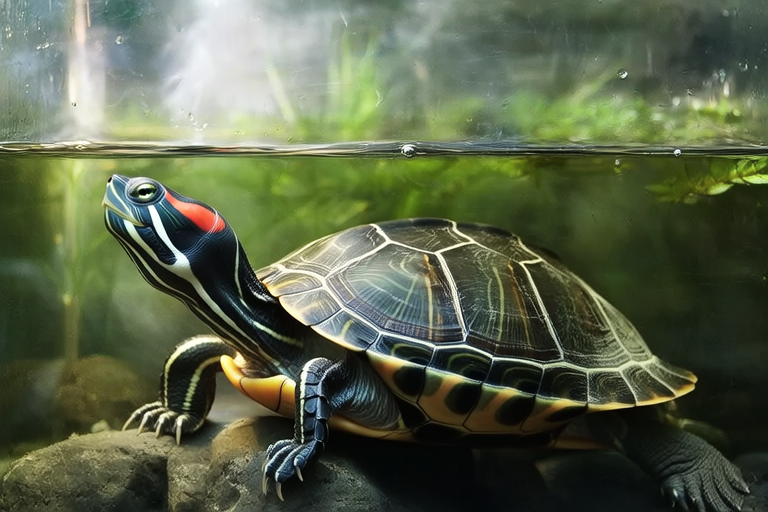
How to Choose the Perfect Habitat for Your Red-Eared Slider Turtle
Red-eared slider turtles are among the most popular pets for reptile enthusiasts. Their vibrant colors and playful demeanor make them appealing companions. However, providing the right habitat is crucial for their health and longevity. This guide will walk you through the essentials of creating an optimal environment for your red-eared slider turtle, covering tank size, temperature control, filtration, substrate, lighting, accessories, diet, common mistakes, and maintenance tips.
Understanding the Natural Environment of Red-Eared Sliders
Red-eared sliders originate from North America and thrive in warm, sunny climates. They prefer calm waters with plenty of vegetation and basking spots. Replicating these conditions in captivity ensures that your turtle remains healthy and active. A well-maintained habitat not only mimics their natural environment but also promotes physical activity, proper digestion, and overall well-being.
Choosing the Right Tank Size
The size of the tank depends on the age and size of your turtle. Juvenile turtles require at least 10 gallons per inch of shell length, while adult turtles need a minimum of 40 gallons per inch. For example, a 6-inch adult turtle requires a 240-gallon tank. Larger tanks provide ample space for swimming, reducing stress and promoting healthy growth.
Temperature Control: Water and Basking Area
Maintaining the correct temperature is vital for your turtle’s metabolism and digestion. The water temperature should be between 75-80°F (24-27°C), and the basking area should reach around 90-95°F (32-35°C). Use submersible heaters and a high-wattage basking lamp to achieve these temperatures. Regularly monitor the temperature with thermometers placed in both areas.
Filtration Systems
A powerful filtration system is necessary to keep the water clean and free from harmful bacteria. Canister filters or external power filters work best for larger tanks, while internal filters are suitable for smaller setups. Ensure the filter can handle the volume of water in your tank and provides mechanical, biological, and chemical filtration.
Suitable Substrate Options
The substrate at the bottom of the tank should be non-toxic and easy to clean. Gravel, sand, or specialized turtle substrates are popular choices. Avoid sharp or abrasive materials that could harm your turtle. Some owners opt for no substrate at all to simplify cleaning and prevent ingestion.
Recommended Lighting for UVB Exposure
UVB light is essential for calcium absorption and bone health. Provide 10-12 hours of UVB light daily using a full-spectrum reptile bulb designed for aquatic turtles. Position the light so it reaches the basking area directly, ensuring your turtle receives adequate exposure.
Essential Accessories: Ramps or Docks
Including ramps or docks in your turtle’s habitat allows easy access to the basking area. These accessories should be stable and secure, preventing accidents. Ensure they are large enough for your turtle to comfortably rest on and positioned close to the water surface for easy entry and exit.
Dietary Considerations Influenced by Habitat Setup
The habitat setup influences your turtle’s diet. Inadequate UVB exposure may lead to metabolic bone disease, necessitating a calcium-rich diet. Offer a variety of foods, including commercial pellets, fresh vegetables, and occasional treats like earthworms or mealworms. Feed your turtle once or twice daily, offering as much food as they can consume in 15 minutes.
Common Mistakes to Avoid When Setting Up the Habitat
- Overcrowding: Too many turtles in one tank can lead to stress and disease.
- Improper Temperature: Incorrect water or basking temperatures can cause health issues.
- Poor Filtration: Insufficient filtration leads to dirty water and bacterial growth.
- Lack of UVB Light: Without UVB light, your turtle cannot properly absorb calcium.
- Inadequate Basking Spot: A small or inaccessible basking spot can prevent proper drying and increase the risk of shell infections.
Tips for Maintaining Water Quality and Overall Health
Regular maintenance is key to keeping your turtle’s habitat clean and healthy. Perform partial water changes weekly, removing about 25% of the water and replacing it with fresh, dechlorinated water. Clean the tank thoroughly every few months, removing algae and scrubbing surfaces. Monitor your turtle’s behavior and appearance regularly, seeking veterinary care if you notice any signs of illness.
Conclusion
Creating the perfect habitat for your red-eared slider turtle involves careful consideration of several factors. By providing ample space, appropriate temperatures, effective filtration, suitable substrate, and essential accessories, you can ensure your turtle thrives in captivity. Regular maintenance and attention to detail will help maintain water quality and promote overall health. Remember, the goal is to replicate their natural environment as closely as possible, ensuring a long and happy life for your pet.
