Living with a Scottish Fold: What Every Owner Should Know
The Scottish Fold is a unique and charming breed of cat that has captured the hearts of many pet lovers. Known for their distinctive folded ears and gentle demeanor, these cats have become popular pets worldwide. This comprehensive guide aims to provide potential and current owners with all the necessary information to ensure a happy and healthy life for their Scottish Fold. From understanding their unique physical traits to managing their dietary needs and creating a stimulating environment, this article will cover everything you need to know about living with a Scottish Fold.
Unique Physical Traits of Scottish Folds
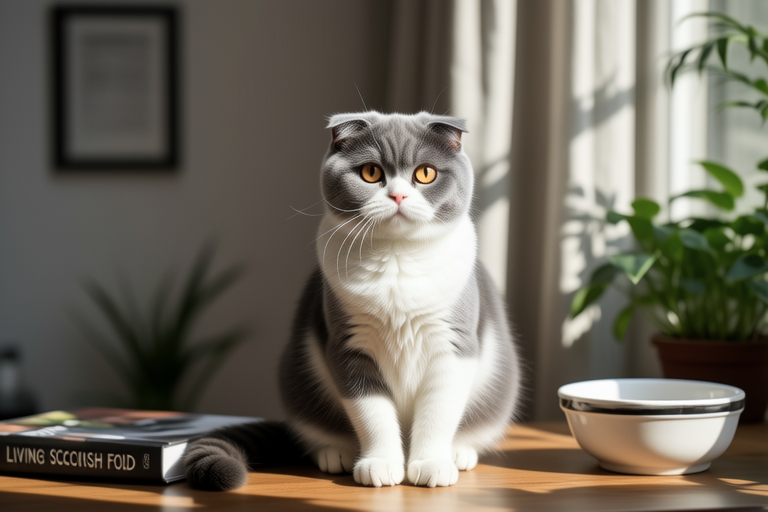
The most notable feature of the Scottish Fold is, of course, its folded ears. These are caused by a genetic mutation that affects the cartilage in the ear, causing it to fold forward and downwards. Not all kittens born to Scottish Fold parents will develop folded ears; some may have straight ears instead. The folded ears give the breed a distinctive appearance, often described as resembling an owl or a teddy bear.
In addition to their folded ears, Scottish Folds have medium-sized bodies with dense, plush coats. Their round faces and large, expressive eyes add to their endearing appearance. The breed comes in a variety of colors and patterns, from solid white to tabby and calico. Their thick fur requires regular grooming to prevent matting and keep their coat in top condition.
Temperament and Behavior
Scottish Folds are known for their calm and affectionate nature. They are generally friendly and enjoy the company of their human family members, often seeking out attention and companionship. They tend to be good-natured and patient, making them ideal for households with children or other pets.
These cats are intelligent and can be trained to perform simple tricks or respond to commands. They are also curious and playful, especially when young, but they tend to be more laid-back as they mature. While they appreciate interaction and playtime, they are equally content lounging around and observing their surroundings. Their quiet and adaptable nature makes them suitable for various living situations, from apartments to larger homes.
Dietary Needs
Like all cats, Scottish Folds require a balanced diet rich in protein, vitamins, and minerals to maintain optimal health. High-quality commercial cat food, either wet or dry, formulated specifically for cats of their age and activity level, is recommended. It’s important to consult with a veterinarian to determine the appropriate diet for your individual cat, taking into account any specific health considerations.
Scottish Folds may be prone to weight gain due to their tendency to be less active compared to other breeds. Therefore, portion control and regular feeding schedules are essential to prevent obesity. Additionally, fresh water should always be available to ensure proper hydration. Treats should be given sparingly and should not exceed 10% of the cat’s daily calorie intake.
Grooming Requirements
Scottish Folds have a double-layered coat that requires regular grooming to prevent matting and remove loose hair. Weekly brushing is usually sufficient for short-haired Scottish Folds, while long-haired varieties may need daily brushing. Using a slicker brush or a comb designed for cats can help remove tangles and distribute natural oils throughout the coat.
Bathing is generally not necessary unless the cat gets excessively dirty. Over-bathing can strip the coat of its natural oils, leading to skin problems. Instead, focus on regular grooming and spot cleaning if needed. Pay special attention to areas like the ears, paws, and underbelly, which can accumulate dirt and debris.
Trimming nails regularly is also important, as overgrown nails can cause discomfort and affect mobility. If unsure how to trim your cat’s nails, seek guidance from a professional groomer or your veterinarian.
Common Health Issues
Despite their overall good health, Scottish Folds are susceptible to certain genetic conditions due to their folded ears. One of the most significant concerns is osteochondrodysplasia (OCD), a developmental disorder affecting the bones and joints. This condition can lead to painful arthritis, particularly in the tail, legs, and spine. Early diagnosis and management through medication and lifestyle adjustments can help alleviate symptoms.
Another issue to watch for is polycystic kidney disease (PKD), a hereditary condition that causes the formation of cysts in the kidneys. Regular veterinary check-ups, including ultrasound screenings, can help detect PKD early. Managing the condition involves monitoring kidney function and adjusting the diet accordingly.
Ear infections are also more common in Scottish Folds due to the shape of their ears. Regular cleaning and inspection can help prevent infections. Signs of an ear infection include redness, discharge, or a foul odor. If you suspect an ear infection, consult your veterinarian for treatment options.
Tips for Creating a Stimulating Environment
To ensure your Scottish Fold remains mentally and physically stimulated, it’s important to create an enriching environment. Provide plenty of toys, such as interactive puzzles, balls, and feather wands, to encourage play and exercise. Rotate toys periodically to keep your cat interested and engaged.
Vertical spaces, such as cat trees, shelves, and window perches, allow your cat to explore different heights and observe their surroundings. Climbing and jumping can help maintain muscle tone and provide mental stimulation. Consider adding scratching posts or pads to give your cat an outlet for scratching and stretching.
Interactive play sessions with your cat are crucial for bonding and providing exercise. Use toys that mimic prey, such as laser pointers or fishing pole toys, to engage your cat’s hunting instincts. Aim for at least two 10-minute play sessions per day.
Social Interactions with Humans and Other Pets
Scottish Folds are highly sociable and enjoy interacting with their human family members. They typically form strong bonds with their owners and may follow them around the house, seeking attention and companionship. Spend quality time with your cat through petting, talking, and playing to strengthen your bond.
When introducing a Scottish Fold to other pets, take it slow and monitor their interactions closely. Introduce them in a neutral space and allow them to get accustomed to each other’s scent before meeting face-to-face. Supervise initial meetings and gradually increase exposure as they become comfortable. With proper introduction, Scottish Folds can coexist peacefully with other cats, dogs, and even small animals.
It’s important to note that every cat is unique, and individual personalities may vary. Some Scottish Folds may be more independent or reserved, while others are more outgoing and social. Respect your cat’s preferences and adjust your approach accordingly to ensure a harmonious relationship.
Conclusion
Living with a Scottish Fold can be a rewarding experience, thanks to their unique appearance, gentle temperament, and affectionate nature. By understanding their specific needs and providing proper care, you can ensure your Scottish Fold lives a long, healthy, and happy life. From regular grooming and a balanced diet to creating a stimulating environment and managing potential health issues, every aspect of their care contributes to their well-being. With the right knowledge and commitment, you can enjoy a wonderful companionship with your Scottish Fold.
