Life With a Scottish Fold: What Every Future Owner Needs to Know
The Unique Physical Traits of Scottish Folds
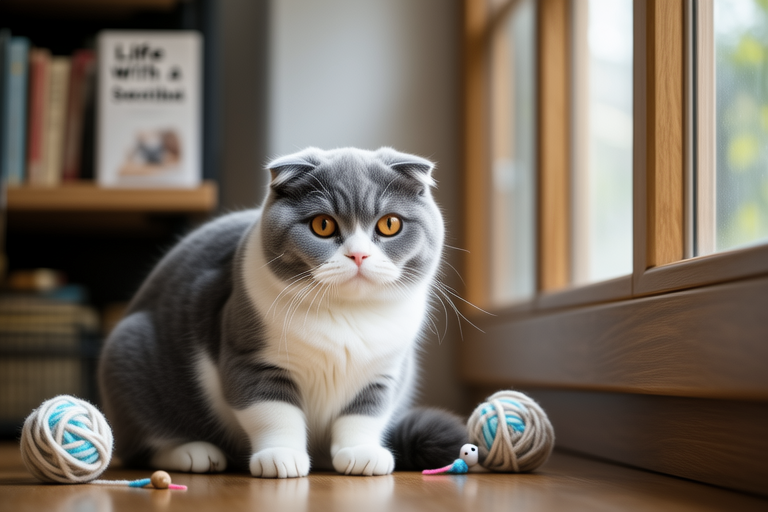
The Scottish Fold is a breed of cat known for its distinctively folded ears. These ears, which bend forward and down, give the breed its unique appearance. The fold can vary from a slight bend to a nearly double-folded ear, and it typically becomes apparent when the kitten is around three weeks old. Not all kittens born to Scottish Fold parents will have folded ears; some may inherit straight ears, a trait more common in males. The breed’s rounded head, large eyes, and compact body further contribute to its distinctive look.
Temperament and Interaction With Humans
Scottish Folds are generally friendly, adaptable, and enjoy human companionship. They tend to be calm and affectionate, often seeking out attention and interaction with their owners. Many owners describe them as ‘dog-like’ due to their tendency to follow their humans around the house and their curiosity about daily activities. They are intelligent cats that can learn tricks and respond well to positive reinforcement training. However, they also appreciate their alone time and can be quite independent, making them suitable for both busy households and quieter environments.
Grooming and Health Care Requirements
Despite their plush appearance, Scottish Folds require minimal grooming. Their short, dense coats shed seasonally, and regular brushing can help manage this. Bathing is usually unnecessary unless the cat gets particularly dirty. Regular nail trimming, dental care, and ear cleaning are essential for maintaining good health. Owners should be vigilant about checking for any signs of discomfort or unusual behavior, which could indicate underlying health issues. Visits to the veterinarian should include thorough examinations, especially of the ears, given the breed’s susceptibility to ear infections due to the shape of their ears.
Dietary Needs
A balanced diet is crucial for the health of any cat, but it’s especially important for Scottish Folds. High-quality commercial cat foods that provide complete nutrition are recommended. Owners should avoid overfeeding, as Scottish Folds can be prone to obesity. Fresh water should always be available, and it’s beneficial to introduce a variety of textures and flavors to keep meals interesting. Some owners opt for raw food diets, but it’s advisable to consult a veterinarian before making such changes.
Exercise Recommendations
While Scottish Folds are not overly active, they still need regular exercise to maintain a healthy weight and mental stimulation. Interactive toys, such as laser pointers or feather wands, can engage their hunting instincts and provide entertainment. Puzzle feeders can also encourage problem-solving and slow feeding, promoting mental engagement. Owners should ensure that their cats have access to vertical spaces like cat trees or shelves to climb and explore. Providing a stimulating environment helps prevent boredom and associated behaviors.
Common Behavioral Traits
Scottish Folds are known for their gentle and playful demeanor. They are often content to sit quietly beside their owners but can also exhibit bursts of energy. Some cats may develop obsessive behaviors, such as excessive grooming or chewing, if they become bored or stressed. Early socialization and consistent routines can help mitigate these issues. It’s important to provide a stable environment and plenty of outlets for natural behaviors, such as scratching posts and playtime.
Living Conditions Suitable for Scottish Folds
Scottish Folds can adapt to various living conditions, from small apartments to larger homes. They do best in environments that offer comfort and security. While they enjoy exploring, they also value quiet spaces where they can retreat when needed. Providing cozy nooks or designated resting areas can enhance their sense of safety. In multi-cat households, it’s important to monitor interactions and ensure each cat has its own resources, including food, water, and litter boxes.
Potential Health Issues Specific to the Breed
One of the most significant health concerns for Scottish Folds is osteochondrodysplasia (OCD), a genetic disorder affecting bone development. This condition can lead to painful joint problems, particularly in the tail, legs, and spine. Responsible breeding practices can reduce the risk of OCD, but prospective owners should inquire about the health history of the parents. Regular veterinary check-ups are crucial for early detection and management of any health issues.
Tips for Socializing Them
Early socialization is key to ensuring a well-adjusted Scottish Fold. Introducing them to different people, animals, and environments from a young age can help build confidence and reduce fear-based behaviors. Positive reinforcement during these interactions is essential. For example, rewarding calm behavior with treats or praise can teach the cat that new experiences are enjoyable. Consistency in handling and training can also help prevent aggression or anxiety later in life.
In conclusion, owning a Scottish Fold can be a rewarding experience filled with love and companionship. By understanding their unique needs and providing appropriate care, owners can ensure their feline friend leads a happy and healthy life. Whether you’re a seasoned cat owner or welcoming your first kitty, taking the time to learn about Scottish Folds will set you both up for success.
