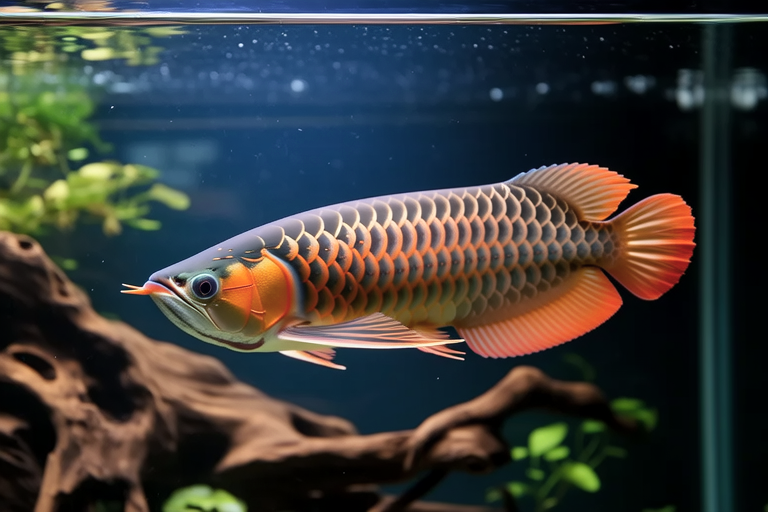
Arowana Ownership Unveiled: Care Tips for the Aquatic Enthusiast
Arowanas are among the most fascinating and majestic creatures in the aquatic world. Known for their striking appearance and unique behavior, these fish are highly sought after by aquarium enthusiasts. With their elongated bodies and vibrant colors, Arowanas are not only beautiful but also symbolize good luck in many cultures. However, their care requires a deep understanding of their specific needs and a commitment to providing an optimal environment. This guide aims to unveil the secrets of Arowana ownership, offering essential care tips that will help both novice and experienced aquarists thrive in this rewarding hobby.
Unique Characteristics of Arowanas
Arowanas possess several distinctive traits that set them apart from other freshwater fish. Their most notable feature is the ability to leap out of the water to catch prey, a behavior known as “surface predation.” This makes them particularly active and engaging to observe. Additionally, Arowanas have a long, sleek body with large scales and a forked tail, which contributes to their graceful swimming style. They come in various species, each with its own coloration and patterns, adding diversity to any aquarium.
Native Habitats and Ideal Tank Conditions
To replicate their natural environment, it’s crucial to understand where Arowanas originate from. These fish are native to tropical regions across Asia, South America, and Africa. They thrive in warm, slow-moving waters with plenty of vegetation and hiding spots. For an aquarium setting, the ideal tank size for a single adult Arowana is at least 240 gallons, though larger tanks are recommended for multiple fish or for those who wish to provide more space.
The water temperature should be maintained between 78°F and 84°F (25°C to 29°C), and pH levels should range from 6.5 to 7.5. Ammonia and nitrite levels should be kept at zero, while nitrate levels should be below 20 ppm. Regular water changes are necessary to maintain these parameters, typically 10-20% weekly. Proper filtration is essential, with mechanical and biological filtration systems working together to keep the water clean and healthy.
Feeding Guidelines
Dietary needs vary slightly depending on the species, but generally, Arowanas are carnivorous and require a high-protein diet. In the wild, they feed on insects, small fish, and crustaceans. In captivity, they can be fed a variety of live foods such as feeder fish, earthworms, and crickets. However, it’s important to balance their diet with frozen and freeze-dried alternatives to ensure they receive all necessary nutrients.
Supplementation is key to maintaining their health. Vitamin C and calcium supplements can be added to their food to support their immune system and bone structure. Feeding frequency depends on the age and size of the fish; younger Arowanas may need to be fed twice daily, whereas adults can be fed once every two days. Overfeeding should be avoided to prevent water pollution and digestive issues.
Maintaining Water Quality
Water quality is paramount for the health and longevity of Arowanas. Regular maintenance includes testing water parameters and performing water changes. Use a reliable water test kit to monitor ammonia, nitrite, nitrate, and pH levels. Water changes should be done gradually, replacing about 10-20% of the tank volume weekly.
Investing in a high-quality filtration system is also vital. The filter should be capable of handling the bioload generated by the fish and should include both mechanical and biological components. Additionally, consider using an air pump to enhance oxygen levels in the water, especially if the tank is densely stocked or has a lot of plant life.
Common Health Issues
Despite proper care, Arowanas can still encounter health issues. One of the most common problems is fin rot, which is often caused by poor water quality or physical injuries. Symptoms include frayed or discolored fins. Treatment involves improving water conditions and administering antibiotics under veterinary guidance.
Another frequent issue is parasitic infections, which can lead to lethargy, loss of appetite, and visible parasites on the fish’s body. Regular observation and prompt treatment with appropriate medications are necessary to combat these infections effectively.
Choosing Tank Mates Wisely
Compatibility is crucial when selecting tank mates for Arowanas. Due to their predatory nature, they should not be housed with smaller fish that could become prey. Larger, peaceful bottom-dwelling species like catfish or plecos can make suitable companions. It’s also advisable to avoid aggressive or territorial fish that might compete for resources or space.
When introducing new fish, ensure they are similar in size and temperament to the existing inhabitants. Gradual acclimatization is key to reducing stress and preventing conflicts. Always research potential tank mates thoroughly to ensure they share compatible environmental preferences.
Tips for Handling and Observing Arowanas
Handling Arowanas should be minimized to prevent stress and injury. When necessary, use a soft net or a fish-safe container to move them. Avoid touching them directly, as their scales can easily be damaged.
Observation is an integral part of responsible ownership. Spend time watching your Arowanas swim, eat, and interact with their environment. This not only provides enjoyment but also helps you notice any changes in behavior or health early on. Keep a journal to record observations and track the fish’s growth and well-being.
Encourage a respectful relationship with your Arowanas by appreciating their beauty and uniqueness. By doing so, you foster a deeper connection with these magnificent creatures and contribute to their overall welfare.
In conclusion, Arowana ownership is a rewarding experience that comes with significant responsibilities. By understanding their unique characteristics, replicating their natural habitat, and providing proper care, you can ensure a long and healthy life for these majestic fish. Whether you’re a beginner or an experienced aquarist, the joy of observing Arowanas in your home aquarium is unparalleled. Embrace the challenge, enjoy the journey, and celebrate the beauty of these extraordinary aquatic creatures.
