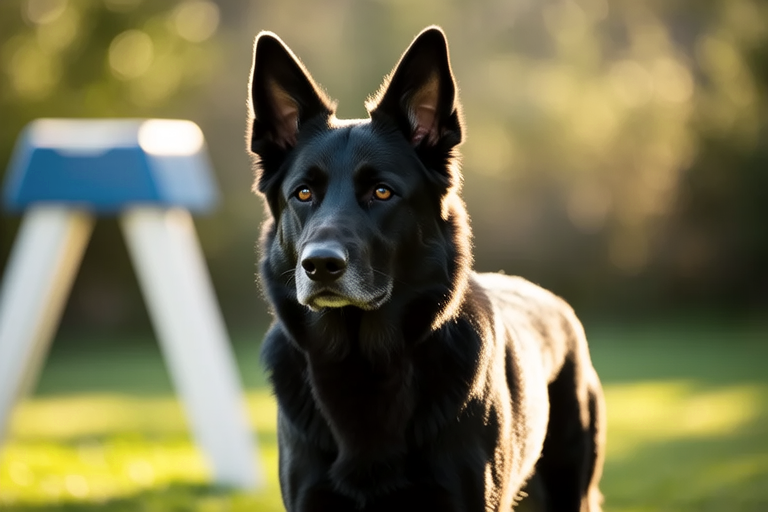
German Shepherd Intelligence: Cognitive Abilities and Mental Processes
The German Shepherd is renowned for its intelligence and versatility, making it one of the most popular dog breeds worldwide. This breed’s cognitive abilities and mental processes have been studied extensively, revealing remarkable problem-solving skills, exceptional learning capabilities, and high emotional intelligence. This article explores these aspects, providing historical context, scientific evidence, and real-world applications that demonstrate the complexity of the German Shepherd’s mind.
Historical Context and Early Recognition of German Shepherd Intelligence
The intelligence of German Shepherds has been recognized since their inception. Max von Stephanitz, the founder of the breed, emphasized the importance of intelligence in his breeding program. He believed that a dog should be capable of independent thought and action, traits that are essential for working dogs. This early focus on intelligence contributed to the breed’s reputation as one of the smartest dog breeds. Over time, this reputation has been reinforced by the breed’s success in various fields, including search and rescue, law enforcement, and therapy work.
Scientific Studies Highlighting German Shepherd Mental Acuity
Several scientific studies have demonstrated the mental acuity of German Shepherds. A study conducted by the University of Vienna found that German Shepherds could understand human gestures and follow commands with high accuracy. Another study published in the journal Animal Cognition revealed that German Shepherds could solve complex problems, such as opening a door or retrieving an object, through trial and error. These studies highlight the breed’s ability to learn and adapt quickly, which is crucial for their roles in various fields.
Problem-Solving Skills and Learning Capabilities
German Shepherds possess strong problem-solving skills and learning capabilities, which are essential for their success in various fields. They can learn new commands quickly and retain information for long periods. Their ability to think independently allows them to make decisions in challenging situations, a trait that is highly valued in search and rescue operations. For example, during a search and rescue mission, a German Shepherd may need to navigate difficult terrain and locate a missing person, all while relying on its own judgment. This capability is a testament to the breed’s intelligence and adaptability.
Emotional Intelligence and Bonding with Humans
German Shepherds also exhibit high emotional intelligence, which contributes to their success in therapy work. They are known for their ability to bond with humans and provide comfort in stressful situations. Their empathetic nature allows them to sense when someone is upset or in pain, prompting them to offer support. This emotional intelligence is particularly valuable in therapy settings, where dogs are used to help individuals cope with anxiety, depression, and other mental health issues.
Real-World Applications Showcasing German Shepherd Intellect
The intelligence of German Shepherds is evident in their performance in various fields. In search and rescue operations, they are trained to locate missing persons, survivors of natural disasters, and victims of criminal activity. Their ability to navigate difficult terrain and track scents makes them invaluable in these missions. In law enforcement, German Shepherds are often used as police dogs, assisting officers in apprehending suspects and protecting communities. Their loyalty, bravery, and intelligence make them ideal partners for law enforcement professionals. Additionally, German Shepherds are frequently used in therapy work, providing emotional support to individuals in need.
Insights from Experts in Canine Behavior and Training
Experts in canine behavior and training agree that German Shepherds are among the smartest dog breeds. Dr. Stanley Coren, a professor emeritus of psychology at the University of British Columbia and author of “The Intelligence of Dogs,” ranks German Shepherds as the third smartest breed, behind Border Collies and Poodles. According to Coren, German Shepherds can understand up to 300 words and gestures, which is impressive for any dog. Other experts, such as Patricia McConnell, a certified applied animal behaviorist, emphasize the importance of positive reinforcement training for German Shepherds. Positive reinforcement helps to build trust and strengthen the bond between dog and owner, leading to better performance in various tasks.
Comparison with Other Breeds
While German Shepherds are highly intelligent, they are not the only smart breed. Border Collies, Poodles, and Golden Retrievers are also known for their intelligence. However, German Shepherds excel in certain areas due to their unique combination of physical and mental attributes. For instance, their strength, endurance, and loyalty make them ideal for police work, while their problem-solving skills and emotional intelligence make them excellent therapy dogs. In contrast, Border Collies are often used in herding and agility competitions, and Poodles are popular in obedience trials. Each breed has its strengths, but German Shepherds stand out for their versatility and adaptability.
Ethical Responsibilities of Owners in Nurturing Intelligent Companions
Owning a German Shepherd comes with significant responsibilities. These dogs require mental stimulation, physical exercise, and proper socialization to thrive. Failure to meet these needs can lead to behavioral problems, such as aggression or destructiveness. Therefore, owners must commit to providing their German Shepherds with ample opportunities for mental and physical activity. This includes regular training sessions, playtime, and exposure to different environments. Additionally, owners should seek professional guidance if they encounter behavioral challenges. By fulfilling these responsibilities, owners can ensure that their German Shepherds live happy, healthy lives.
Conclusion
The cognitive abilities and mental processes of German Shepherds are truly remarkable. Their problem-solving skills, learning capabilities, and emotional intelligence contribute to their success in various fields, including search and rescue, law enforcement, and therapy work. Scientific studies and expert insights further validate the breed’s intelligence, while real-world applications showcase its versatility. While German Shepherds are not the only smart breed, they excel in specific areas due to their unique combination of physical and mental attributes. As owners, it is our responsibility to nurture these intelligent companions, ensuring that they receive the mental stimulation, physical exercise, and socialization they need to thrive. By doing so, we can fully appreciate the complexity of the German Shepherd’s mind and the many ways in which it enriches our lives.
