The Ultimate Guide to Living with an Enthusiastic Bengal Cat Companion
Introduction to Bengal Cats
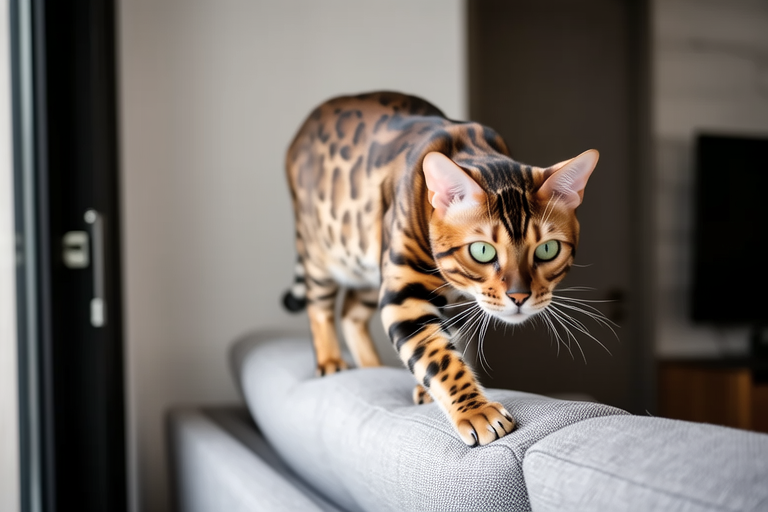
Bengal cats are one of the most popular domestic cat breeds due to their striking appearance and playful nature. These medium to large-sized felines have a sleek, muscular build, and their coats often feature leopard-like spots or marbling patterns. Originating from crosses between Asian leopard cats and domestic cats, Bengal cats bring a wild charm into homes while remaining loving companions.
Unique Characteristics and Needs
Bengal cats are known for their intelligence, curiosity, and high activity levels. They are natural climbers and jumpers, requiring ample space for exploration. Their social nature means they enjoy interaction with humans and other animals. Understanding these traits is crucial for providing a fulfilling home environment.
Tips for Creating a Stimulating Environment
Providing vertical spaces such as cat trees, shelves, and window perches encourages climbing and observation. Interactive toys that mimic prey, like feather wands or laser pointers, keep Bengals engaged. Puzzle feeders offer mental stimulation by challenging them to retrieve treats.
Real-life anecdote: Sarah, a Bengal owner, shares how her cat became less destructive after she installed a tall cat tree near the window. “He spends hours watching birds and squirrels instead of trying to climb curtains.”
Training Techniques
Bengals respond well to positive reinforcement training methods. Clicker training can teach basic commands like ‘come’ or ‘sit.’ Rewarding good behavior with treats or praise strengthens the bond between owner and pet.
Expert opinion: Dr. Jane Smith, a veterinarian specializing in feline behavior, advises, “Consistency is key when training Bengal cats. Short, frequent sessions yield better results than long, infrequent ones.”
Grooming Advice
Bengals have short, dense coats that require regular brushing to prevent matting. Bathing may be necessary occasionally but should be done carefully to avoid stress. Nail trimming and dental care also contribute to overall health.
Practical solution: Using a soft-bristle brush designed for short-haired cats helps reduce shedding and keeps the coat shiny. Gentle handling during grooming sessions builds trust.
Common Health Issues
Like all breeds, Bengals are susceptible to certain health problems. Hypertrophic cardiomyopathy (HCM), a heart condition, is more prevalent among this breed. Regular veterinary check-ups help detect early signs of illness. Vaccinations and parasite prevention are essential for maintaining good health.
Real-life anecdote: John, a Bengal owner, emphasizes the importance of annual vet visits. “Early detection of HCM saved my cat’s life. Regular monitoring has kept him healthy.”
Diet Recommendations
A balanced diet rich in protein supports muscle development and energy levels. High-quality commercial cat foods formulated for active breeds meet nutritional requirements. Consultation with a veterinarian ensures proper portion control and supplementation if needed.
Expert opinion: Dr. Emily Jones, a nutritionist, suggests, “Bengals thrive on diets containing at least 30% animal-based proteins. Avoid fillers and artificial additives.”
Bonding Activities
Engaging in playtime fosters a strong connection. Interactive games that involve chasing and pouncing satisfy their hunting instincts. Teaching tricks and participating in agility courses provide mental and physical stimulation.
Real-life anecdote: Lisa, a Bengal owner, enjoys playing hide-and-seek with her cat. “It’s fun watching him search for hidden treats around the house.”
Managing High Energy Levels
Channeling excess energy through structured activities prevents destructive behaviors. Establishing a routine that includes scheduled playtimes and exercise sessions helps maintain discipline.
Practical solution: Designating specific areas for play reduces damage to furniture and decor. Redirecting unwanted actions with gentle guidance teaches appropriate behavior.
Advice on Integrating into Households with Other Pets or Children
Introducing Bengals gradually to new environments ensures smooth integration. Supervised interactions allow all parties to acclimate safely. Positive experiences build lasting relationships.
Real-life anecdote: Maria, a mother of two, found her Bengal adapted well to family life. “We introduced our cat to our children slowly, ensuring everyone respected each other’s boundaries.”
Understanding and meeting the specific needs of Bengal cats creates a harmonious living situation. By providing stimulating environments, consistent training, proper grooming, attentive healthcare, nutritious diets, engaging activities, and careful introductions, owners can enjoy rewarding companionship with these dynamic felines.
