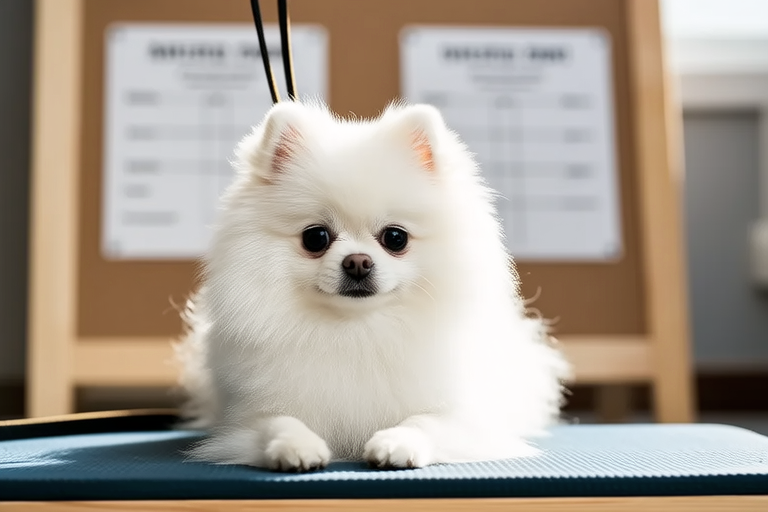
Training Tips and Tricks Every Pomeranian Owner Needs to Know
Welcome to your ultimate guide on training your Pomeranian! Whether you’re a first-time owner or have years of experience, this article will provide you with all the essential information to help you and your furry friend grow together. From understanding the unique needs of Pomeranians to mastering the art of positive reinforcement, we’ve got you covered.
Understanding Your Pomeranian
Pomeranians are a breed that is both intelligent and independent, which can make training them both rewarding and challenging. They are small dogs, usually weighing between 3 to 7 pounds, making them perfect for apartment living. However, their small size can sometimes lead to big challenges if not properly managed.
Essential Training Methods Specific to Pomeranians
Training a Pomeranian requires patience, consistency, and a good understanding of how they think. Start by establishing yourself as the leader of the pack. Use treats and praise to reward desired behaviors and ignore unwanted ones. This method helps reinforce good behavior while discouraging bad habits.
Common Behavioral Issues and Solutions
Like any breed, Pomeranians can develop certain behavioral issues if not trained correctly. Some common problems include excessive barking, chewing, and aggression towards other dogs. To address these issues:
- Barking: Teach your Pomeranian the ‘quiet’ command. When they bark, say ‘quiet’ and wait until they stop. Reward them with a treat once they comply.
- Chewing: Provide appropriate chew toys and redirect them when they start chewing on something they shouldn’t.
- Aggression: Socialize your Pomeranian early and often. Introduce them to different people, animals, and environments to build confidence and reduce fear-based aggression.
Positive Reinforcement Techniques
Positive reinforcement is key to successful training. It involves rewarding your Pomeranian for good behavior, which encourages them to repeat it. Rewards can be in the form of treats, praise, or playtime. Always ensure the reward is immediate and consistent.
Basic Commands Every Pomeranian Should Learn
Here are some basic commands that every Pomeranian should know:
- Sit: Hold a treat above their nose and slowly move it back over their head. As they look up, their bottom should naturally lower to the ground. Once they sit, give them the treat and praise.
- Stay: Have your Pomeranian sit, then extend one hand palm out in front of them while saying ‘stay’. Take a step back and if they stay, reward them. Gradually increase the distance and time.
- Down: Encourage your Pomeranian to lie down by holding a treat in your closed hand and lowering it to the ground. As they follow the treat, their body should naturally lower into a down position. Reward them when they comply.
- Leave it: Place a treat in your hand and close your fist. If your Pomeranian tries to get it, say ‘leave it’. Once they stop trying, open your hand and give them another treat from your other pocket as a reward.
Tips for Socializing Young Pomeranians
Socialization is crucial for Pomeranians, especially during their puppyhood. Expose them to various stimuli such as different people, animals, sounds, and environments. This helps prevent fear and aggression later in life. Puppy classes are an excellent place to start. They provide a controlled environment where your Pomeranian can interact with other dogs and humans under the guidance of a professional trainer.
Advice on Managing Small Dog Syndrome
Small dog syndrome occurs when a small dog believes they are in charge of their household. This can result in behaviors like nipping, jumping, and demanding attention. To manage this:
- Establish clear rules and boundaries from the beginning.
- Ignore unwanted behaviors and reward good ones.
- Provide enough mental and physical stimulation to prevent boredom and frustration.
Exercise Routines Suitable for Their Size
Pomeranians may be small, but they still need regular exercise to maintain their health and happiness. Daily walks are essential, but don’t forget about interactive play sessions at home. Hide-and-seek games or fetch are great ways to burn off energy. Swimming can also be a fun option, but always supervise them in water.
Dietary Considerations Affecting Training Success
A balanced diet is vital for your Pomeranian’s overall well-being and can influence their training success. Ensure they receive proper nutrition through high-quality dog food. Avoid feeding them table scraps or human foods that could upset their stomach or cause obesity. Obesity can lead to joint problems and shorten their lifespan, so maintaining a healthy weight is crucial.
Conclusion
Training your Pomeranian is a journey that requires dedication, patience, and love. By following these tips and tricks, you’ll be well on your way to having a well-behaved, happy, and healthy companion. Remember, each Pomeranian is unique, so adapt your training methods to suit their individual needs. Enjoy the process and cherish the bond you’ll create with your little buddy.
