Beyond the Bubble: Innovative Ways to Keep Your Betta Happy and Healthy
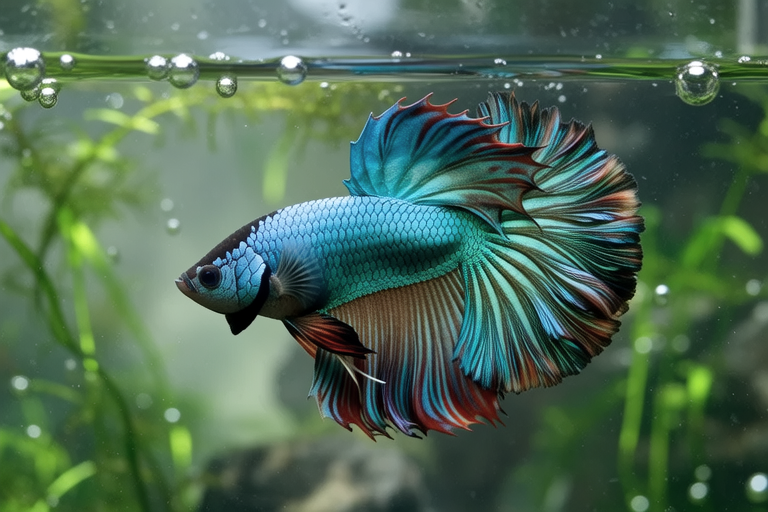
Known for their vibrant colors and flowing fins, bettas (Betta splendens) are one of the most popular fish species among aquarium enthusiasts. Often sold in small containers at pet stores, these resilient fish are frequently misunderstood. Many people assume that because they can breathe air through a labyrinth organ, they don’t need much space or specialized care. However, beyond their ability to survive in less-than-ideal conditions, bettas thrive when provided with a well-maintained tank, a stimulating environment, and a balanced diet.
The Basics: Water Quality, Temperature, and Filtration
Water quality is paramount for any aquatic creature, and bettas are no exception. They require clean, oxygen-rich water to thrive. The ideal pH range for bettas is between 6.8 and 7.2, with a hardness level of 5 to 19 dGH. Regular water changes, typically around 20% weekly, help maintain this balance. A water conditioner that removes chlorine and chloramine from tap water is essential.
Temperature plays a crucial role in betta health. Bettas are tropical fish, so they prefer water temperatures between 76°F and 82°F (24°C to 28°C). Fluctuations in temperature can cause stress, leading to weakened immune systems and increased susceptibility to diseases. Using a reliable aquarium heater is vital to maintain consistent warmth.
Filtration is another key component of a healthy betta habitat. Contrary to popular belief, bettas do benefit from gentle filtration. A filter helps remove waste, excess food, and other harmful substances, ensuring the water remains clear and free of toxins. Opt for a filter that provides low flow, as bettas are sensitive to strong currents.
Enriching the Tank Environment
To create a stimulating and enriching environment, incorporate live or artificial plants into the tank. Hornwort, java moss, and anubias are excellent choices for providing cover and reducing stress. These plants also aid in oxygen production and help maintain water quality.
Hiding spots are essential for bettas, who are naturally shy and territorial. Provide caves, driftwood, or flowerpots that offer shelter. Decorative elements like castles or bridges can serve dual purposes, adding aesthetic appeal while offering hiding spaces.
Innovative decoration ideas include creating a ‘bubble wall’ using a bubble wand or installing a DIY light display. These additions not only beautify the tank but also engage the betta’s curiosity and encourage exploration. Avoid overcrowding the tank with too many decorations, ensuring ample swimming space remains available.
Innovative Feeding Techniques and Food Options
Feeding bettas can be more than just a routine task; it can be an opportunity to enhance their nutrition and mental stimulation. High-quality betta pellets are the cornerstone of their diet, but variety is key. Incorporate frozen or freeze-dried foods such as bloodworms, brine shrimp, and daphnia to provide essential nutrients.
Interactive feeding methods, like using feeding rings or target sticks, can turn mealtime into a fun activity. These tools encourage the betta to swim and interact, promoting physical exercise and mental engagement. Additionally, hand-feeding can strengthen the bond between owner and fish, though it should be done carefully to avoid overfeeding.
Dispelling Common Myths About Betta Care
One common myth is that bettas can live happily in small containers or bowls without proper filtration. This is false. While bettas can survive in small spaces, they do best in tanks equipped with filtration, heaters, and adequate space. Another misconception is that bettas are solitary creatures and cannot coexist with other fish. In reality, bettas can cohabit with certain species, provided the tank is spacious and well-planted.
It’s also important to debunk the idea that bettas require salt in their water. Salt can disrupt the osmotic balance of the fish, potentially causing harm. Instead, focus on maintaining optimal water parameters and providing a healthy diet.
Maintenance and Observation Tips
Maintaining a regular routine for tank maintenance is crucial for betta health. Weekly water changes, cleaning of filters, and monitoring equipment ensure a stable environment. Additionally, observe your betta regularly for signs of stress or illness. Lethargy, loss of appetite, frayed fins, or unusual behavior may indicate underlying issues. Early intervention can prevent minor problems from escalating into serious health concerns.
Creating a thriving environment for your betta involves more than just providing basic care. By understanding and addressing their specific needs, you can ensure your betta leads a long, healthy, and happy life. Embrace innovation in tank setup, feeding techniques, and environmental enrichment to keep your betta stimulated and content. With the right knowledge and dedication, you’ll have a beautiful and lively companion that brings joy to your home.
