Inside the Life of a Siamese Cat Owner: Tips and Tricks
Introduction: A Unique Companion
Welcome to the fascinating world of Siamese cats! Known for their striking blue almond-shaped eyes, sleek coats, and distinctive vocalizations, these felines have been captivating cat lovers for centuries. Originating from Thailand (formerly Siam), Siamese cats are not only beautiful but also incredibly intelligent and social. Their unique traits make them stand out as one of the most popular cat breeds today. Owning a Siamese cat is a rewarding experience, but it also comes with its own set of challenges. This guide will provide you with essential tips and tricks to help you navigate the joys and responsibilities of being a Siamese cat owner.
Daily Care Routines
Maintaining a consistent daily routine is crucial for the well-being of your Siamese cat. These active and playful creatures thrive on structure and predictability. Begin each day with a morning cuddle session to strengthen your bond and ensure your cat feels loved. Follow this with feeding time, ideally at the same hour every day. Siamese cats are known for their curious nature, so consider placing food in puzzle toys to stimulate their minds while they eat.
Siamese cats are also very clean, so regular litter box maintenance is important. Aim to scoop the litter box once or twice daily and change the entire contents weekly. This helps keep your home smelling fresh and ensures your cat’s health.
Dietary Needs
Feeding a Siamese cat requires attention to detail. These cats are generally small to medium-sized, so they don’t need large quantities of food. However, they are prone to obesity if overfed, so portion control is key. High-quality dry kibble and wet food are suitable options. Look for products that are high in protein and low in carbohydrates. Consult with your veterinarian to determine the appropriate amount of food based on your cat’s age, weight, and activity level.
Siamese cats can be finicky eaters, so variety in their diet is important. Introduce different flavors and textures gradually to prevent food aversion. Always provide fresh water, and consider investing in a pet fountain to encourage drinking.
Common Health Issues
Siamese cats are generally healthy, but they are predisposed to certain conditions. Hypertrophic cardiomyopathy (HCM) is one of the most common heart diseases in cats, and Siamese are particularly susceptible. Regular veterinary check-ups, including heart screenings, are recommended to catch any potential issues early.
Another concern is dental disease. Siamese cats often have smaller mouths, which can lead to overcrowded teeth and increased tartar buildup. Brushing your cat’s teeth regularly and providing dental treats can help maintain oral hygiene. Additionally, Siamese cats may develop respiratory problems due to their flattened faces. Keep their environment free of dust and allergens, and monitor them closely for signs of difficulty breathing.
Behavioral Quirks
Siamese cats are known for their talkative personalities. They love to communicate with their owners through chirping, meowing, and even trilling. While this can be endearing, it can also become overwhelming if not managed properly. Engage with your cat by responding to their vocalizations and providing interactive toys to redirect their energy.
Siamese cats are also highly social and enjoy being involved in family activities. They often form strong bonds with their owners and can become distressed if left alone for long periods. Consider getting another Siamese cat or a compatible breed as a companion if you’re away frequently.
Training Tips
Training your Siamese cat can be a fun and rewarding experience. Positive reinforcement is key, as these cats respond well to praise and treats. Teach basic commands like ‘sit’ or ‘come’ using clicker training or a treat-based system. Consistency is important; practice short sessions several times a day.
Teaching your cat to use a scratching post is crucial for maintaining their claws and preventing damage to furniture. Place the post near areas where your cat likes to scratch, and sprinkle catnip on it to entice them. Reward them with treats when they use the post instead of your couch.
Grooming Essentials
Siamese cats have short, fine coats that require minimal grooming. However, regular brushing still helps remove loose hair and distribute natural oils. Use a soft-bristled brush or a grooming glove to gently stroke your cat’s coat. Bathing is rarely necessary unless your cat gets into something messy, but always use a cat-specific shampoo.
Nail trimming is another important grooming task. Invest in a pair of cat nail clippers and trim the nails every few weeks. Be gentle and reward your cat with treats to make the experience positive.
Mental Stimulation
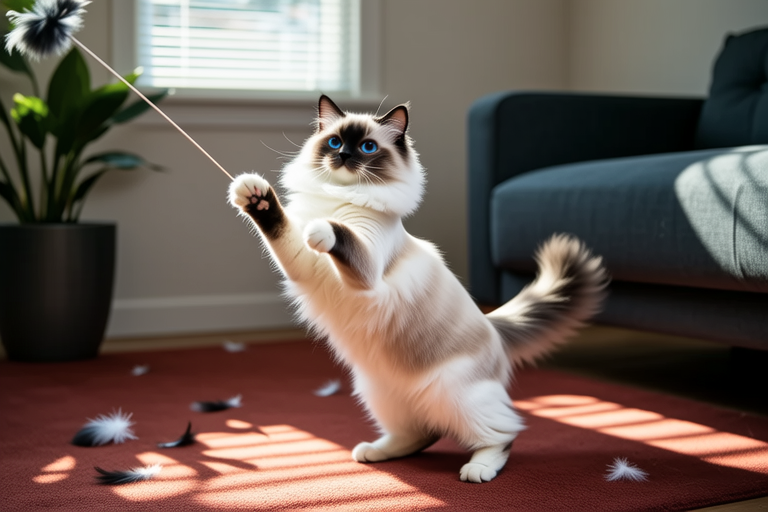
Siamese cats are highly intelligent and need plenty of mental stimulation to stay happy and healthy. Provide a variety of toys that challenge their problem-solving skills, such as puzzle feeders, interactive balls, and feather wands. Rotate toys regularly to prevent boredom.
Interactive playtime is essential for bonding and exercise. Spend at least 15 minutes each day playing with your Siamese cat. Use toys that mimic prey, like feather wands or laser pointers, to engage their hunting instincts.
Building a Strong Bond
The emotional needs of Siamese cats are significant. They thrive on companionship and affection, so make sure to spend quality time with your cat every day. Establish a routine that includes cuddling, petting, and talking to your cat. Siamese cats can sense your emotions, so showing them love and attention will deepen your bond.
Understanding and addressing your Siamese cat’s emotional needs is vital. If you notice changes in behavior, such as increased aggression or withdrawal, consult with your veterinarian to rule out any underlying health issues. Sometimes, simply providing more interaction and mental stimulation can resolve behavioral concerns.
